
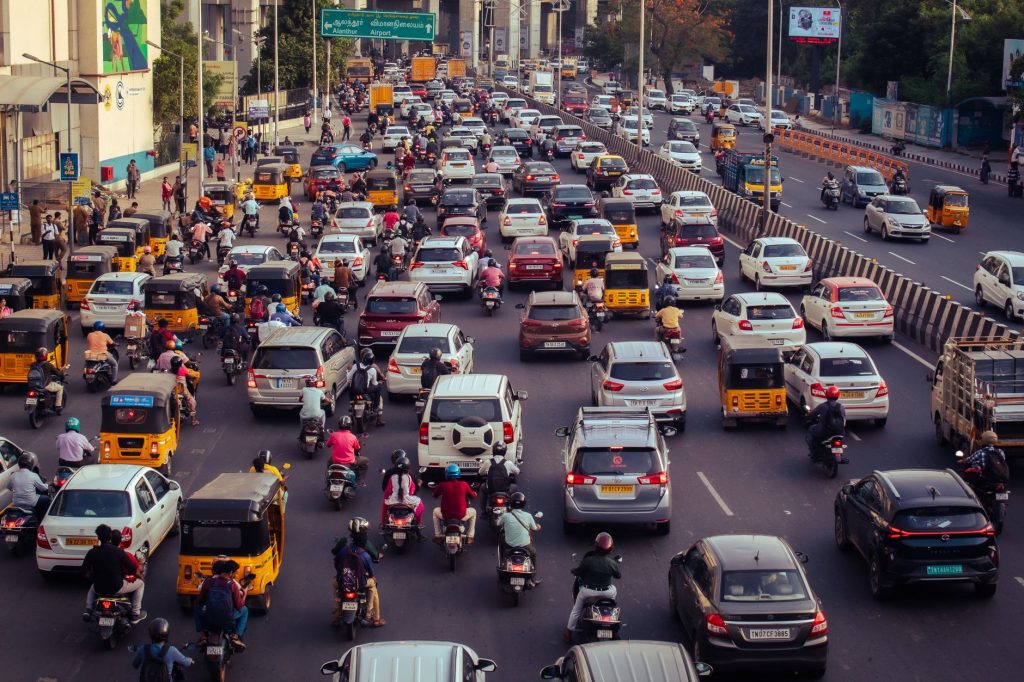
Imagine a city designed to be a model of perfect planning, yet its residents are stuck in a never-ending traffic nightmare! That’s the surprising reality in Chandigarh, a city often praised for its modern layout. Despite being built with wide roads and open spaces, getting around has become a frustrating daily challenge for thousands of people.
Why is Travel So Tough in a Planned City?
Chandigarh was conceived as a beautiful, organized city, a dream for many. But over the years, the number of vehicles on its roads has exploded. The city’s infrastructure, which seemed so spacious decades ago, is now struggling to cope with the sheer volume of cars, scooters, and other vehicles. This mismatch between the original design and the current reality is the main reason behind the constant traffic jams that plague the city.
The Daily Struggle for Commuters
For the common man in Chandigarh, the daily commute is a test of patience. What should be a short drive often turns into a long, stressful journey. People are spending more time stuck in traffic than they do with their families or pursuing their hobbies. This isn’t just about inconvenience; it affects productivity, adds to air pollution, and impacts the overall quality of life for everyone living there.
What Does This Mean for Us?
Chandigarh’s traffic woes are a wake-up call for many Indian cities. It shows that even the best-laid plans can falter if they don’t adapt to changing times and growing populations. As our cities continue to grow, we need smarter solutions. This means investing in better public transport, encouraging carpooling, and perhaps even rethinking how we design our urban spaces to handle the future. The Chandigarh story reminds us that while planning is important, flexibility and continuous improvement are key to ensuring our cities remain livable and efficient for all of us.