
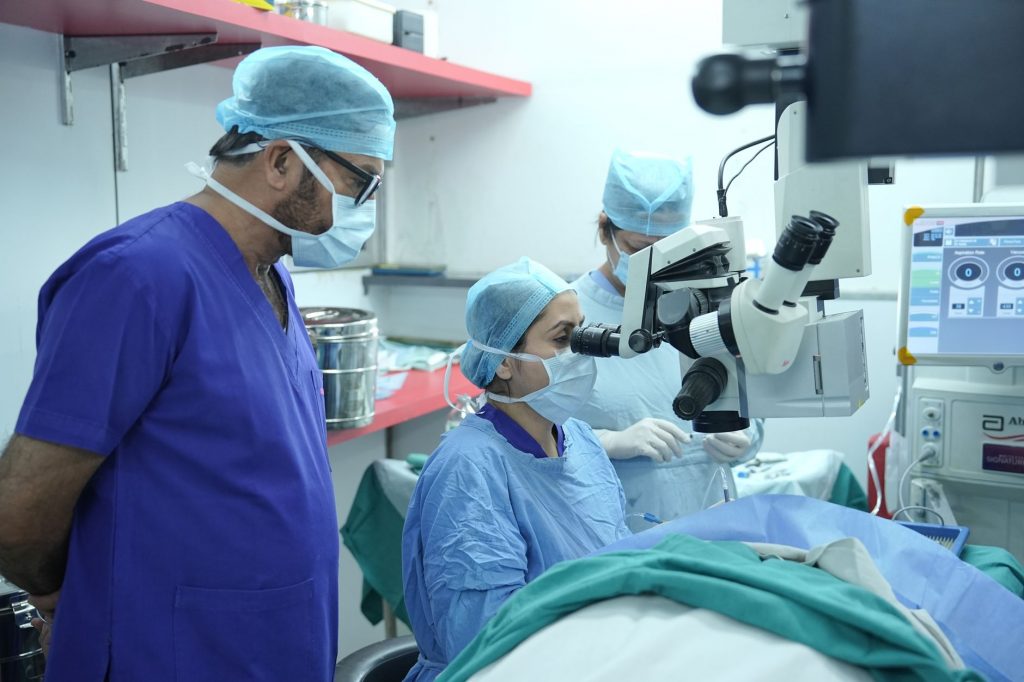
Is Delhi’s premier AIIMS hospital struggling to cope with the sheer number of patients? The short answer is yes, and it’s a situation that’s impacting everyone seeking care there.
Reports indicate that the All India Institute of Medical Sciences (AIIMS) in Delhi is currently handling an astonishing 15,000 patients every single day. This massive influx means that while the hospital is doing its best to serve everyone, some patients are facing longer-than-usual waits for appointments and treatments. It’s a testament to the dedication of the healthcare staff that they are managing such a high volume, but the strain on resources and personnel is undeniable.
Why So Many Patients?
So, what’s behind this surge in patient numbers? Several factors could be at play. Delhi, being the capital, is a hub for specialized medical care, attracting patients from across the country who seek the advanced facilities and expertise AIIMS offers. Additionally, ongoing health challenges and the general healthcare needs of a densely populated city like Delhi naturally lead to a high demand for services. The hospital is a beacon of hope for many, and its reputation for quality care means more and more people are turning to it.
The Impact of Overcrowding
The consequence of this overwhelming demand is a noticeable strain on the hospital’s infrastructure and staff. Doctors and nurses are working tirelessly, but the sheer volume of patients means that sometimes, getting an immediate appointment or seeing a specialist quickly can be difficult. This can lead to extended waiting periods for certain departments and procedures. While AIIMS is committed to providing the best possible care, the current capacity is being stretched to its limits, affecting the patient experience for some.
This situation highlights the critical need for enhanced healthcare infrastructure and perhaps better distribution of specialized medical services across the country. For patients in Delhi and beyond, understanding these challenges is important. While AIIMS continues to be a vital healthcare provider, the current strain means planning ahead for appointments and being patient are key when seeking treatment there. The long-term solution likely involves expanding capacity and strengthening other medical facilities to share the load.