
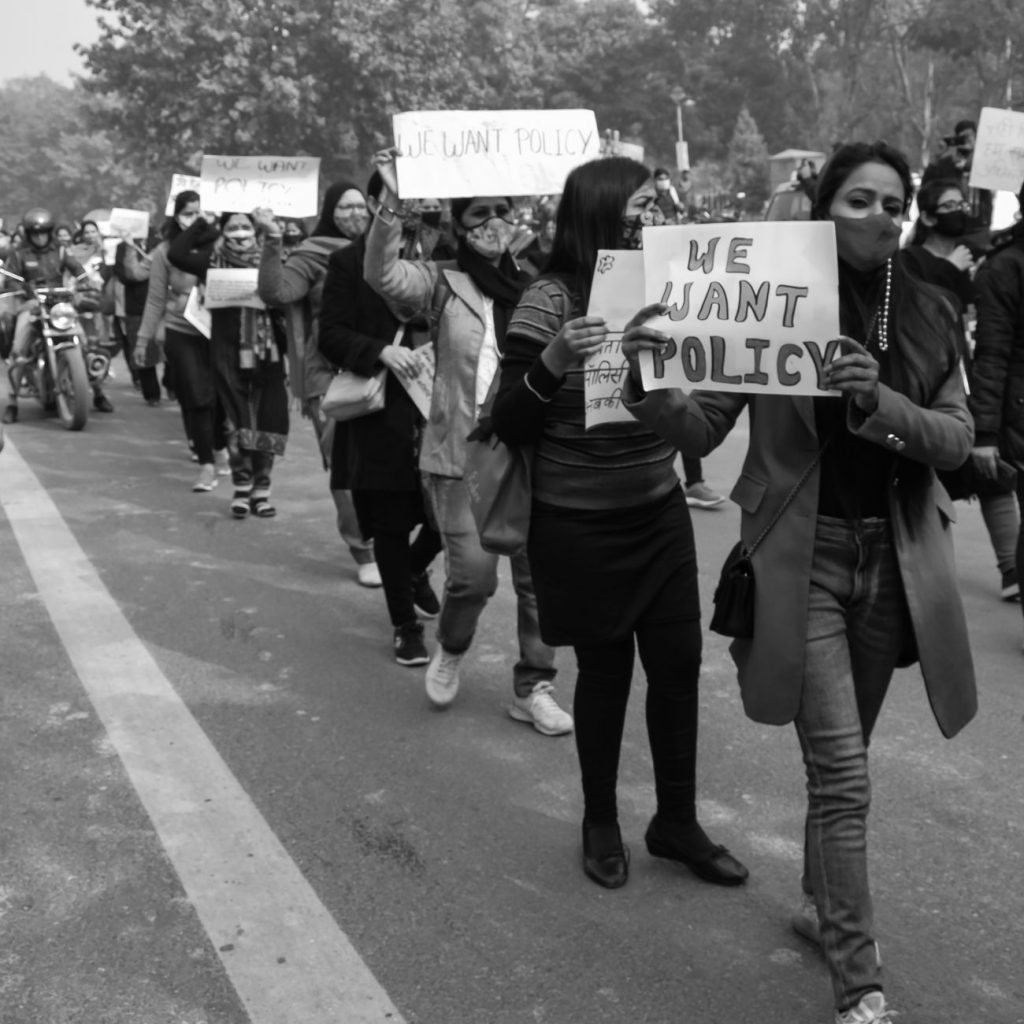
Imagine this: you’re all set for a public address by your Chief Minister, a chance to hear about development plans and perhaps air your grievances. Suddenly, the atmosphere shifts. Instead of cheers, you hear shouts of protest, and the sight of black flags waving defiantly cuts through the usual fanfare. This is precisely what unfolded recently when Punjab Chief Minister Bhagwant Mann’s public event became the stage for a vociferous black flag protest, igniting a political storm.
Protestors Erupt Amidst CM’s Speech
The incident, which took place during an official engagement, saw a group of protestors raising black flags and chanting slogans against the Aam Aadmi Party government. The visual of black flags, a traditional symbol of dissent in India, immediately signaled strong disapproval. While the exact nature of the protestors’ grievances remains a subject of discussion, the disruption clearly overshadowed the intended purpose of the Chief Minister’s visit, creating an uncomfortable situation for the administration and attendees alike.
Majithia Launches Scathing Attack
Unsurprisingly, the political fallout was swift and sharp. Shiromani Akali Dal leader Bikram Singh Majithia wasted no time in condemning the incident and launching a fierce attack on the AAP government. Majithia, a prominent opposition figure, accused the ruling party of failing to address the concerns of the people, thereby fostering such widespread discontent. He argued that the black flag protests were a direct reflection of the public’s growing dissatisfaction with the Mann-led administration’s policies and performance.
Political Undercurrents and Public Sentiment
This confrontation highlights the volatile political landscape in Punjab, where public sentiment can quickly translate into visible acts of protest. The black flag demonstration serves as a stark reminder that even elected officials are accountable to the electorate, and dissent, however disruptive, is a fundamental aspect of a democratic society. Political analysts suggest that such incidents often stem from unaddressed local issues, perceived governance failures, or a general feeling of neglect among certain sections of the population. The AAP government now faces the challenge of not only responding to the immediate criticism but also understanding and addressing the underlying causes of public anger to prevent future occurrences.
What Happens Next?
The row is expected to intensify in the coming days, with opposition parties likely to capitalize on the incident. The Punjab government, on its part, will need to carefully navigate the situation, perhaps by engaging with the protestors or by undertaking measures to showcase its responsiveness to public concerns. The long-term implication lies in how effectively the AAP government can regain public trust and demonstrate its commitment to addressing the issues that fuel such strong dissent, ensuring that future public events are met with constructive engagement rather than outright protest.