
Ever faced that frustrating moment when your online order is *just* about to reach you, but then it gets stuck somewhere, taking ages to finally land at your doorstep? Yeah, we’ve all been there! That same delay and hassle is a daily headache for businesses across India, especially when it comes to getting goods from big ports or warehouses to smaller towns and villages. This is what we call the ‘last-mile’ challenge, and it’s a big, expensive problem. But what if I told you the answer might be flowing right under our noses – literally, in our rivers and canals?
The River Route: A New Hope for Delivery?
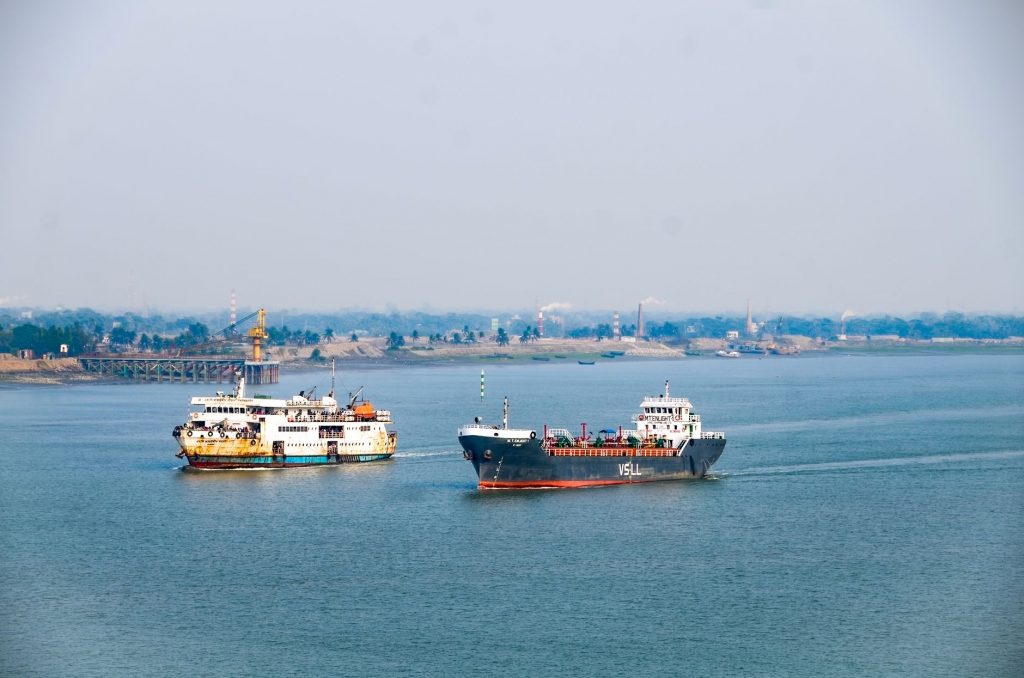
India is blessed with a massive network of rivers, lakes, and backwaters. For ages, these waterways were our highways. Now, the government is looking to bring them back in a big way, not just for travel, but for transporting tons and tons of goods. Imagine cargo ships, much bigger than trucks, gliding smoothly along these water routes, carrying everything from raw materials to finished products. This could drastically cut down on the time and cost associated with moving goods, especially to places that are hard to reach by road or rail.
Tackling the ‘Last Mile’ with Water Power
The real magic happens when we think about how these waterways can help solve that tricky ‘last mile’ problem. While big ships can handle the long hauls, smaller boats and barges can then take over, navigating narrower channels and reaching more remote areas. This ‘feeder’ system, connecting the main waterway network to local destinations, is where the real potential lies. It’s like having a superhighway for long distances and then a network of local roads for the final leg, but all powered by water!
Expert Views: Is it a Smooth Sail Ahead?
Logistics experts are buzzing about this. They point out that water transport is not only more fuel-efficient and eco-friendly than road or air, but it can also carry much larger volumes of cargo at a lower cost per tonne-kilometre. However, it’s not all smooth sailing. Significant investment is needed to develop and maintain these waterways, build modern terminals, and integrate them seamlessly with other transport modes. The challenge is to make this system efficient and reliable enough to truly compete with existing methods.
The push for waterways is part of a larger vision to make India a global manufacturing and logistics hub. If successful, it could mean faster deliveries for all of us, lower prices for goods, and a greener way to move things around. It’s a bold idea, and the next few years will be crucial in seeing if India’s rivers can truly become the arteries of its commerce.