
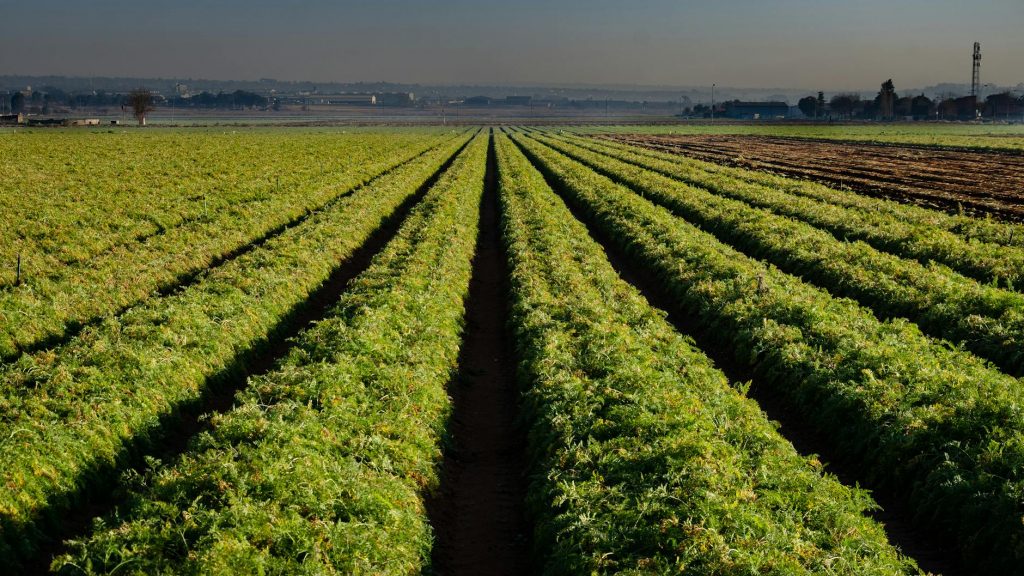
India’s farming sector is at a crossroads. Experts gathering in Chandigarh have made it clear: stick with the same old methods, and farmers will keep struggling. The answer? Diversification and sustainable practices that work with nature, not against it.
The agriculture research community has sounded the alarm for years. Monoculture farming—growing the same crop repeatedly on the same land—has drained soil fertility across Punjab, Haryana, and other major agricultural regions. Water tables are dropping. Pest resistance is rising. Farmer incomes aren’t matching inflation.
Why the Old Model Is Breaking Down
For decades, the green revolution worked wonders. More fertilizers, more irrigation, higher yields. But that strategy has hit its limits. The soil needs nutrients it’s not getting. Groundwater is disappearing faster than it’s being replenished. And climate change is throwing unpredictable weather at farmers who planned their seasons based on historical patterns that no longer apply.
Young farmers especially are walking away. When your family has farmed for generations but you’re barely breaking even, the economics don’t add up. Urban migration of rural youth has accelerated precisely because traditional farming feels like a losing battle.
What Diversification Actually Means
This isn’t about abandoning agriculture. It’s about smarter farming. Growing multiple crops in rotation. Adding livestock or dairy operations. Setting up small-scale processing units to capture more profit from what you produce. Some farmers are experimenting with organic methods, horticulture, or even mushroom cultivation alongside cereals.
Sustainable practices mean drip irrigation instead of flooding fields. Composting instead of chemical fertilizers alone. Crop rotation that keeps soil alive for the next generation. These changes don’t happen overnight, but farmers who’ve switched report lower input costs and healthier soil within a few years.
The government has schemes—insurance, subsidies, training programs—but awareness remains patchy, especially in villages. Experts say the knowledge gap between research institutions and farming communities is still too wide.
Why This Matters for India Right Now
India feeds 1.4 billion people. Our agricultural productivity affects food prices, rural employment, and rural-to-urban migration patterns. If farms fail, villages empty out faster. Cities struggle with overcrowding and unemployment.
But there’s opportunity here too. Farmers who diversify aren’t just surviving—they’re earning better margins. Markets for organic produce, specialty crops, and farm-processed goods are growing. Young farmers with some education are launching agri-startups in their villages instead of leaving.
The real challenge? Getting this knowledge to farming families systematically. Most farmers still rely on neighbors’ advice rather than scientific research. Extension services need better funding and reach.
India’s agricultural future won’t look like the past. The experts meeting in Chandigarh are essentially saying: evolve now, or face bigger problems later. The farms that adapt will thrive. Those that don’t risk becoming unviable within a generation.