
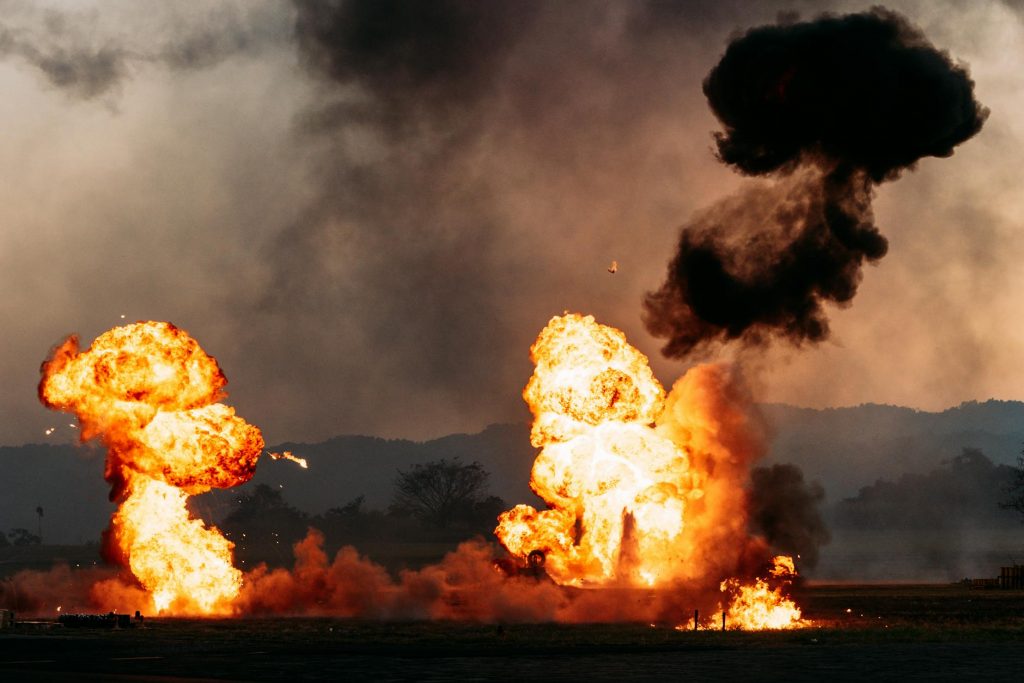
Picture this — a blast rocks your city, and instead of everyone working together, politicians start playing the blame game. That’s exactly what happened in Chandigarh recently, and it’s turned into a full-blown political slugfest.
Punjab Chief Minister Bhagwant Mann has openly blamed the Union Territory Centre for the blast, saying they failed in their responsibility to keep the city safe. He’s claiming poor coordination and inadequate security measures allowed the incident to happen.
The BJP, meanwhile, isn’t having any of it. They’ve hit back hard at Mann, saying his accusations are just political theatre. They’re pointing out that as CM, Mann should be focusing on actual solutions instead of deflecting blame onto the Centre.
The Cascading Effect Nobody Wanted
Here’s where it gets messy. When both sides start accusing each other, it creates a cascading effect that just keeps the controversy alive. Instead of focusing on investigation and prevention, everyone’s caught up in the he-said-she-said cycle.
This kind of political blame game is actually super common in India when something goes wrong. One side says the other didn’t do their job, the other side says they’re being scapegoated, and meanwhile, actual progress on fixing the problem gets pushed to the background.
What makes this particularly tricky is the jurisdiction question. Chandigarh is a Union Territory, which means both the UT administration and the Centre have roles to play in security. When something goes wrong, pointing fingers becomes easier than finding solutions.
Why This Matters Beyond Headlines
Look, security lapses are serious business. If there genuinely were gaps in how the blast was prevented, that needs urgent fixing — not political point-scoring. Citizens deserve to know what actually happened and what’s being done so it doesn’t happen again.
Mann’s pointing to the Centre’s responsibility might have merit — after all, certain security operations do fall under central agencies. But just making accusations without concrete evidence or solutions doesn’t help anyone.
The BJP’s counter-argument about focusing on actual work rather than theatre is fair too. But they should also be transparent about what role the Centre played and what they’re doing differently now.
What we really need here is both sides putting aside the political drama and getting serious about investigation, accountability, and concrete preventive measures. A blast affects real people — residents, families, businesses.
As this blame game continues to play out, the real question is whether Chandigarh’s security will actually improve or if this will just become another story that fades from headlines while the actual problems remain unresolved.