
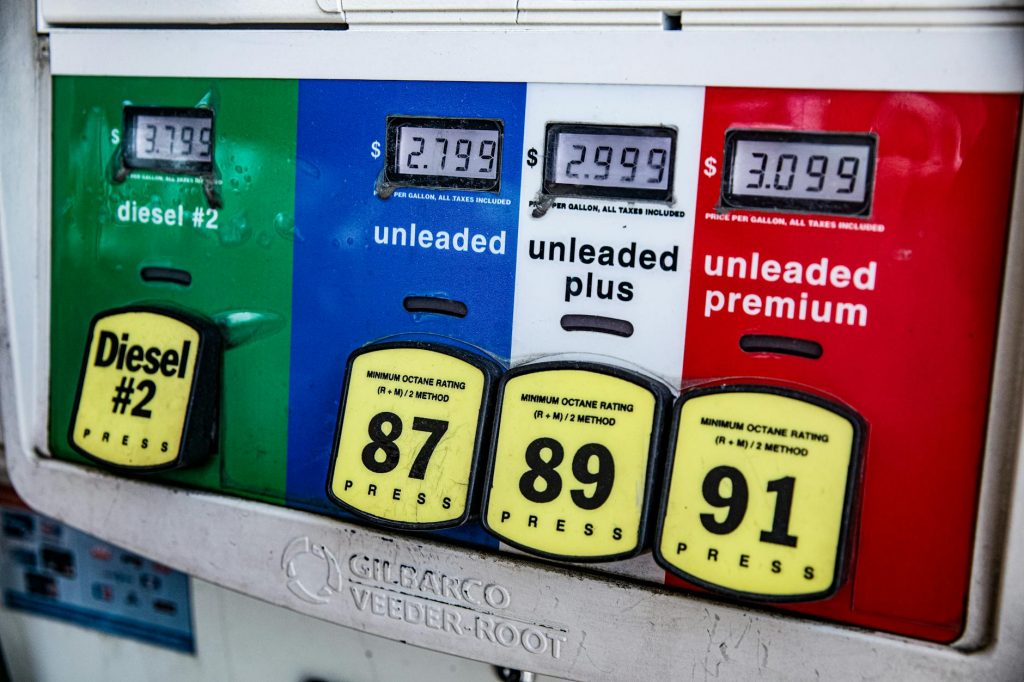
Things are getting a bit chaotic at petrol pumps across Lucknow right now. People are showing up in large numbers, filling up not just their vehicles but also bottles, containers, and basically anything they can get their hands on. It’s the kind of scene you’d expect during a genuine fuel shortage, except that’s not exactly what’s happening here.
The panic buying trend has picked up momentum over the last few days, with long queues forming outside fuel stations throughout the city. What’s interesting is that many people aren’t just buying what they need for their cars—they’re stockpiling fuel for later. You’ll see folks with jerrycans, plastic bottles, and even buckets, trying to take home extra supplies.
Why Everyone’s Suddenly Worried
Usually, panic buying starts because of rumors, news of potential shortages, or anticipation of price hikes. In Lucknow’s case, word has spread pretty quickly through social media and neighborhood chats that fuel supplies might be affected soon. Whether that’s based on solid ground or just anxious speculation, the result is the same—everyone wants to fill up just in case.
The problem is that this kind of hoarding actually creates the very shortage people are worried about. When hundreds of people suddenly try to buy extra fuel at the same time, stocks deplete faster, and it really does become harder to get fuel for regular needs.
Why This Matters (And It Does)
Storing petrol and diesel in bottles and containers at home is genuinely risky. These fuels are highly flammable, and improper storage can lead to accidents. There’s also the environmental angle—spills and leaks from makeshift storage aren’t great for anyone.
From a practical standpoint, this panic buying creates problems for essential services. Auto-rickshaw drivers, delivery personnel, and people who depend on fuel for their daily work get squeezed out when supply runs tight. The authorities are probably watching this situation carefully because if it escalates, they might need to step in with restrictions or rationing.
The bigger picture here is about consumer confidence and how quickly misinformation can spread in today’s connected world. One viral message can send an entire city into buying mode, regardless of whether the underlying concern is real.
For now, the fuel supply situation remains stable in most areas, and officials are likely to make statements assuring people that there’s no actual shortage. But until people feel confident about future availability, expect to see these long queues continue at pumps across Lucknow. If you do need fuel, it might be worth getting it sooner rather than later—not because of any real shortage, but because everyone else is thinking the same thing.