
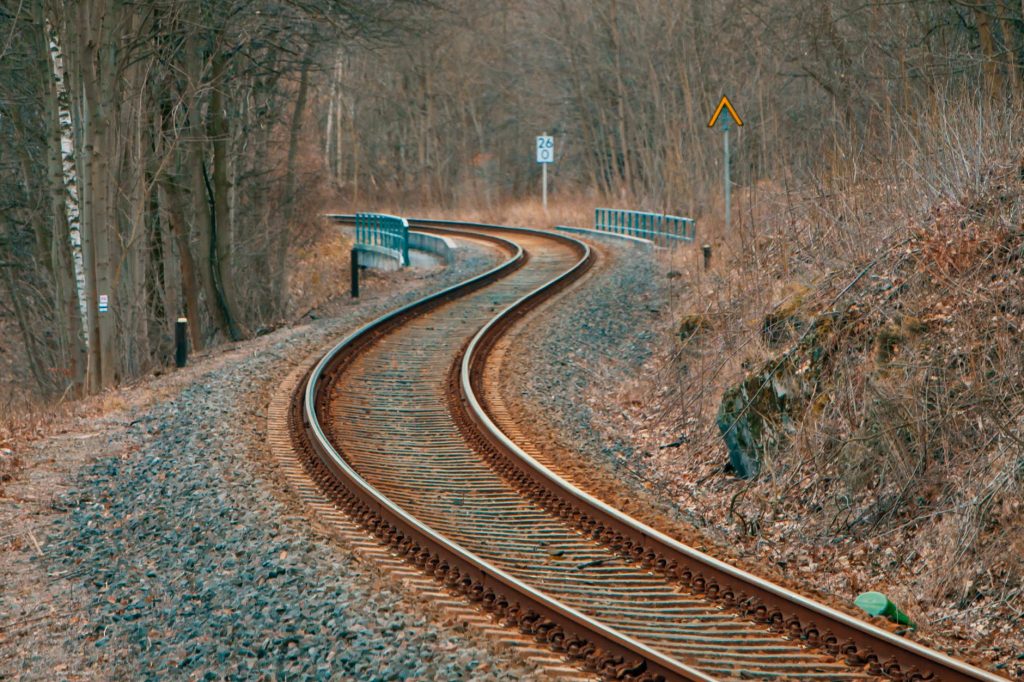
Big news for Rajasthan’s transport infrastructure — the railway ministry has finalized detailed project reports for laying over 1340 kilometers of new track across the state. This isn’t just paperwork either. The government is simultaneously running 30 different surveys to map out routes, identify land requirements, and plan the actual construction work.
So what does this actually mean for you? If you live in Rajasthan or travel through the state regularly, these new rail lines could transform how you get around. Currently, large parts of Rajasthan remain underconnected by railways, making road travel the default option for most people. These new projects aim to fix that.
Why This Matters for Rajasthan
Rail connectivity isn’t just about convenience — it’s about economic opportunity. Better railway networks typically lead to faster movement of goods, reduced logistics costs, and improved business activity in smaller towns and cities. For passengers, it means cheaper, safer travel compared to buses and cars.
Rajasthan, being a large state with significant tourism and agricultural sectors, has been pushing for railway expansion for years. Local communities have repeatedly requested better connectivity to main metros and industrial hubs. This project finally shows some serious momentum on that front.
The DPR (Detailed Project Report) being ready is actually the crucial step here. Without it, you can’t start construction. Think of it as the complete blueprint that engineers, contractors, and government agencies need to work from. Having this ready for 1340 km means the actual execution phase isn’t far off.
What Comes Next
The 30 surveys currently underway are gathering ground-level data — checking soil conditions, identifying villages that’ll be affected, spotting environmental concerns, and planning how to minimize disruption. This groundwork is essential because railway construction impacts local communities significantly.
Once surveys wrap up, the real timeline becomes clearer. Land acquisition typically takes the longest, followed by tender processes and contractor selection. After that, actual construction begins — which is when you’ll start seeing visible changes on the ground.
The ministry hasn’t announced an exact timeline yet, but having DPRs ready suggests they’re pushing to start work within the next fiscal year or two. That’s relatively quick in government terms, which indicates serious intent.
For Rajasthan’s smaller cities and rural areas, this railway expansion could be genuinely transformative. Better connectivity attracts investment, creates jobs during construction, and opens up new possibilities for local businesses. And for regular passengers like us, it simply means more affordable, comfortable options to move around the state.