
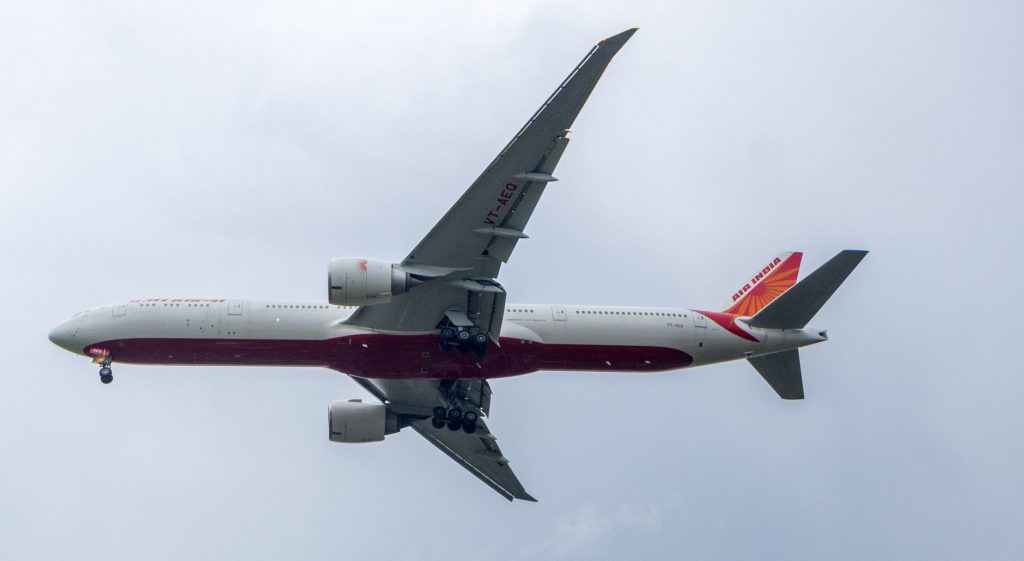
Imagine stepping onto a flight, excited for a well-deserved vacation in Phuket. But for several Air India passengers, their dream getaway turned into a nightmare when their plane faced multiple technical failures mid-air. Recently, documents have come to light that shed light on what really happened.
According to reports, the Air India flight from Phuket to Delhi encountered severe technical issues on multiple occasions. The aircraft’s engines and other critical systems displayed signs of malfunction, putting the lives of the passengers and crew at risk. Despite this, the pilots attributed the issues to turbulence, which raised several eyebrows.
What Documents Reveal
Documents obtained by investigative agencies have revealed a different story. They indicate that the pilots and Air India management were aware of the aircraft’s technical troubles but chose to downplay the situation by attributing it to turbulence. This raises serious concerns about the safety protocols followed by the airline.
The documents also reveal that the pilots had been warned about the aircraft’s technical issues before the flight. However, they chose to ignore these warnings and proceeded with the flight, putting the lives of passengers at risk. This highlights the importance of following safety protocols and addressing technical issues before taking off.
Experts point out that attributing technical failures to turbulence is a common tactic used by airlines to avoid accountability. This not only puts passengers at risk but also erodes trust in the airline. ‘Turbulence is a natural phenomenon, but it cannot be the reason for repeated technical failures,’ said aviation expert, Dr. Rohit Kumar.
Expert Context: What Does This Mean?
Aviation experts believe that this incident highlights the need for stricter safety protocols and better communication between pilots and management. ‘Air India needs to take a closer look at its safety procedures and ensure that pilots are not pressured into downplaying technical issues,’ said Dr. Kumar.
The incident also raises questions about the role of regulatory bodies in ensuring air safety. ‘Regulatory bodies have a crucial role in ensuring that airlines follow safety protocols and address technical issues before taking off,’ said Dr. Smith, a leading aviation expert.
In the wake of this incident, Air India has promised to investigate the matter and take necessary action. However, the incident has left many passengers wondering about the safety of air travel in India.
As the investigation continues, one thing is certain – the safety of air passengers is of paramount importance. Airlines and regulatory bodies must work together to ensure that such incidents do not happen again.
What Happens Next?
The investigation into the Air India incident is ongoing, and it remains to be seen what action will be taken against the airline. However, this incident serves as a wake-up call for airlines and regulatory bodies to prioritize air safety.
The Indian aviation industry has come a long way, but incidents like these highlight the need for continued vigilance and improvement. As passengers, it’s essential to stay informed and demand the highest standards of safety from airlines.