
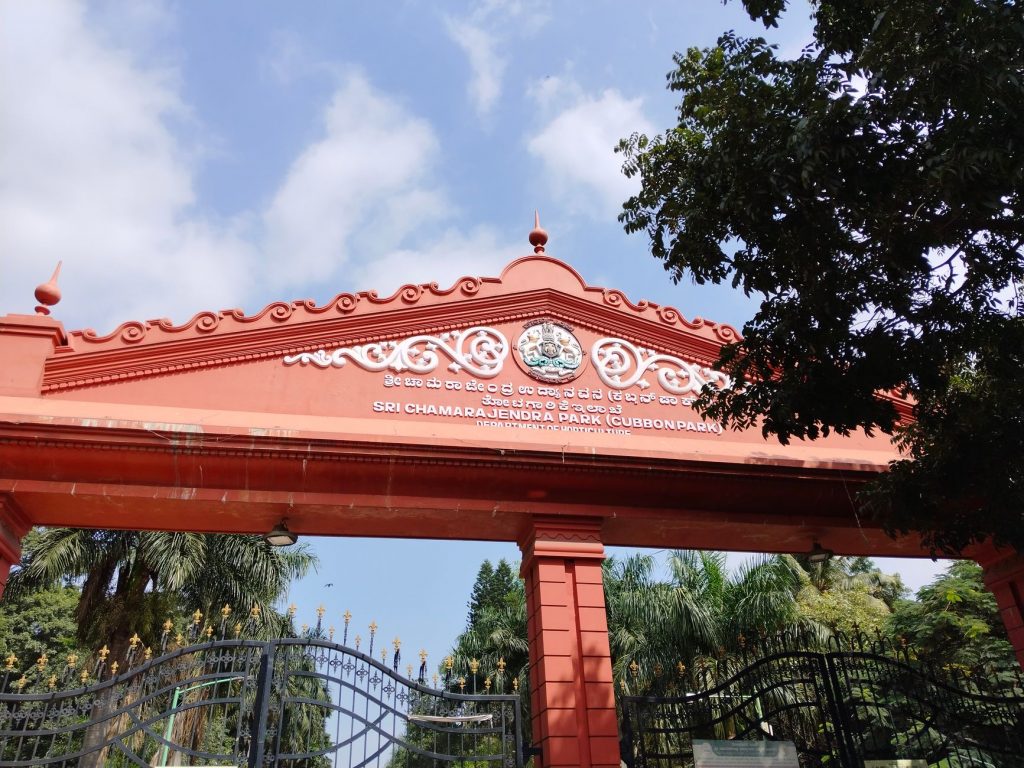
Remember those sprawling parks in your city where you love to take your kids for a weekend outing, or just escape the city chaos for a bit? Well, imagine Bengaluru getting another one, but this time, it might be carved out of land that’s currently under defence control. Sounds a bit unusual, right? But that’s exactly the buzz coming from Karnataka’s Deputy Chief Minister, D.K. Shivakumar!
A Green Lung for Bengaluru?
D.K. Shivakumar, it seems, has his eyes set on creating a massive new garden for Bengaluru, a city that’s bursting at the seams and desperately needs more green spaces. And guess where he’s looking? Prime land currently occupied by defence establishments. This isn’t the first time such a proposal has been floated, and interestingly, it echoes a similar move initiated by Prime Minister Narendra Modi a few years back when he was the Chief Minister of Gujarat, where defence land was repurposed for public projects.
The Defence Land Dilemma
The idea is to acquire a significant chunk of this defence land, which is often quite vast, and transform it into a public park – a much-needed green lung for the Garden City. This would not only provide much-needed recreational space for Bengalureans but also contribute to the city’s environmental health. However, the path to achieving this isn’t straightforward. Acquiring land from the defence ministry is a complex process involving multiple layers of approvals and negotiations, ensuring national security isn’t compromised while also catering to civic needs.
What Experts Say
Urban planning experts believe that while the intention is noble, the execution needs careful consideration. ‘Repurposing defence land for public amenities is a win-win situation if done right,’ says Dr. Anjali Sharma, an urban development consultant. ‘It addresses the critical shortage of public spaces in rapidly growing cities like Bengaluru. However, the defence establishment’s requirements and security concerns must be paramount. Thorough feasibility studies and transparent dialogues are key to making this project a success without any national security risks.’
The Karnataka government is reportedly exploring ways to present a compelling case to the central government, highlighting the benefits for the city and its residents. The success of this initiative could set a precedent for other Indian cities facing similar challenges with urban sprawl and a lack of green cover. It’s a balancing act between development, public welfare, and national security, and all eyes will be on how Shivakumar navigates this intricate terrain.