
It’s a scenario that haunts every parent in India whose child works as a cab driver or in similar gig economy jobs. A 22-year-old driver in Bhopal lost his life after his vehicle accidentally fell into a water-filled abandoned mine shaft, raising fresh concerns about workplace safety and urban infrastructure hazards.
The incident occurred when the young driver, who worked for a local cab aggregator, took a route through an area dotted with old mining excavations. In the darkness, his vehicle veered off the road and plunged into what authorities believe was an unprotected, water-filled pit left behind from decades of mining activity in the region.
Emergency responders reached the scene after locals spotted the vehicle submerged in water. Recovery teams took several hours to retrieve the cab from the depths of the mine. The driver was pronounced dead at the hospital, leaving his family devastated and raising uncomfortable questions about how many such hazards exist across Indian cities.
Abandoned Mines: A Ticking Time Bomb in Urban Areas
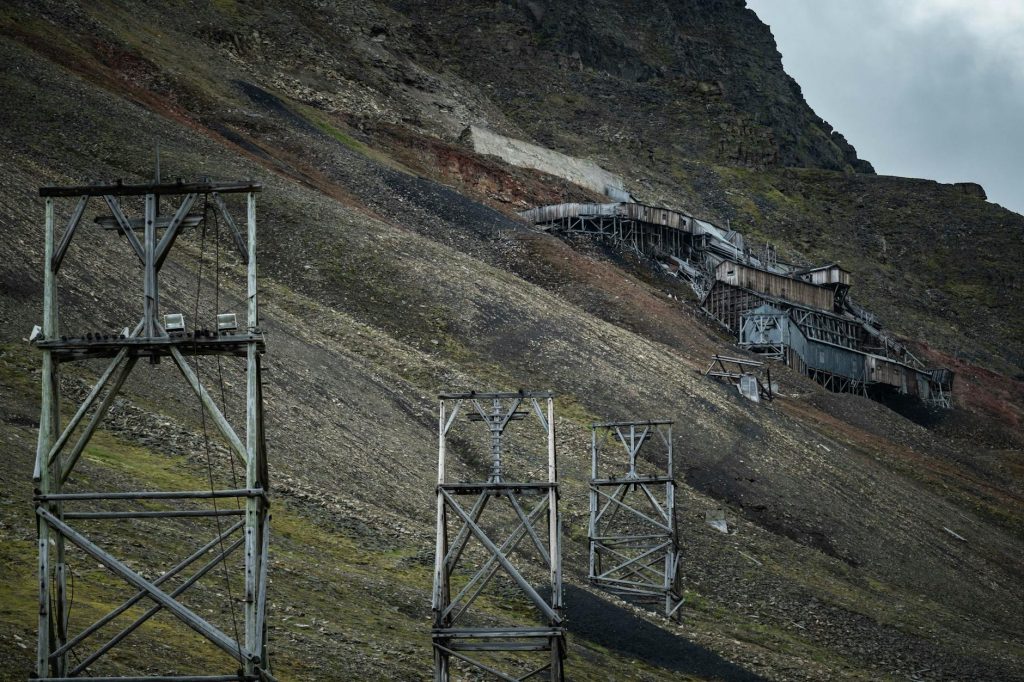
Bhopal, historically a mining hub, still has numerous abandoned excavation sites scattered across its outskirts and semi-urban zones. Many of these pits remain unmarked, unfenced, and filled with stagnant water—perfect conditions for tragedy. Unlike developed countries where such sites are systematically sealed or fenced, India’s regulatory oversight has been inconsistent.
The state mining department acknowledges that hundreds of such abandoned mines exist across Madhya Pradesh alone. Yet resources for their proper closure, fencing, and remediation remain stretched. Most drivers, especially those using GPS navigation through unfamiliar routes late at night, have no way of knowing these dangers exist.
What Needs to Change Now
This tragedy exposes gaps in multiple areas. First, cab aggregator companies need better route mapping that alerts drivers to hazardous areas. Second, local authorities must accelerate the process of identifying, marking, and securing abandoned mine sites. Third, residents and businesses in these areas should report such hazards to civic bodies instead of assuming someone else will.
The deceased driver’s family is likely entitled to compensation under labour laws, though such financial help does little to ease the loss. His death is particularly tragic because it was entirely preventable—a consequence of neglected infrastructure rather than unavoidable circumstances.
As more young Indians join the gig economy as drivers and delivery personnel, their safety depends on both employers taking responsibility and governments securing public spaces. Bhopal’s authorities have now launched an inspection drive to map and secure similar sites, but such reactive measures only come after lives are lost. The real question is whether this momentum will translate into systematic, long-term change across other cities facing similar challenges.