
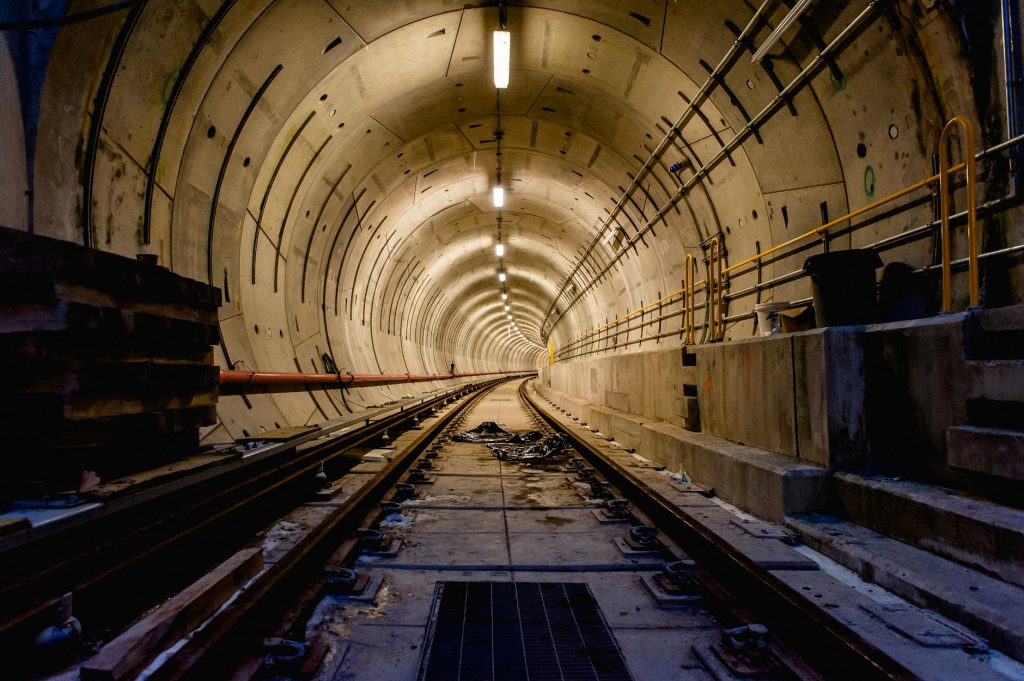
So when is Bhopal finally getting its metro system? Well, the wait just got a whole lot more real—underground tunnel construction has officially kicked off, marking a major turning point for the city’s mega transport project.
Bhopal, one of India’s greenest cities, has been waiting for rapid transit connectivity for years. The metro project promises to transform how lakhs of residents commute daily, reducing traffic congestion and cutting pollution. And now, after all the planning and groundwork, the actual digging has begun.
What’s happening on the ground right now?
The underground tunnel construction represents a critical phase in the Bhopal Metro development. Instead of surface-level tracks, these tunnels will carry metro trains beneath the city streets, minimizing disruption to existing traffic and freeing up valuable urban space above.
Workers are using advanced tunnel boring machines and construction techniques to carve out passages that will eventually host high-speed metro trains. It’s a complex operation that requires precision engineering and careful coordination with existing underground utilities like water pipes, sewage lines, and electrical cables.
The project is being executed in phases to ensure nothing goes sideways. Different sections of tunnel work are happening simultaneously across the planned metro corridor, which shows the momentum the authorities have built up.
Why should Bhopal residents care right now?
For commuters, this is genuinely good news. Once operational, the metro will slash travel times significantly compared to current road transport. Peak-hour journeys that take 45 minutes by bus could happen in under 20 minutes on metro.
Beyond just convenience, the metro will ease pressure on Bhopal’s road infrastructure. With more people choosing metro over personal vehicles, we’re looking at cleaner air and less honking on our streets. Plus, metro projects always spark real estate development and create thousands of construction jobs.
Some residents might face temporary disruptions—road diversions, noise, and construction activity in certain areas. But these are short-term trade-offs for long-term urban development that cities like Bangalore and Mumbai have already experienced successfully.
The authorities are working on a timeline, though metro projects in India traditionally take longer than initially planned due to various ground-level challenges. Still, seeing actual tunnel boring machines on the ground means we’re past the talking stage.
Keep an eye on progress updates in coming months—each completed tunnel section will be a visible sign that modern Bhopal is literally being built beneath our feet. This project could genuinely reshape how the city functions once it becomes operational.