
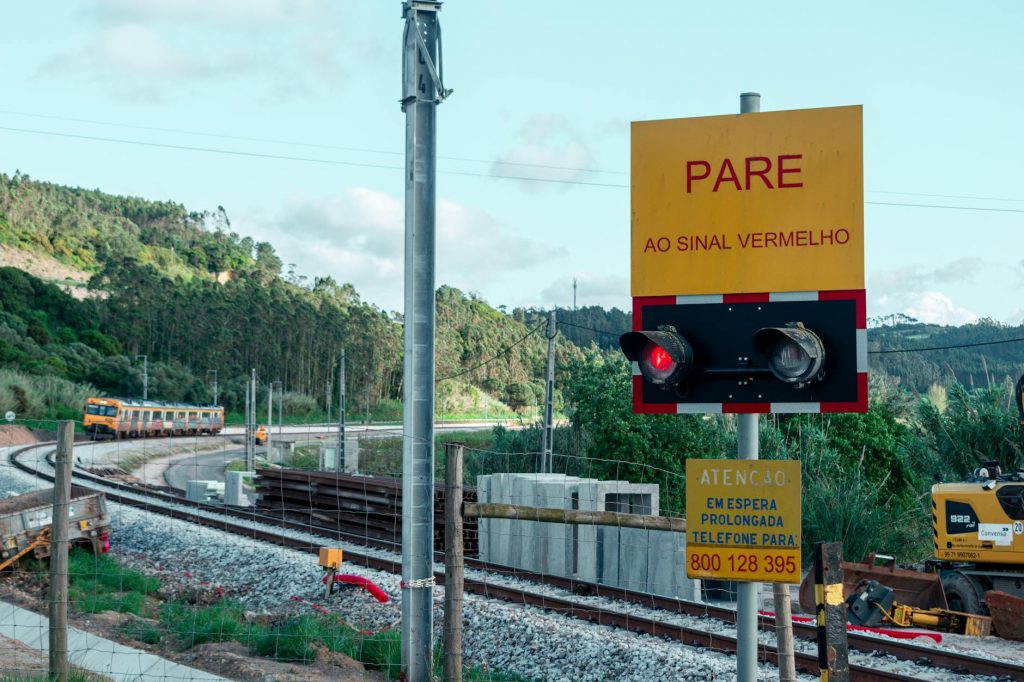
Bhopal Metro has kicked off signalling works on its Priority Corridor, a move aimed at significantly increasing train frequency across the network. The signalling system upgrade is critical infrastructure that will allow trains to run closer together safely, making commutes more convenient for the growing number of passengers relying on the metro.
The Priority Corridor, which forms the backbone of Bhopal’s metro system, currently operates at frequencies that can leave passengers waiting during peak hours. By modernising the signalling infrastructure, the metro authority can reduce headways between trains — the technical term for time gaps between consecutive services.
Why This Matters for Daily Commuters
Anyone who’s stood on a crowded metro platform knows the frustration of waiting too long between trains. More frequent services mean shorter wait times, less crowding during rush hours, and a genuinely faster journey across the city. For working professionals and students, this translates to real time savings in their daily routines.
The signalling system is basically the metro’s nervous system — it controls train movements, maintains safe distances, and ensures smooth operations. Modern signalling allows operators to run trains at closer intervals without compromising safety, which is exactly what Bhopal needs as the city continues to grow.
This upgrade also boosts the metro’s operational efficiency. Better signalling systems reduce manual interventions, minimise delays caused by technical glitches, and enable more predictable scheduling. For a city that’s still building its reputation as a modern metro destination, reliability matters enormously.
What Comes Next on the Timeline
The signalling works will proceed in phases to avoid disrupting current services. The metro authority is coordinating carefully to ensure that ongoing operations remain smooth while construction teams install new equipment and conduct rigorous testing.
Once complete, passengers can expect noticeably shorter intervals between trains during peak and off-peak hours. The exact frequency improvements will depend on the system’s capacity and the metro authority’s operational planning, but substantial improvements are anticipated.
This upgrade is part of Bhopal Metro’s broader expansion vision. As the network eventually extends to additional corridors, having a robust signalling backbone ensures the entire system can grow sustainably. The Priority Corridor improvements essentially future-proof the metro for higher capacity demands.
For Bhopal residents, this signalling upgrade represents tangible progress toward a modern public transport system. Watch this space — within the next year or so, your metro experience should feel noticeably smoother and faster.