
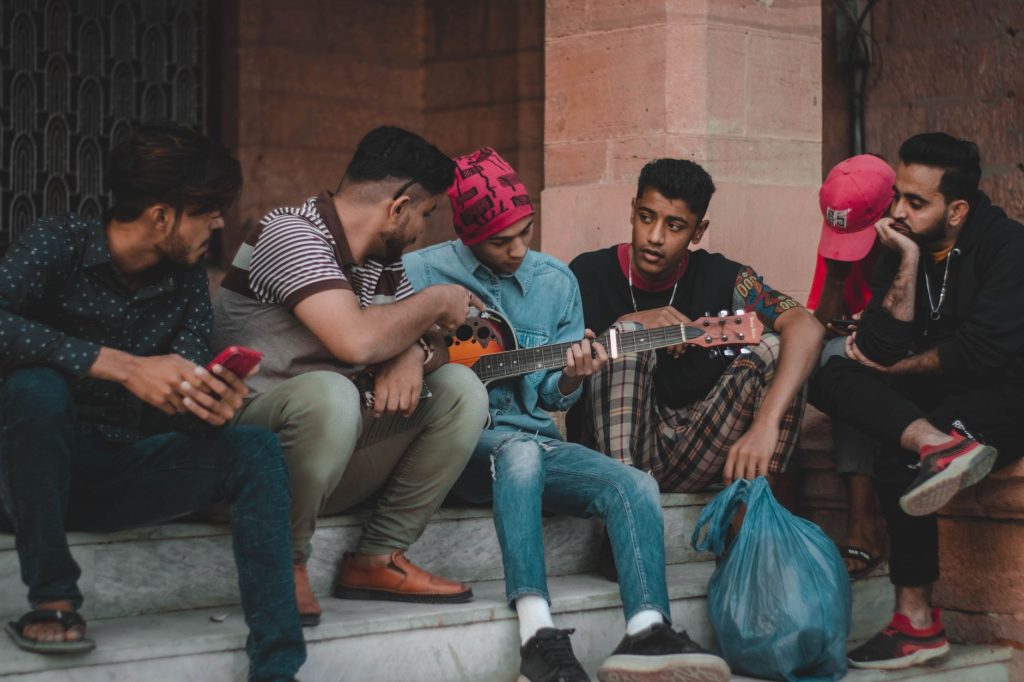
Remember those endless family group chats and forwarded messages that flooded your WhatsApp during elections? Or the quick, sharp political takes you’d see on X (formerly Twitter)? For years, India’s Bharatiya Janata Party (BJP) has been a master of these digital battlegrounds, effectively reaching millions of Indians, especially younger voters, through familiar platforms. Now, the party is setting its sights on a new frontier: Instagram.
Targeting the Insta Generation
While WhatsApp and X have served the BJP well in connecting with a broad spectrum of Indian society, the party recognizes that the nation’s rapidly growing Gen Z population spends a significant chunk of their online time on visually driven platforms like Instagram. This demographic, often more engaged with short-form videos, Reels, and aesthetically pleasing content, presents a unique challenge and opportunity. The BJP’s strategy is reportedly shifting to create more relatable, engaging, and visually appealing content tailored specifically for this audience, moving beyond traditional political messaging.
Beyond the Viral Forward
The shift to Instagram signifies a deeper evolution in political communication for the BJP. It’s not just about disseminating information anymore; it’s about building a connection, fostering a sense of community, and influencing perceptions in a space where authenticity and trend-following are key. Expect to see more behind-the-scenes glimpses, influencer collaborations, and content that resonates with the everyday lives and aspirations of young Indians, rather than just policy announcements or campaign rallies.
Why This Matters for Future Polls
This strategic pivot to Instagram is a clear indicator of the BJP’s forward-thinking approach to electoral politics. By proactively engaging with Gen Z on their preferred digital turf, the party aims to secure its influence among the next wave of voters. As younger demographics become increasingly crucial in determining election outcomes, mastering platforms like Instagram isn’t just a tactic; it’s a necessity for sustained political relevance and success in the digital age.