
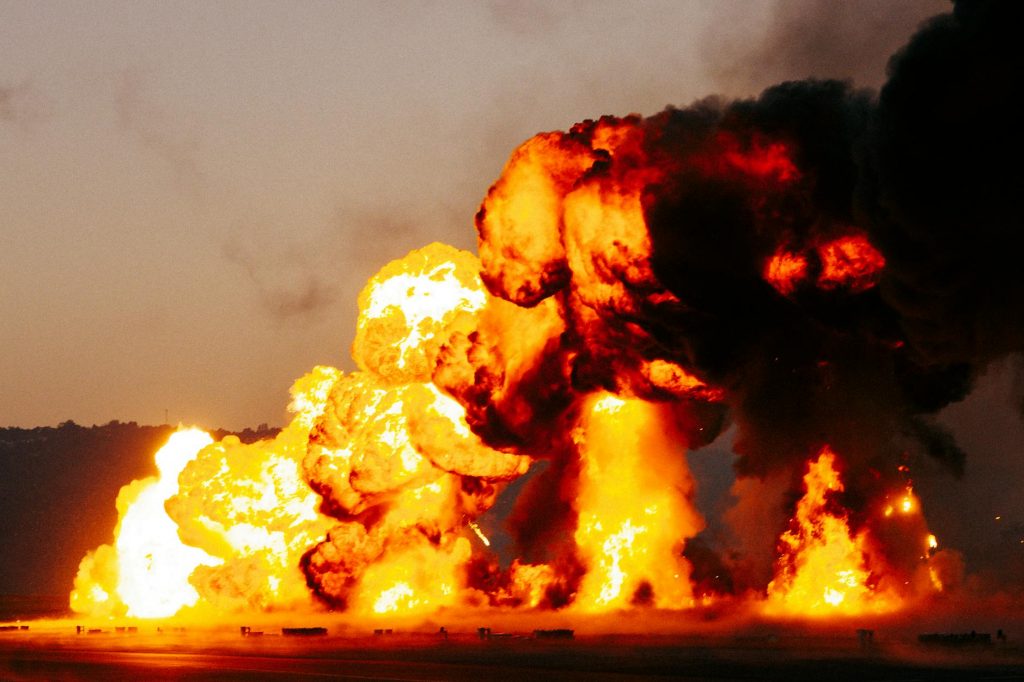
An explosion rocked the area outside the Punjab BJP’s office in Chandigarh on Tuesday, sending shockwaves through the political establishment. The good news? No one was hurt in the blast.
The incident happened in the early hours, when foot traffic around the office was minimal. Police arrived at the scene quickly and secured the area. Initial reports suggest the explosion occurred outside the building’s perimeter, not inside the office itself.
What We Know Right Now
Authorities have launched a full-scale investigation into what caused the blast. A bomb disposal squad examined the site to check for any remaining devices. The exact nature of the explosion—whether it was caused by a crude device, accident, or something else—is still being determined.
The BJP’s Punjab unit said they’re cooperating fully with investigators. The party’s local leadership expressed concern about the incident but stressed that such acts won’t intimidate them.
Why This Matters for You
Chandigarh, being India’s capital city for two states and home to major government institutions, is supposed to be a high-security zone. An explosion at a political party’s office raises serious questions about ground-level security and intelligence gathering.
This isn’t the first time political offices have faced security threats in India. In recent years, we’ve seen similar incidents at various party headquarters across the country. Each time, it highlights how vulnerable our public spaces remain despite increased security measures.
For residents of Chandigarh and Punjab, this is a reminder that no area is completely risk-free. The incident will likely prompt the administration to review security protocols around sensitive locations, especially during election seasons when political temperatures run high.
The investigation will be crucial in determining whether this was a targeted attack, a protest that went wrong, or something entirely different. Depending on what investigators find, it could have broader implications for how political parties manage security and how law enforcement operates in urban areas.
Right now, the focus remains on ensuring public safety and getting to the bottom of what happened. As more details emerge, they’ll paint a clearer picture of the threat level and whether similar incidents might occur elsewhere. The coming days will be important in understanding what triggered this blast and whether it signals a concerning trend or was an isolated incident.