
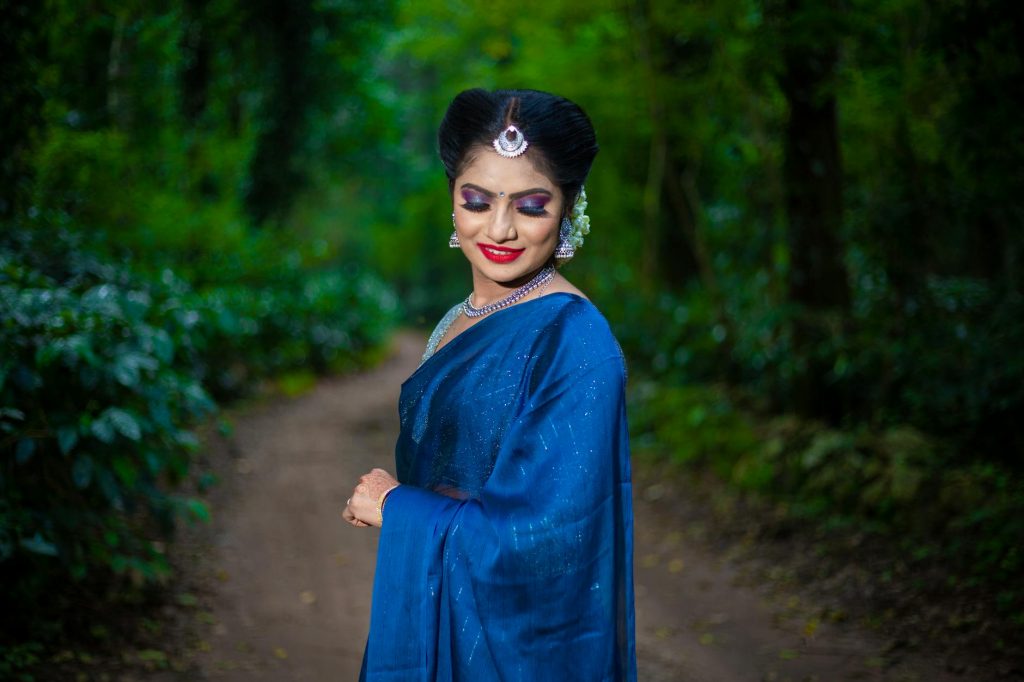
Ever wondered which Bollywood songs made the saree the real star of the screen? These aren’t just dance numbers—they’re moments that changed how we see Indian cinema’s most elegant garment.
Bollywood has a complicated relationship with the saree. It’s simultaneously a symbol of tradition, grace, and raw sensuality. Over decades, filmmakers discovered that a saree in the right hands—or rather, on the right dancer—could tell an entire story without saying a word.
When Sarees Became Showstoppers
From Madhubala’s mesmerizing movements to Rekha’s magnetic presence, the saree became the costume of choice for Bollywood’s most memorable sequences. These songs worked because they understood something crucial: the saree’s drape, the way it moves with the body, the glimpse of the midriff—all of this became visual storytelling.
The 1970s and 80s gave us sequences that pushed boundaries for their time. Filmmakers weren’t just dressing actresses; they were creating visual poetry. The camera work, the lighting, the choreography—everything aligned to celebrate this nine-yard wonder.
Later decades brought different approaches. The 90s saw more experimental choreography, mixing classical movements with modern beats. Zero Kaata Dus, Chamma Chamma, and similar tracks became viral moments before virality was even a thing. People actually rewound VHS tapes to watch these moments repeatedly.
Why These Songs Still Matter
What makes these performances timeless isn’t just skin or sex appeal—it’s the confidence, the artistry, and the technical skill involved. Dancers trained for weeks perfecting every movement. Costume designers created sarees specifically engineered to move in certain ways under camera lights.
These songs became cultural touchstones. They sparked conversations about femininity, agency, and how cinema portrays women. Some celebrated them, others criticized them—but everyone watched them.
The impact extended beyond cinema. Fashion designers drew inspiration. Wedding choreographers incorporated moves. Young dancers learned from these videos on YouTube.
Today’s Bollywood takes a different approach. The shock value has worn off, and audiences expect more substance. But those classic saree sequences remain reference points—the standard against which new performances are measured.
What’s interesting is how these songs have aged differently. Some feel dated, others feel timeless. The ones that work now are those where you sense genuine artistry rather than pure provocation.
As Bollywood continues evolving, the question isn’t whether saree songs will return—it’s what new forms they’ll take while respecting both tradition and contemporary sensibilities.