
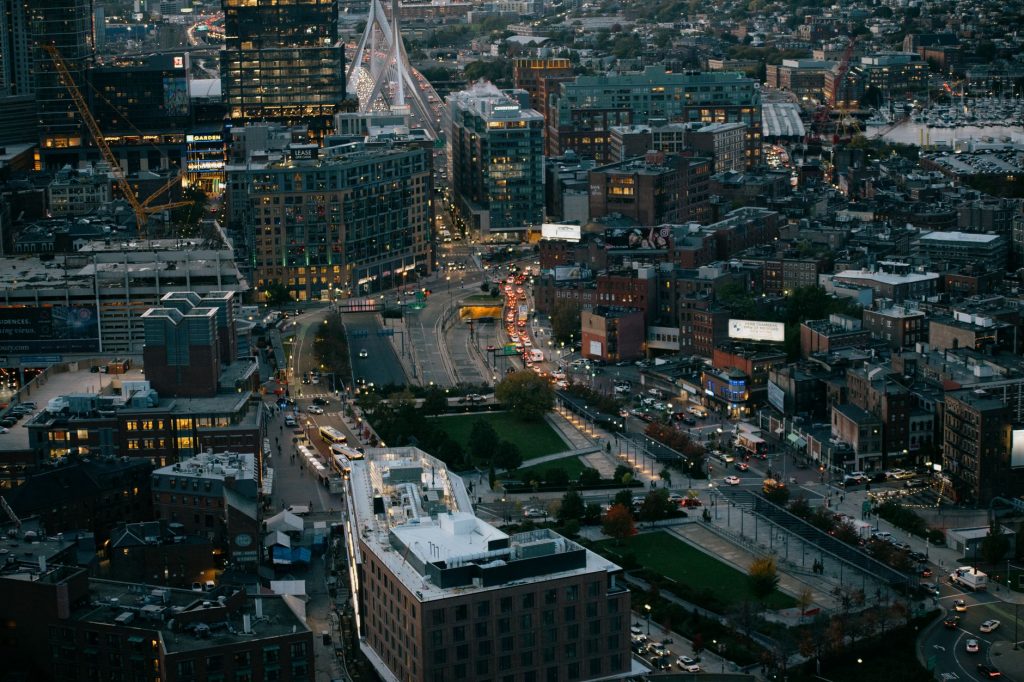
Get ready for a massive traffic jam in Boston! If you’re planning to catch the football World Cup matches there, brace yourself because some major roads will be shut down, and public transport will be packed. Boston is gearing up to host some of the biggest games in the 2026 FIFA World Cup, and they’re expecting a huge crowd, which means getting around the city will be a challenge.
Roads Shut, Trains Packed: What to Expect
The biggest shocker? They’re closing off a significant chunk of the city center, including parts of the famous Boston Common and Public Garden, to create a fan zone. This means you won’t be able to drive through these areas at all. Many other streets around the stadium will also have restricted access to manage the flow of thousands of football fans. Think of it like a major festival in India, but on a much larger scale and with stricter rules. Public transport, like the subway (known as the ‘T’ in Boston) and buses, will be your best bet, but expect very long queues and crowded carriages. The authorities are advising everyone to plan their journeys well in advance, perhaps even a day before, to avoid missing any matches.
Plan Your Journey Like a Pro
To make sure you don’t miss any of the action, here’s what you need to do. Firstly, forget about renting a car and driving right up to the stadium. It’s simply not going to be possible. Instead, focus on using the public transport system. The Massachusetts Bay Transportation Authority (MBTA), which runs the ‘T’ and buses, is expected to increase services, but even then, it will be crowded. The best advice is to travel during off-peak hours if possible, or be prepared to wait. Another smart move would be to book your tickets for public transport in advance if they offer such options, or consider ride-sharing services like Uber and Lyft, though they too will likely face surge pricing and delays due to traffic restrictions.
For those travelling from outside Boston, the advice is to stay in hotels that are well-connected to public transport lines leading to the stadium area. Consider staying a bit further out and using the train, rather than trying to find accommodation in the heart of the city, which will be extremely expensive and difficult to access. The organizers are also looking at setting up special shuttle services from designated parking areas outside the city, so keep an eye out for those announcements. It’s all about smart planning and avoiding the main rush.
What does this mean for us Indians attending the World Cup? It means we need to be extra prepared. We’re used to crowds and managing in busy situations, but Boston’s traffic management for the World Cup is on another level. We need to apply our Indian knack for planning and navigating chaos, but with a bit more foresight. Expect delays, be patient, and most importantly, plan your travel to the stadium at least two to three hours before kick-off. This is a once-in-a-lifetime event, and a little bit of planning will ensure you enjoy the games without the added stress of getting lost or stuck in traffic.