
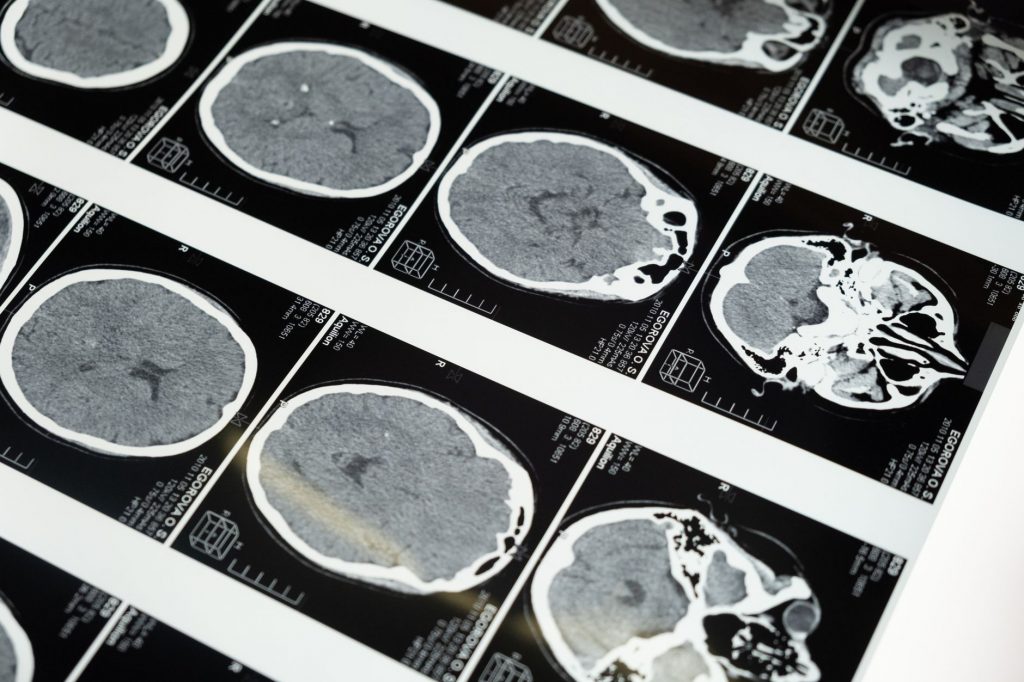
Imagine waking up one morning to find out that you have a life-threatening brain tumour. This is the harsh reality that many Indians face every day. The fear of the unknown, the anxiety of what’s to come, and the worry about the well-being of loved ones can be overwhelming. In such a scenario, any news about a new treatment or a medical breakthrough can bring a glimmer of hope. Recently, the medical world was abuzz with the news of an Australian doctor, Richard Scolyer, who underwent a world-first brain tumour treatment.
The treatment, which was deemed a groundbreaking procedure, involved the use of a novel technique to remove the tumour from the brain. Although the treatment showed promise, unfortunately, Dr. Scolyer succumbed to his illness. The news of his passing has sent shockwaves across the medical community and has left many wondering about the efficacy of this new treatment.
Understanding Brain Tumours
Before we delve into the details of Dr. Scolyer’s treatment, let’s understand what brain tumours are. A brain tumour is an abnormal growth of cells in the brain that can be either benign or malignant. Benign tumours are non-cancerous and can usually be removed with surgery. Malignant tumours, on the other hand, are cancerous and can be life-threatening. Brain tumours can occur in anyone, regardless of age or sex, and the symptoms can vary depending on the location and size of the tumour.
The causes of brain tumours are still not fully understood, but research suggests that genetics, exposure to radiation, and certain viruses may play a role. In India, brain tumours are a significant health concern, with thousands of new cases being diagnosed every year. The treatment options for brain tumours typically include surgery, radiation therapy, and chemotherapy. However, the effectiveness of these treatments depends on the type and location of the tumour, as well as the overall health of the patient.
The World-First Treatment
Dr. Scolyer’s treatment involved the use of a novel technique called ‘electric field therapy’. This non-invasive treatment uses a device that emits low-intensity electric fields to disrupt the growth of cancer cells. The treatment is still in its experimental stages, but the initial results have been promising. The device, which is worn on the head like a helmet, emits electric fields that are tuned to a specific frequency to target cancer cells.
The treatment is designed to be used in conjunction with other therapies, such as chemotherapy and radiation therapy. The idea behind this treatment is to use the electric fields to slow down the growth of cancer cells, making them more susceptible to other treatments. Although the treatment showed promise in Dr. Scolyer’s case, his passing has raised questions about the efficacy of this treatment. More research is needed to fully understand the potential benefits and risks of this treatment.
Expert Context
According to experts, the development of new treatments for brain tumours is a complex and challenging process. Brain tumours are highly heterogeneous, meaning that they can vary significantly in terms of their genetic makeup, location, and size. This makes it difficult to develop a single treatment that can effectively target all types of brain tumours. Additionally, the blood-brain barrier, which is a network of blood vessels that protects the brain, can make it difficult for drugs to reach the tumour site.
Despite these challenges, researchers are making progress in the development of new treatments for brain tumours. Immunotherapy, which involves using the body’s immune system to fight cancer, is showing promise in the treatment of brain tumours. Other approaches, such as gene therapy and stem cell therapy, are also being explored. In India, there is a need for more research and investment in the development of new treatments for brain tumours. With the increasing incidence of brain tumours, it is essential that we have effective treatments available to patients.
In conclusion, the news of Dr. Scolyer’s passing is a reminder of the complexities and challenges of treating brain tumours. While the world-first treatment he underwent showed promise, more research is needed to fully understand its potential benefits and risks. As Indians, it is essential that we stay informed about the latest developments in the treatment of brain tumours and support research and investment in this area. By working together, we can hope to find more effective treatments for this devastating disease and improve the lives of those affected by it.