
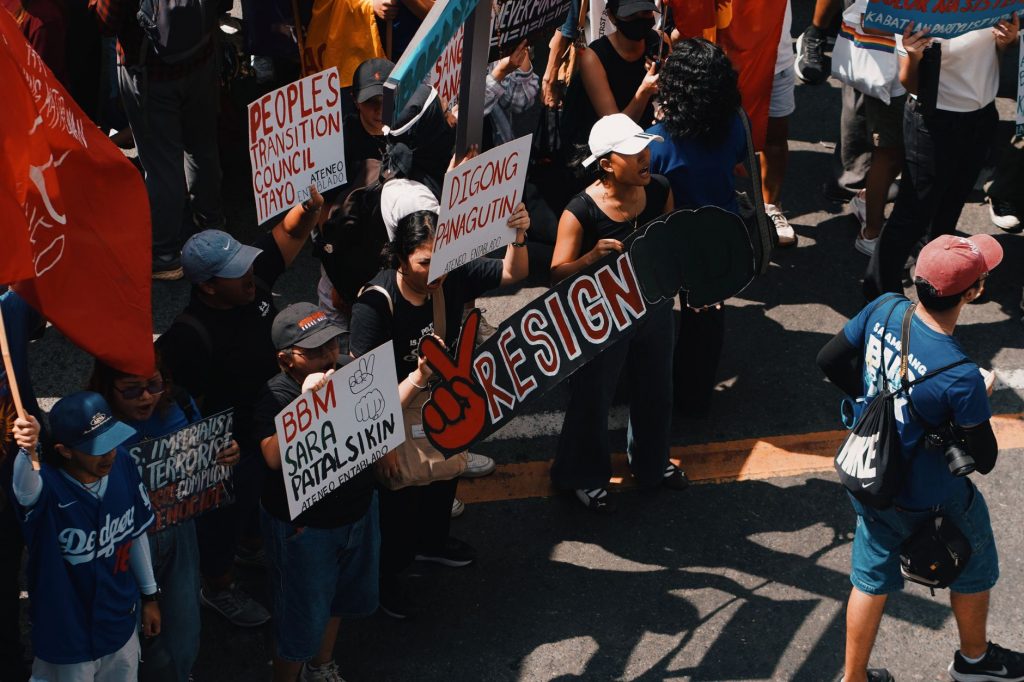
Ahead of the highly anticipated ‘Chalo Sansad’ march, where thousands of protesters are expected to converge on the Indian Parliament, activists are urging participants to spend the night near the protest site to make their voices heard.
Abhijeet Dipke, a prominent member of the Common Cause (CJP), has called for a night-long vigil, citing the need for sustained effort to draw attention to the demands of the people.
The ‘Chalo Sansad’ march, scheduled for this week, aims to address various issues affecting the nation, including the proposed agriculture laws and the recent surge in fuel prices.
What’s Behind the ‘Chalo Sansad’ March?
The planned protest is a culmination of months-long efforts by activists, farmers, and citizens to raise their voices against the government’s policies. The proposed agriculture laws have been a major point of contention, with many farmers fearing they would lead to the exploitation of small-scale farmers by large corporations.
Adding to the concerns are the recent hikes in fuel prices, which have left many Indians struggling to make ends meet. The government’s decision to increase the prices of essential commodities has sparked widespread discontent, with many demanding a more equitable distribution of resources.
Amidst the growing discontent, the ‘Chalo Sansad’ march is seen as a crucial moment for citizens to express their opinions and hold their representatives accountable. By converging on the Parliament, protesters aim to create a massive public spectacle that cannot be ignored by the government.
A Night of Vigil: Why It Matters
Abhijeet Dipke’s call for a night-long vigil is a testament to the growing frustration among citizens. By spending the night near the protest site, participants can amplify their message and demonstrate their commitment to their causes.
The night vigil is also seen as a way to build solidarity among the protesters, fostering a sense of community and shared purpose. As the night wears on, protesters can engage in discussions, share their experiences, and recharge their energies for the challenges ahead.
For Indians, the ‘Chalo Sansad’ march and the night vigil represent a critical moment for citizen activism. By participating in the protest, individuals can exercise their democratic rights, hold their representatives accountable, and demand a more responsive government.
As the nation grapples with the complexities of modernization, the ‘Chalo Sansad’ march serves as a reminder that citizens have the power to shape their destiny. By coming together, sharing their concerns, and demanding change, Indians can create a more just and equitable society for all.
What’s Next for the ‘Chalo Sansad’ March?
As the protest gains momentum, the government is likely to face increased pressure to address the concerns of the people. With thousands of protesters converging on the Parliament, the government may be forced to reconsider its policies and engage with citizens in a more meaningful way.
For Indians, the ‘Chalo Sansad’ march marks a significant moment in the ongoing struggle for democracy and accountability. By participating in the protest and demanding change, citizens can create a more responsive government that truly represents the aspirations of the people.