
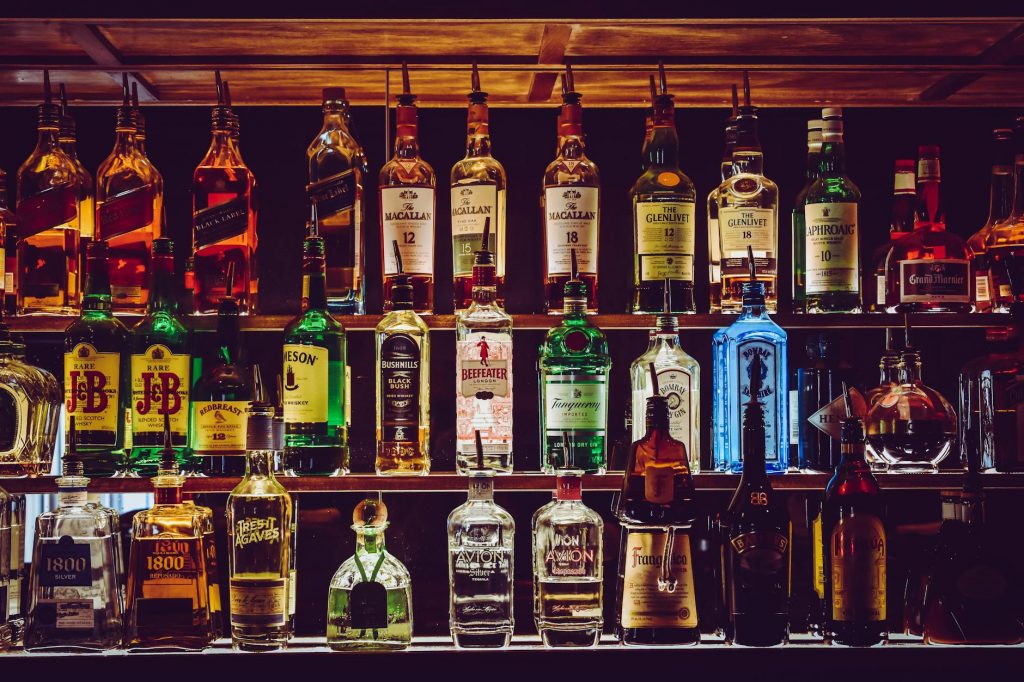
Picture this: you’re filling up your car at a petrol pump on a Saturday evening, and you casually pick up a bottle of whiskey along with your snacks. Sound unusual? Not anymore in Chandigarh. The Union Territory has just given the green light to a policy that will fundamentally change how and where residents can purchase alcoholic beverages.
The Chandigarh administration has approved a new liquor retail policy that permits the sale of alcohol at petrol pumps, shopping malls, and other modern retail outlets. This marks a significant shift from the traditional bottle shop model that has dominated India’s liquor trade for decades.
What the new policy means
Under this framework, liquor will no longer be confined to standalone shops tucked away in specific areas. Instead, alcohol will be available alongside everyday shopping in high-traffic commercial spaces. The move aims to streamline retail operations and tap into modern consumer behavior, where one-stop shopping is increasingly preferred.
The policy is expected to boost revenue for the local administration while simultaneously addressing compliance and hygiene concerns. Modern retail outlets operate under stricter regulations regarding age verification, storage conditions, and licensing requirements compared to traditional liquor vendors.
Petrol pump chains can now diversify their revenue streams by adding alcohol to their product mix. Similarly, major shopping malls can now include alcohol retail sections, making it convenient for shoppers who prefer purchasing from organized retail chains.
The broader implications for Punjab and Chandigarh
This decision places Chandigarh at the forefront of liquor retail modernization in North India. Several states have been exploring similar models as they recognize that restricting sales channels only pushes consumers toward unorganized markets where tax evasion and counterfeit products flourish.
The policy also comes at a time when organized retail is rapidly expanding across Indian cities. Mall operators and fuel retailers have been lobbying for such amendments to capture a larger share of the liquor market, which remains substantially underground in many regions.
Industry observers note that such policies work best when coupled with robust regulation. Chandigarh’s administration will need to ensure proper licensing, age verification systems, and regular inspections to prevent misuse. The success of this model will likely influence policy decisions in neighboring Punjab and other Union Territories.
Whether this becomes a template for other Indian cities or remains a localized experiment will depend on how effectively Chandigarh implements oversight mechanisms and manages any unforeseen social impacts from increased accessibility.