
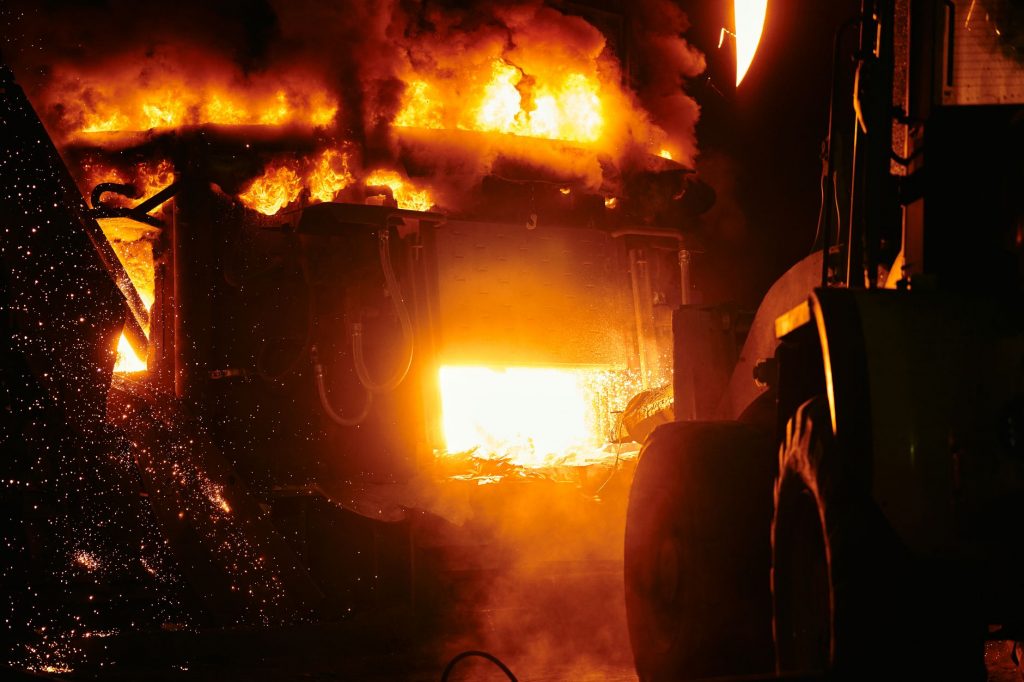
A devastating inferno ripped through a shoe manufacturing plant in China’s renowned “Shoe Capital” on Tuesday, claiming the lives of at least 28 workers and plunging the nation into mourning. The tragedy, which unfolded in the city of Wenling, Zhejiang province, a hub for footwear production, has once again cast a grim spotlight on workplace safety standards across the country.
A City Built on Shoes, Now Scarred by Fire
Wenling, a city that prides itself on being the “Shoe Capital of China,” is home to thousands of small and medium-sized factories that churn out millions of pairs of shoes annually, supplying markets both domestically and internationally. This latest disaster, however, has revealed the dark underbelly of rapid industrialization, where profit often seems to outweigh the paramount importance of human life. Initial reports suggest the fire may have started in a workshop area and quickly spread, trapping workers amidst the flammable materials commonly found in shoe production, such as leather, adhesives, and synthetic fabrics.
Concerns Over Safety Standards Intensify
The sheer scale of the loss of life has prompted an immediate and strong reaction from the highest echelons of power. President Xi Jinping himself has personally directed authorities to conduct a thorough investigation into the cause of the blaze and to hold accountable those responsible. This directive underscores the growing concern over a series of deadly workplace accidents that have plagued China in recent months, raising serious questions about the effectiveness of current safety regulations and their enforcement. The government faces immense pressure to demonstrate concrete action to prevent such catastrophic events from recurring.
Implications for India and Global Supply Chains
For India, this incident serves as a stark reminder of the interconnectedness of global supply chains and the potential impact of such tragedies. Many Indian businesses rely on components and finished goods sourced from China, including those manufactured in regions like Wenling. Disruptions caused by factory fires, regulatory crackdowns, or even the reallocation of manufacturing capacity due to safety concerns can have ripple effects on Indian industries. Furthermore, it highlights the need for India to continuously assess and strengthen its own manufacturing safety standards, ensuring that the well-being of workers remains a top priority as the nation continues its own industrial growth trajectory. The incident may also prompt a renewed look at diversifying sourcing strategies among Indian importers to mitigate risks associated with over-reliance on single manufacturing hubs.