
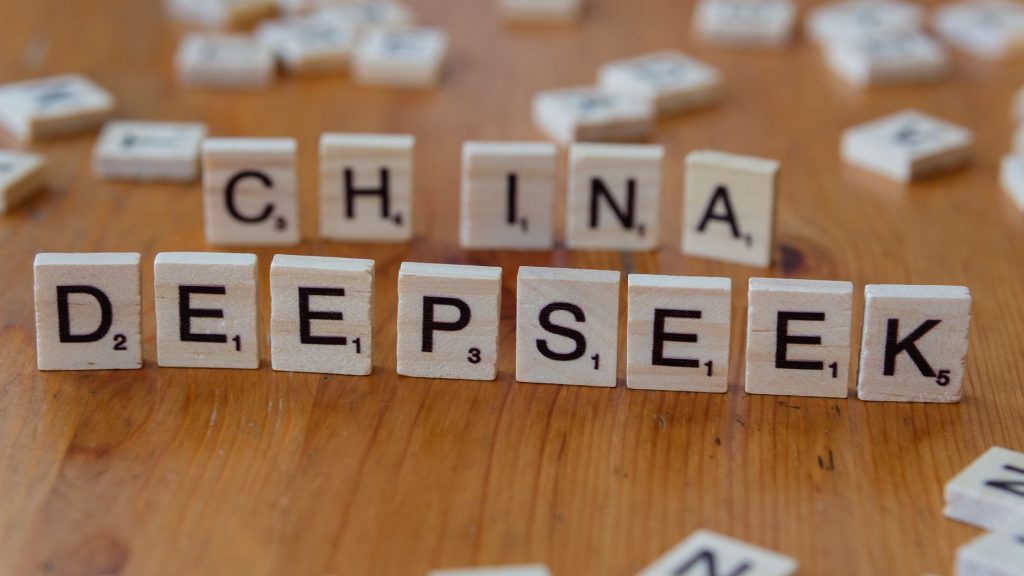
The lucrative world of Artificial Intelligence has sparked a heated debate in Silicon Valley, with billion-dollar startups sounding the alarm over the rapid rise of Chinese AI. The smaller players, however, seem to have a vastly different perspective on the issue. As the world grapples with the implications of AI, the divide between these two camps has significant implications for the future of technology.
The concern among the bigger players stems from the fact that Chinese AI companies are making rapid strides in the field, with many of them receiving significant funding from the Chinese government. This has led to fears that Chinese AI could soon surpass American AI, leading to a loss of dominance in the global tech landscape. The smaller startups, on the other hand, see Chinese AI as an opportunity for collaboration and growth, rather than a threat.
Why it Matters
The reason this debate matters is that AI has the potential to revolutionize numerous industries, from healthcare to finance. Whoever leads the charge in AI development will have a significant advantage in shaping the future of these industries. The fear among the bigger players is that if Chinese AI surpasses American AI, it could lead to a loss of jobs and economic opportunities in the United States. On the other hand, the smaller startups believe that collaboration with Chinese AI companies could lead to the development of new technologies and business models that could benefit both countries.
The debate also highlights the complex and often contradictory nature of the relationship between the United States and China. On the one hand, the two countries are engaged in a bitter trade war, with the United States imposing significant tariffs on Chinese goods. On the other hand, there are many areas where the two countries cooperate, including in the field of AI research. The fact that Chinese AI companies are receiving significant funding from the Chinese government has raised concerns about the potential for intellectual property theft and the misuse of AI for military purposes.
The Indian Perspective
So, what does this mean for India? As a country that is rapidly emerging as a major player in the global tech landscape, India has a significant stake in the development of AI. Indian companies such as Infosys and Wipro are already working with American companies to develop AI solutions, and there are many Indian startups that are working on AI-related projects. The debate in Silicon Valley has significant implications for India, as it could potentially impact the country’s ability to access cutting-edge AI technologies.
Moreover, the Indian government has launched several initiatives to promote the development of AI in the country, including the establishment of the National Artificial Intelligence Mission. The mission aims to promote the development of AI in India by providing funding and support for AI-related research and development. The debate in Silicon Valley highlights the need for India to be cautious in its approach to AI development, and to ensure that the country is not left behind in the global AI race.
What Happens Next
So, what happens next? The debate in Silicon Valley is likely to continue, with the bigger players pushing for greater scrutiny of Chinese AI companies and the smaller startups advocating for greater collaboration. The Indian government will need to navigate this complex landscape carefully, ensuring that the country’s interests are protected while also promoting the development of AI. As the world continues to grapple with the implications of AI, one thing is certain – the future of technology will be shaped by the decisions made today.
In the coming months, we can expect to see greater investment in AI research and development, both in the United States and in China. The Indian government will need to ensure that the country is able to keep pace with these developments, and that Indian companies are able to compete with their American and Chinese counterparts. The debate in Silicon Valley highlights the need for a coordinated approach to AI development, one that takes into account the interests of all stakeholders and promotes the responsible development of AI.