
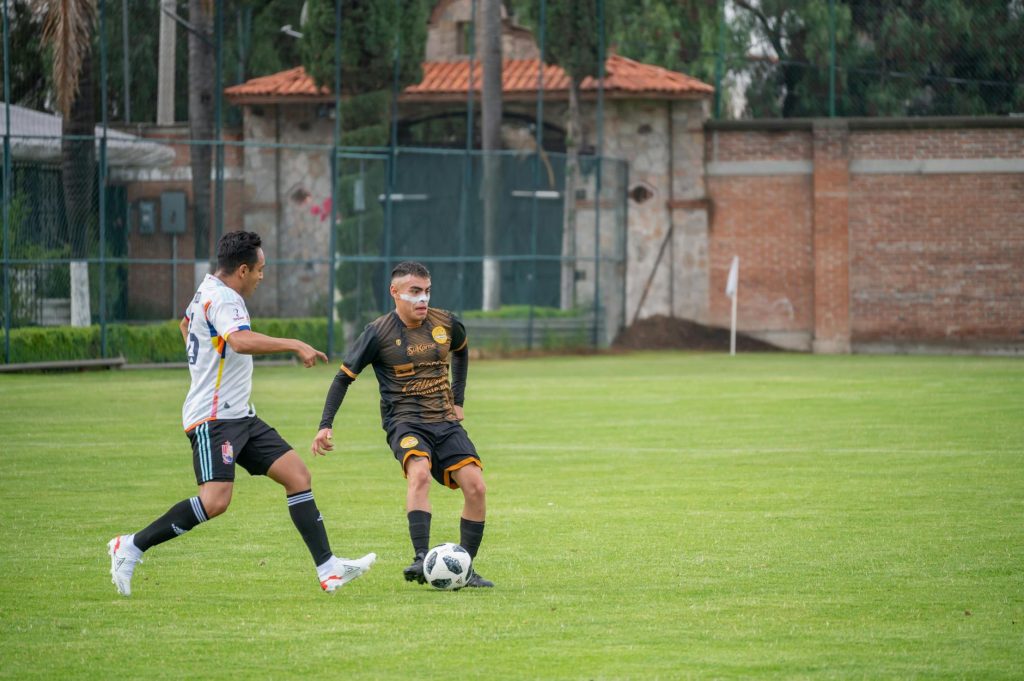
It might sound unbelievable, but the very foundations of football in Mexico were laid not by Spanish conquistadors, but by hardworking miners from the rugged coast of Cornwall, England. As Mexico gears up to make history as the first nation to co-host the FIFA World Cup for a third time, a fascinating tale of a global sport’s unlikely origins in a distant land emerges.
The Unexpected Arrival of the Beautiful Game
The story begins in the late 19th century. British companies, deeply involved in Mexico’s burgeoning mining industry, brought over skilled workers, and among them were many Cornishmen. These were men who, in their homeland, lived and breathed football. They didn’t just bring their expertise in extracting minerals; they brought their passion for the game, setting up teams and playing matches in their spare time. These early encounters, often informal, planted the seeds of what would become Mexico’s most beloved sport.
From Mining Towns to National Obsession
The influence of these Cornish immigrants was profound. They established some of the earliest football clubs in mining towns like Hidalgo and Real del Monte. These clubs became the bedrock of Mexican football, nurturing talent and spreading the sport’s popularity. What started as a pastime for a small community gradually captured the imagination of the wider Mexican population, evolving into the national obsession it is today. The intricate passing game, the defensive formations – traces of this early Cornish influence can be seen even in modern Mexican football strategy.
Lessons for India’s Sporting Aspirations
For India, a nation with a rich sporting heritage but still striving for global footballing recognition, this story holds a unique appeal. It reminds us that sporting traditions can travel and take root in unexpected places, transforming cultures and communities. It underscores the importance of grassroots development and the power of passion in building a sporting legacy. As India continues to invest in its football infrastructure and talent, understanding how a distant game became integral to Mexican identity can offer valuable insights into fostering our own footballing future and perhaps even inspire a similar journey of discovery for our athletes on the world stage.