
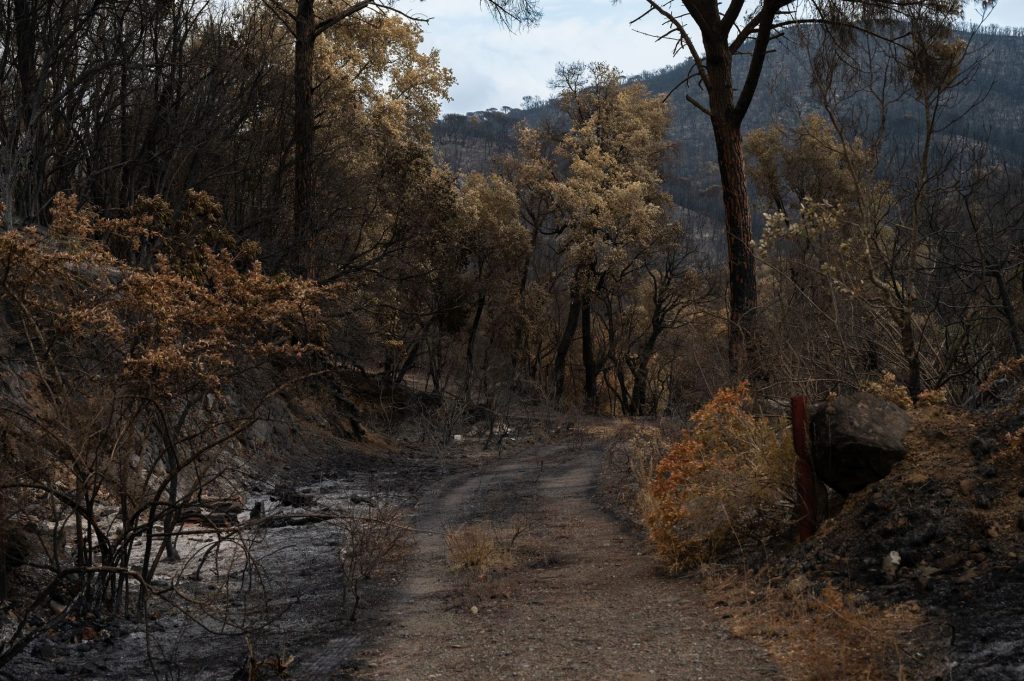
Is Croatia battling one of its worst fires ever? Sadly, the answer is yes. A massive wildfire has erupted near the coastal town of Omis, causing widespread panic and destruction. Reports indicate that dozens of people have been injured, and a staggering number of residents – in the thousands – have been forced to abandon their homes to escape the relentless flames.
A Town Under Siege
This isn’t just any fire; officials are calling it one of the most severe blazes Croatia has witnessed in its history. The inferno is believed to have started close to Omis, a popular tourist spot on the Adriatic coast. Strong winds are fanning the flames, making it incredibly difficult for firefighters to bring it under control. The speed at which the fire is spreading is terrifying, engulfing everything in its path and leaving behind a trail of smoke and devastation.
Evacuation Chaos and Injuries
Imagine the fear as you see flames approaching your doorstep. That’s the reality for thousands of people in and around Omis. Emergency services have been working around the clock to evacuate residents, often under harrowing conditions. The injured, thankfully, are receiving medical attention, but the sheer scale of the displacement is a major concern. Homes, businesses, and natural landscapes are all at risk, and the long-term impact on the community is yet to be fully understood.
Why This Matters to Us
While this is happening in Croatia, the images of destruction and the stories of people losing their homes resonate deeply. Wildfires are a stark reminder of the growing impact of climate change and the vulnerability of communities to extreme weather events. For us in India, where many regions are also susceptible to heatwaves and fires, this serves as a crucial wake-up call. It highlights the importance of disaster preparedness, efficient firefighting resources, and collective efforts to protect our environment.
As rescue and firefighting operations continue, the focus will now shift to recovery and rebuilding. The resilience of the Croatian people will be tested, and the international community will be watching. This event underscores the interconnectedness of our world and the shared responsibility we have in tackling environmental crises.