
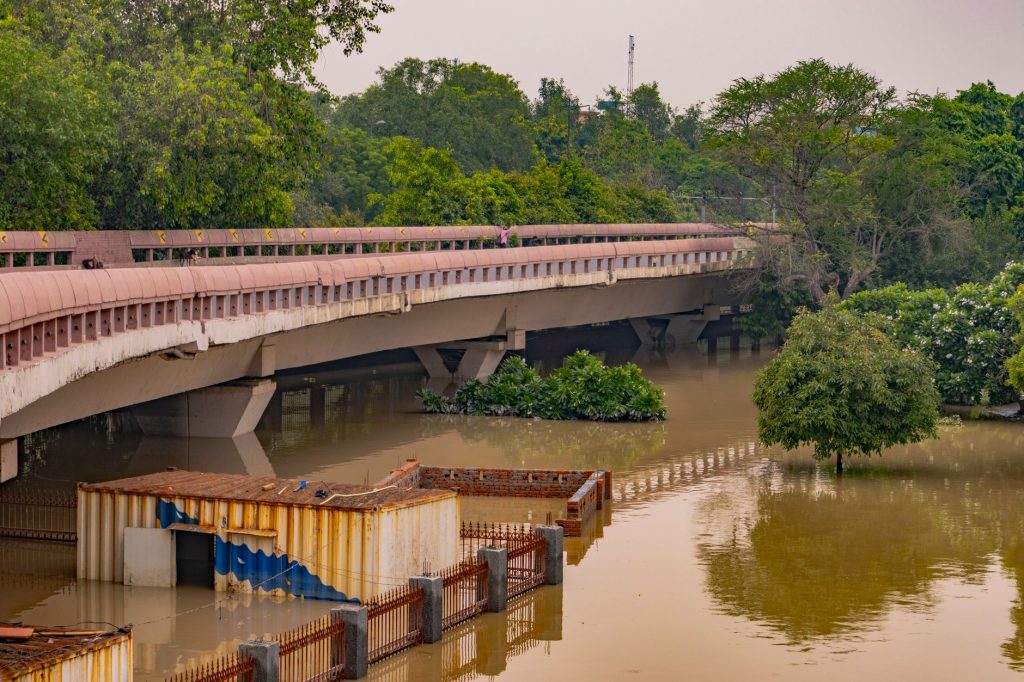
Delhi woke up to a much-needed respite today as rain lashed the city, bringing down the sweltering temperatures. The much-anticipated downpour has offered a welcome break from the heatwave that has gripped the capital, making life difficult for residents.
Monsoon Magic Arrives
The India Meteorological Department (IMD) has issued a Yellow Alert for the city, indicating moderate to heavy rainfall in various parts. This signifies the active presence of the monsoon, which has been delayed in some regions but is now making its presence felt across North India. The rain is expected to continue for the next few days, bringing much-needed relief from the oppressive humidity and high temperatures.
Impact on Daily Life
The sudden change in weather has had an immediate impact on daily life in Delhi. While the rain has brought relief from the heat, it has also led to waterlogging in several low-lying areas, causing traffic disruptions. Commuters are advised to exercise caution and plan their journeys accordingly. For many, however, the sound of rain and the cooler air is a welcome change, offering a chance to step out without the discomfort of intense heat.
The agricultural sector, particularly in the surrounding states, will also benefit significantly from this rainfall. Timely monsoon showers are crucial for crop sowing and growth, and this rain comes as a blessing for farmers who have been anxiously awaiting it. The IMD’s forecast suggests that the monsoon activity is likely to intensify in the coming days, further boosting water reserves and providing much-needed moisture to the parched land.
What Lies Ahead
The Yellow Alert signifies that citizens should stay updated on weather conditions and take necessary precautions. While the rain is a welcome development, it’s important to be prepared for potential challenges like waterlogging and traffic jams. The IMD will continue to monitor the situation closely and provide further updates. This spell of rain is a crucial step towards normalizing weather patterns after a period of intense heat, and its continuation will be key to managing water resources and ensuring agricultural stability.