
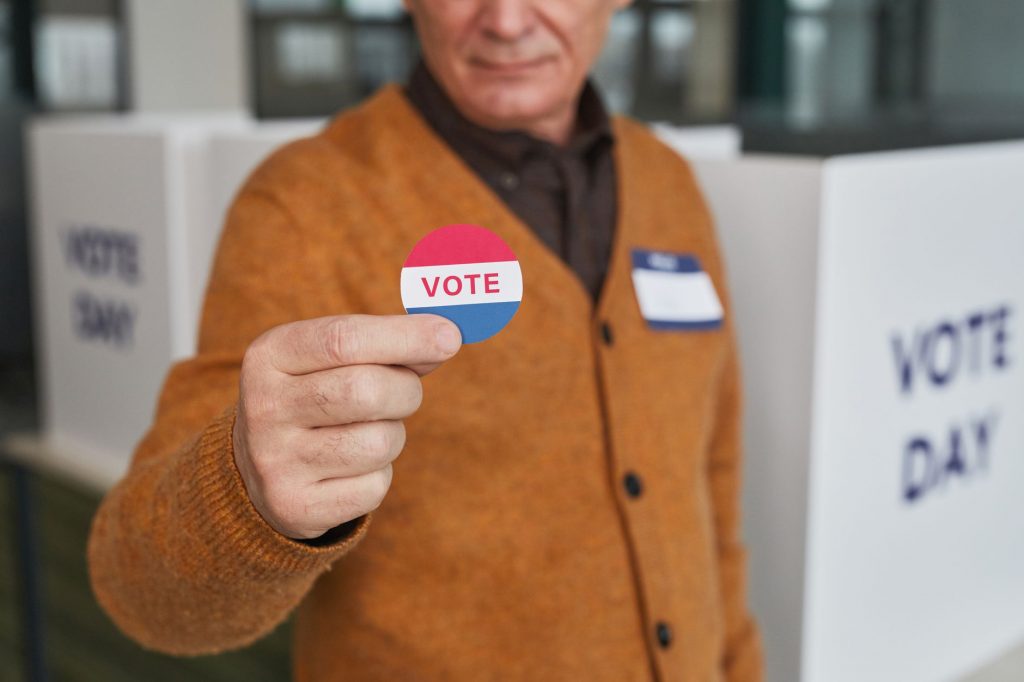
In a startling revelation that has ignited a political firestorm, nearly 47 lakh names have been systematically removed from Delhi’s electoral rolls following a recent revision exercise. This massive deletion has triggered sharp criticism from Chief Minister Arvind Kejriwal, who has openly questioned the timing and intent behind the purge, suggesting a potential political motive.
Massive Electoral Roll Revision Sparks Controversy
The Election Commission of India’s recent drive to update and purify the voter list in the national capital has resulted in an unprecedented number of deletions. While the EC typically undertakes such exercises to ensure accuracy and remove deceased or relocated voters, the sheer scale of this removal has raised eyebrows. Officials cite the process of verifying voter details and removing duplicates or those who have moved out of the constituency as the primary reasons for the extensive pruning. However, the timing, coming as it does ahead of crucial elections, has fueled speculation and accusations of deliberate disenfranchisement.
Kejriwal’s Sharp Retort and Political Fallout
Chief Minister Arvind Kejriwal did not mince words, launching a scathing attack on the Election Commission and the central government. He alleged that the removal of such a significant number of voters, particularly from specific areas, could be a calculated move to influence electoral outcomes. The Aam Aadmi Party (AAP) has voiced concerns that this could disproportionately affect certain communities and voter segments. The Chief Minister’s jibe has amplified the political sensitivity of the issue, turning it into a major talking point in Delhi’s political landscape. The AAP is demanding transparency and a thorough investigation into the deletion process.
Implications for Delhi’s Electorate
The significant reduction in the voter count has tangible implications for the upcoming electoral battles in Delhi. For political parties, it means a recalibration of their strategies, focusing on reaching and re-registering potentially affected voters. For citizens, it serves as a stark reminder of the importance of staying updated on their electoral status. This incident underscores the need for constant vigilance from voters to ensure their names remain on the rolls and highlights the critical role of the Election Commission in maintaining a fair and impartial electoral process. The controversy is likely to persist, with citizens and political parties alike demanding accountability and clarity.