
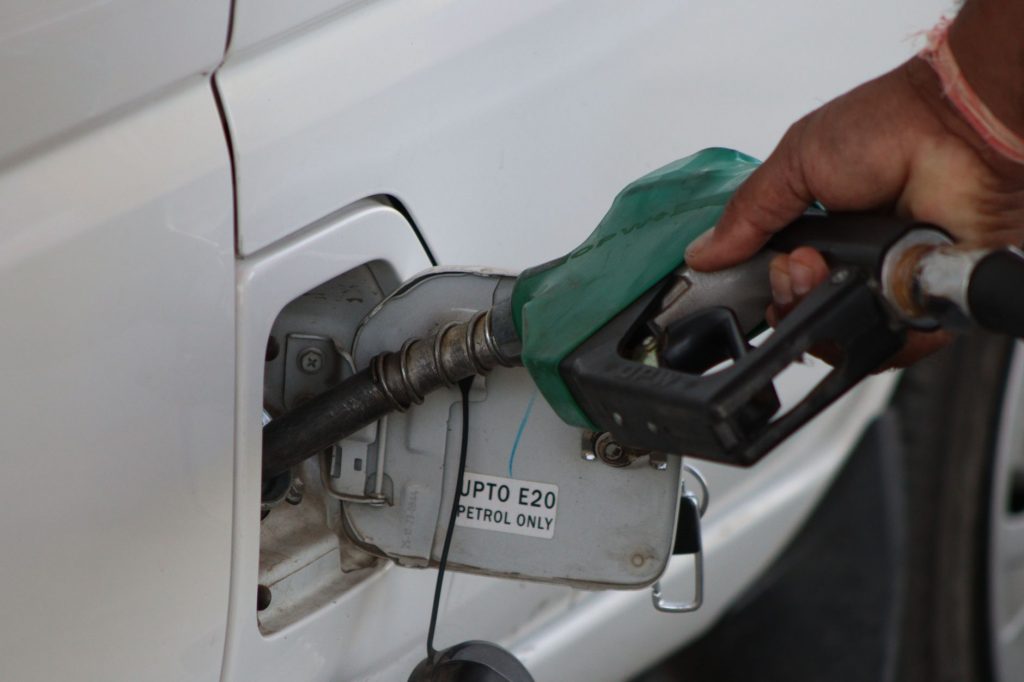
Think it’s too early to bid adieu to your trusty old petrol-powered vehicle? You’re not alone. Millions of Indians rely on their cars for daily commutes, but the increasing focus on electric vehicles has raised concerns about whether it’s time to switch.
Recently, Union Road Transport and Highways Minister Nitin Gadkari sparked a debate when he suggested that those who don’t want to opt for E20 fuel can choose to use pure petrol instead. But what does this mean for Indian car owners?
Fuel Options in India: What’s Available?
Currently, India’s fuel market offers a range of options to consumers, including petrol, diesel, and various blends of ethanol-based fuels like E10 and E20. E20, also known as 20% ethanol-blended petrol, has become increasingly popular in recent years due to the government’s push for ethanol-based fuels.
However, not everyone is convinced about the benefits of E20. Some argue that it affects the performance of vehicles, especially older models, while others are concerned about the availability and quality of ethanol in the fuel.
Gadkari’s suggestion to opt for pure petrol instead of E20 has been met with interest from some car owners, especially those who rely on their vehicles for daily use. But what exactly are the options available in the market, and how do they compare to E20?
According to data from the Petroleum Planning and Analysis Cell (PPAC), India’s major oil marketing companies (OMCs) such as Indian Oil, Bharat Petroleum, and Hindustan Petroleum currently offer E20 fuel at select pumps across the country. However, pure petrol is still widely available at most fuel stations, and some OMCs even offer premium petrol options with higher octane ratings.
The Pros and Cons of E20 and Pure Petrol
So, what are the advantages and disadvantages of E20 and pure petrol? E20 has been touted as a more eco-friendly alternative to traditional petrol, as it reduces greenhouse gas emissions and dependence on imported oil. Additionally, the cost of E20 is generally lower than pure petrol, making it an attractive option for consumers.
However, some car owners have reported issues with E20, such as decreased fuel efficiency and engine performance problems. In contrast, pure petrol is often considered a better option for older vehicles or those with specific engine requirements, as it provides a cleaner and more consistent fuel source.
Experts argue that the choice between E20 and pure petrol ultimately depends on individual circumstances and preferences. While E20 may be a good option for those with newer vehicles and a willingness to adapt to a more eco-friendly fuel source, pure petrol may be a better choice for those who prioritize performance and reliability.
As the Indian government continues to push for ethanol-based fuels, it’s clear that car owners have a range of options to choose from. Whether it’s E20 or pure petrol, consumers can make informed decisions based on their individual needs and preferences.
Expert Context: What’s Next for India’s Fuel Market?
According to industry experts, the Indian fuel market is likely to undergo significant changes in the coming years, driven by government policies and increasing demand for eco-friendly fuels. As the country aims to reduce its dependence on imported oil and mitigate climate change, the role of ethanol-based fuels like E20 is expected to grow.
However, experts also warn that the transition to E20 and other eco-friendly fuels will require significant investments in infrastructure and education. Consumers will need to be aware of the benefits and drawbacks of different fuel options, as well as the impact on their vehicles and the environment.
In conclusion, while Gadkari’s suggestion to opt for pure petrol instead of E20 has sparked debate, it’s clear that car owners have a range of options to choose from. As the Indian fuel market continues to evolve, consumers can expect more choices and better options in the future.