
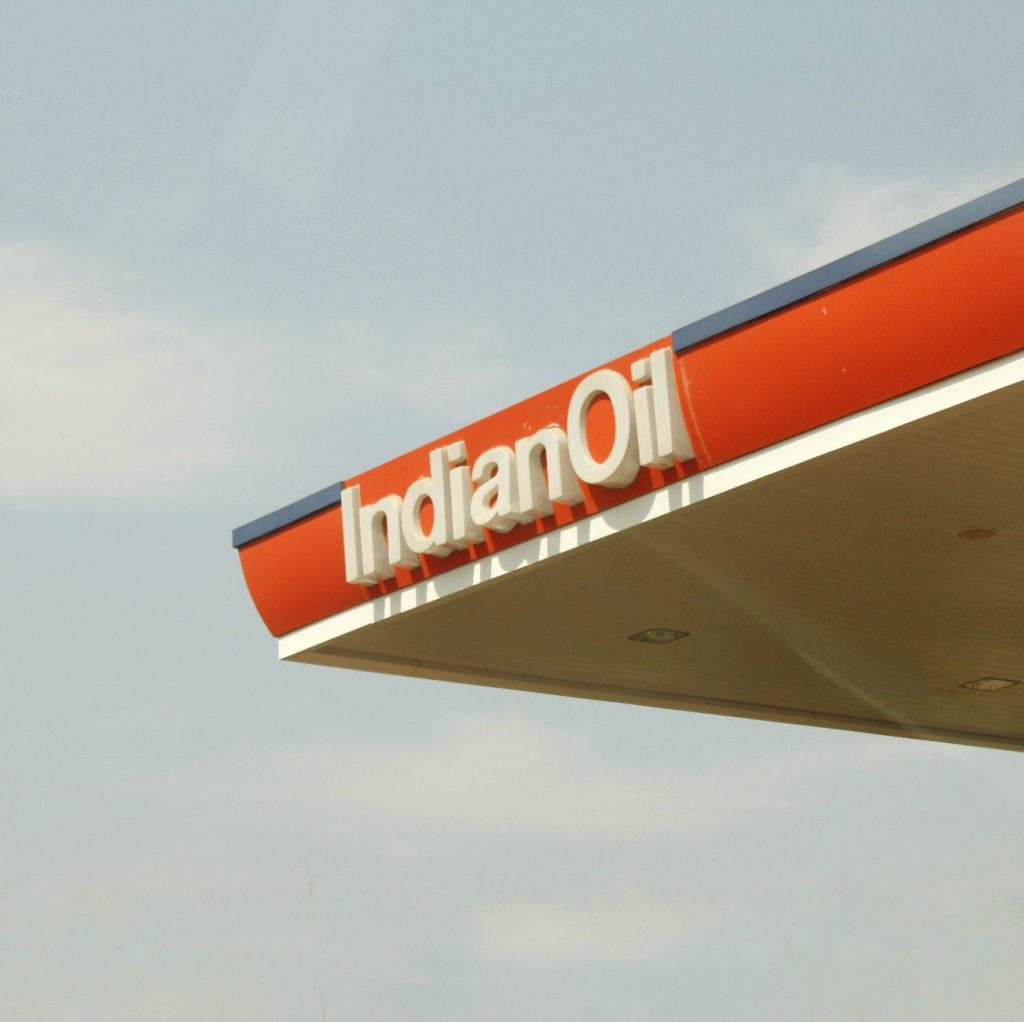
India’s ambitious E100 fuel plan has hit a roadblock with the country’s fuel stations struggling to keep up with the demand for ethanol-blended petrol. The government’s target of introducing 100% ethanol-blended petrol (E100) by 2026 is now at risk as the fuel pumps are not yet ready to dispense the new fuel.
The E100 program aims to reduce India’s dependence on imported crude oil and mitigate the impact of climate change. However, the plan requires fuel stations to be equipped with the necessary infrastructure to handle the new fuel. But with only a few thousand fuel pumps out of over 70,000 in the country currently capable of dispensing E100, the government’s deadline is looking increasingly unlikely.
Industry experts say the delay is due to a lack of investment in the infrastructure, coupled with the high cost of upgrading existing fuel pumps. ‘The cost of upgrading a single fuel pump is around Rs 20 lakh, which is a significant outlay for many small-time fuel retailers,’ said a senior industry executive. ‘This, coupled with the lack of clear policy guidelines, has led to a delay in the roll-out of E100,’ he added.
What’s Holding Up the E100 Roll-Out?
According to government data, only 3,500 fuel stations out of over 70,000 in the country are currently capable of dispensing E100. This is despite the government’s efforts to incentivize fuel retailers to upgrade their infrastructure. The government has offered a subsidy of up to Rs 1.50 per liter for fuel retailers who upgrade their pumps to handle E100.
However, industry experts say the subsidy is not enough to encourage fuel retailers to invest in the necessary infrastructure. ‘The subsidy is a good start, but it’s not enough to offset the high cost of upgrading fuel pumps,’ said another industry executive. ‘We need a more robust policy framework that incentivizes fuel retailers to invest in the necessary infrastructure,’ he added.
The Impact of Delayed E100 Roll-Out
Delays in the E100 roll-out are likely to have a significant impact on India’s efforts to reduce its dependence on imported crude oil. India is the world’s third-largest consumer of crude oil and imports around 80% of its requirements. With the global crude oil prices on the rise, the delay in the E100 roll-out is likely to increase India’s import bill.
The delayed roll-out of E100 is also likely to have a negative impact on the environment. Ethanol-blended petrol is a cleaner fuel than regular petrol and produces fewer greenhouse gas emissions. By delaying the roll-out of E100, India is missing out on an opportunity to reduce its carbon footprint.
The government is now under pressure to expedite the roll-out of E100 and ensure that all fuel stations are equipped to handle the new fuel. ‘We need to work with the fuel retailers to expedite the roll-out of E100 and ensure that all fuel stations are equipped to handle the new fuel,’ said a government official. ‘We also need to provide more incentives to fuel retailers to invest in the necessary infrastructure,’ he added.
As the government works to expedite the roll-out of E100, industry experts say it’s essential to have a clear policy framework in place to support the program. ‘We need a robust policy framework that incentivizes fuel retailers to invest in the necessary infrastructure,’ said another industry executive. ‘We also need to ensure that the E100 program is implemented in a way that benefits all stakeholders, including fuel retailers, consumers, and the environment,’ he added.