
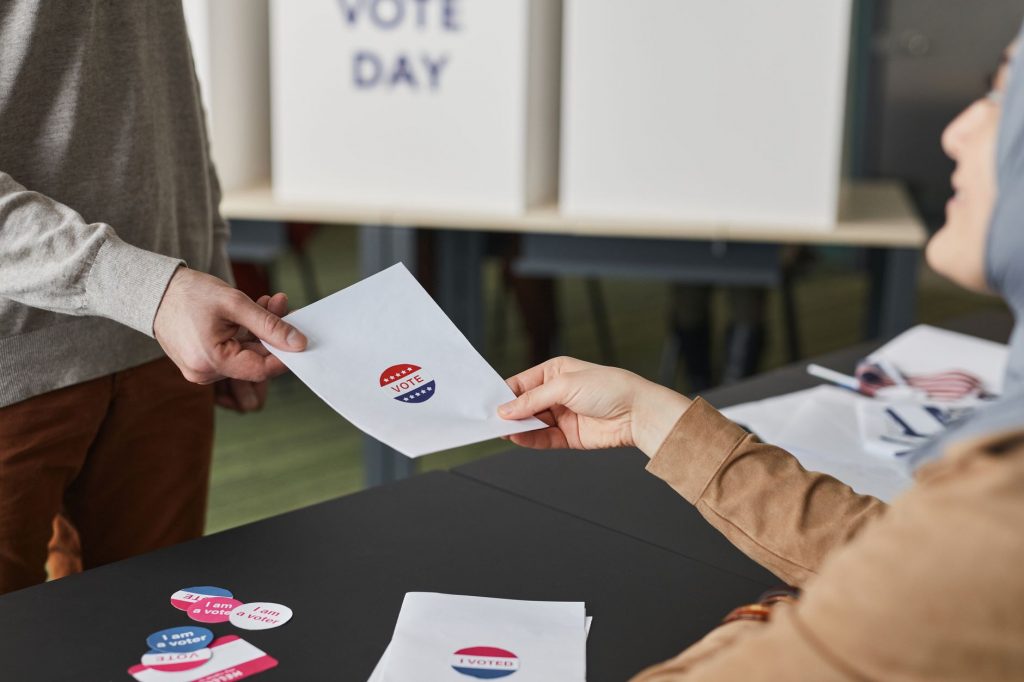
The Chief Election Commissioner, Gyanesh Kumar, recently highlighted the dynamic nature of India’s electoral rolls, stating that they are a living document that evolves with time.
The electoral rolls in India are no longer static; they are now a dynamic reflection of the country’s ever-changing population. With a significant number of Indians moving to urban areas, or changing their names due to marriage, conversion, or other personal reasons, the electoral rolls have become an essential tool for the Election Commission to ensure the accuracy and credibility of the electoral process.
Why Does This Matter?
The dynamic nature of India’s electoral rolls is crucial for several reasons. Firstly, it ensures that the electoral process remains inclusive and representative of the country’s diverse population. With a constantly changing population, the electoral rolls must also adapt to reflect these changes.
Secondly, the dynamic nature of the electoral rolls helps to prevent electoral malpractices such as duplicate or fake voter registrations, which can compromise the integrity of the electoral process. By regularly updating the electoral rolls, the Election Commission can ensure that only genuine voters are able to cast their ballots.
Thirdly, the dynamic nature of the electoral rolls also enables the Election Commission to identify areas where voter registration is low or lacking, allowing them to take targeted measures to increase voter participation and ensure that all eligible citizens have the opportunity to exercise their right to vote.
The process of updating the electoral rolls is an ongoing one, with the Election Commission regularly conducting electoral rolls revision exercises to ensure that the data remains accurate and up-to-date. This includes verifying voter details, detecting and removing duplicate or fake registrations, and adding new voters who have turned 18 and are eligible to vote.
Through this process, the Election Commission aims to create a more accurate and inclusive electoral roll, which is a crucial component of a healthy democracy. By ensuring that the electoral rolls reflect the changing demographics of the country, the Election Commission can help to build trust in the electoral process and ensure that the voices of all citizens are heard.
What’s Next?
As the electoral rolls continue to evolve and adapt to India’s changing population, the Election Commission will need to remain vigilant and proactive in ensuring the accuracy and integrity of the electoral process. This includes ongoing efforts to update the electoral rolls, detect and prevent electoral malpractices, and increase voter participation.
By working together with state governments, civil society organizations, and other stakeholders, the Election Commission can help to create a more inclusive and representative electoral process that reflects the diversity and complexity of India’s population.