
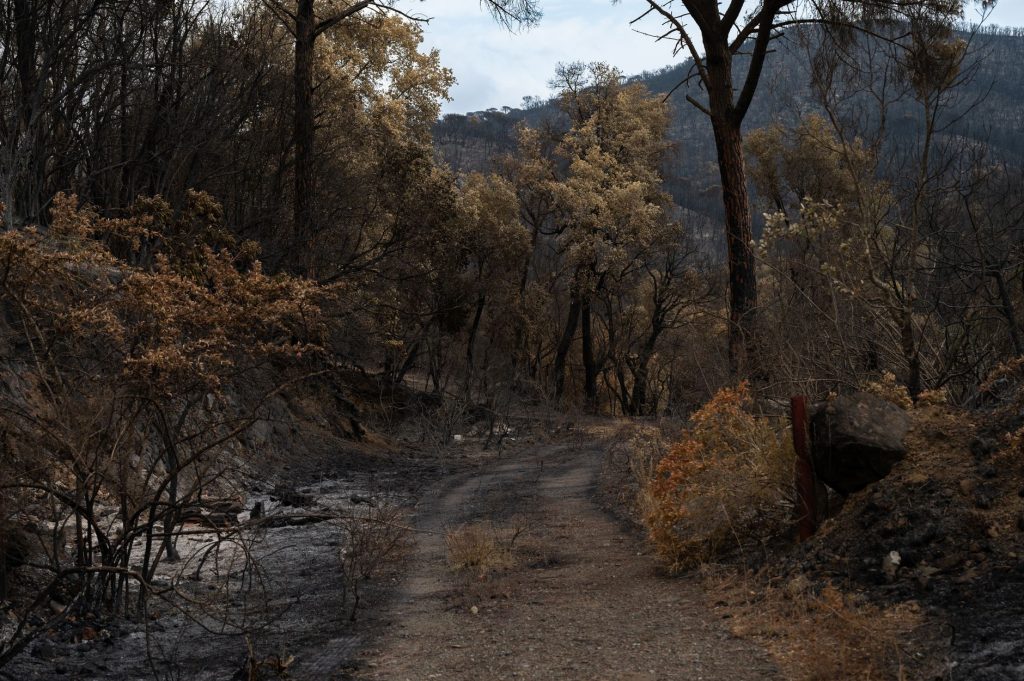
Europe is battling unprecedented wildfires, with infernos engulfing vast swathes of land in France and Spain. A single blaze near Bordeaux has scorched over 162 square miles (420 sq km) in just four days, forcing thousands to flee their homes. Meanwhile, the Madrid region is experiencing its most severe fire season on record, with flames threatening communities and precious natural reserves.
These fires are not isolated incidents but part of a disturbing trend linked to rising global temperatures and prolonged heatwaves. The parched landscapes, exacerbated by dry conditions, are becoming tinderboxes, making fires spread with terrifying speed and intensity. The ecological damage is immense, destroying habitats and threatening biodiversity, while the human cost includes displacement and the destruction of livelihoods.
Battling the Blaze
Firefighters across Europe are working tirelessly under extreme conditions to contain these raging infernos. International cooperation is crucial, with resources and personnel being shared between affected nations. Advanced techniques, including aerial water bombing and coordinated ground efforts, are being deployed. However, the sheer scale and ferocity of the fires are stretching resources thin, highlighting the immense challenge faced by emergency services.
Looking Ahead
The ongoing crisis underscores the urgent need for a global response to climate change. Experts warn that such devastating fire seasons are likely to become more frequent and intense if drastic action isn’t taken. While immediate efforts focus on dousing the current blazes, long-term strategies involving forest management, fire prevention education, and a commitment to reducing carbon emissions are vital to mitigate future disasters. The resilience of affected communities will be tested as they rebuild and adapt to a changing climate.