
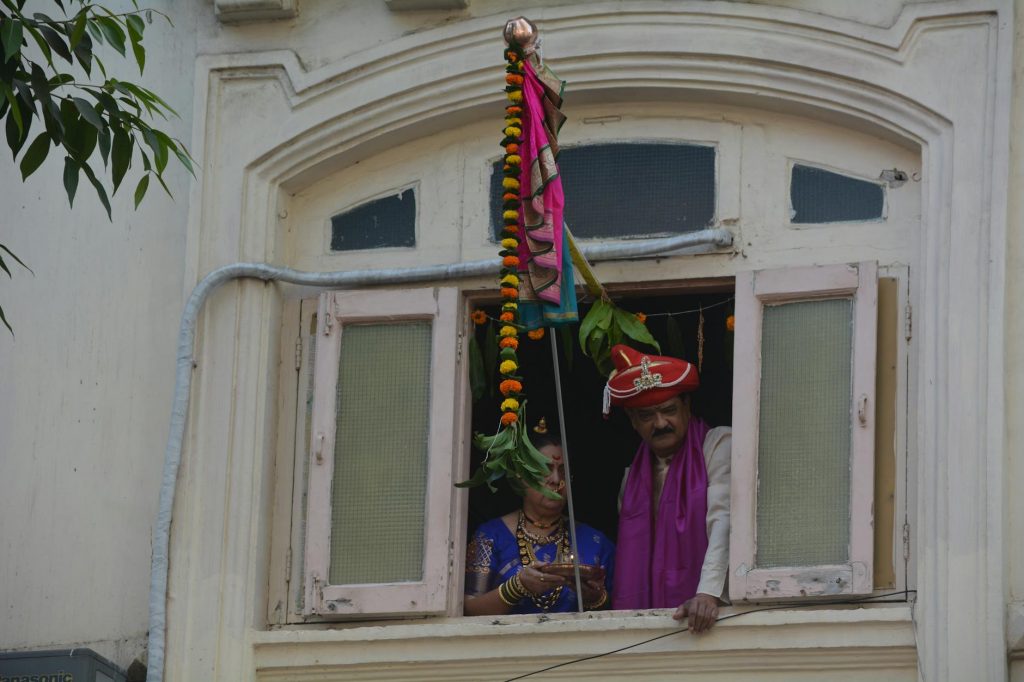
It’s that time of year again when Maharashtra bursts into color and celebration. Gudi Padwa—the Marathi New Year—brings families together, decorates homes with rangoli, and fills streets with processions. This year, Maharashtra’s Chief Minister Devendra Fadnavis joined the festivities in full spirit.
The CM participated in the shobha yatra, or grand procession, organized in Nagpur to mark the auspicious occasion. Walking through the streets alongside residents, Fadnavis greeted crowds and soaked in the festive energy that defines this important festival for Maharashtrians.
A Show of Cultural Connection
Gudi Padwa holds special significance in Maharashtra’s calendar. The festival marks the Hindu New Year and celebrates the Marathi harvest season. Traditionally, families hoist the Gudi—a colorful bamboo pole decorated with flowers and a cloth—outside their homes as a symbol of prosperity and good fortune.
By joining the procession, Fadnavis sent a clear message about the government’s commitment to preserving and celebrating Maharashtra’s cultural heritage. Such public appearances at festivals help political leaders connect with grassroots communities on shared values rather than just political platforms.
Why Gudi Padwa Still Matters
Despite rapid urbanization and digital lifestyles, festivals like Gudi Padwa continue to bind Maharashtrian society together. Neighborhoods organize grand processions with traditional music, folk performances, and elaborate floats. The celebrations often reflect regional pride and reinforce community bonds.
When state leaders participate in these events, it amplifies their reach and reminds people that cultural traditions deserve official recognition and protection. Nagpur, being the symbolic winter capital of Maharashtra, holds extra importance for such celebrations.
The procession likely featured traditional elements—drums, decorative floats, and the enthusiastic participation of local residents. Such events also attract tourists and help promote Maharashtra’s tourism sector, turning cultural celebration into economic activity.
These moments matter more than people realize. In a country as diverse as India, where festival calendars vary dramatically by region and religion, a CM’s presence at community celebrations signals respect for local identity. It’s a reminder that despite political differences, there’s common ground in shared cultural pride.
As Maharashtra gears up for more festive seasons ahead, such initiatives will likely continue to strengthen the bond between governance and grassroots culture. For residents of Nagpur and across Maharashtra, seeing their Chief Minister participate in age-old traditions reinforces that their heritage remains valued at the highest levels of government.