
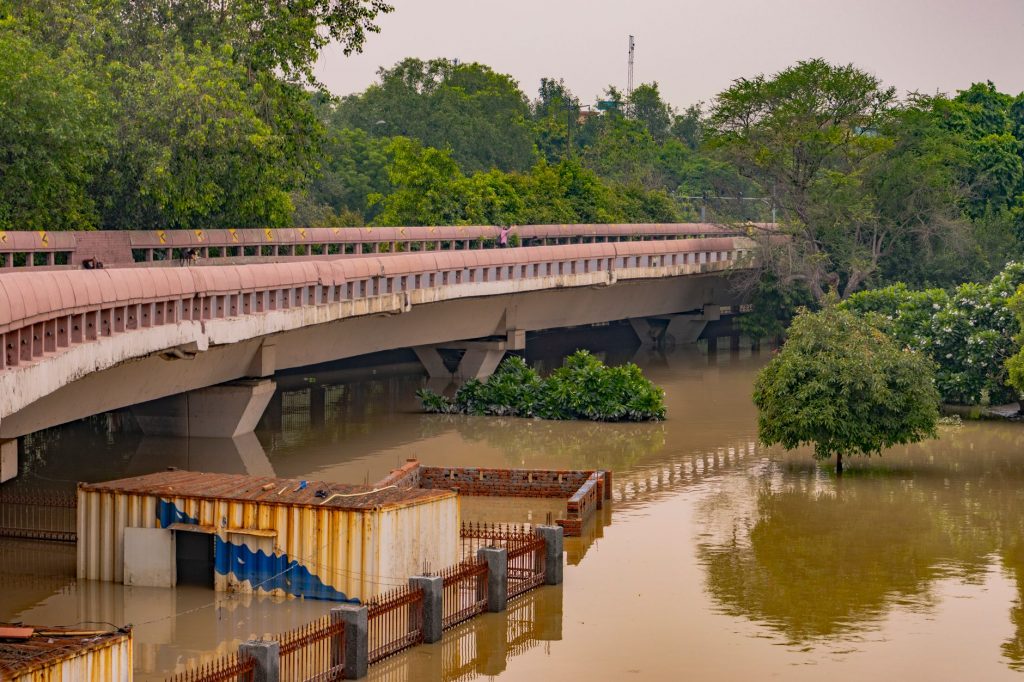
Heavy Rain Drenches North India, Brings Death and Destruction
Severe flooding has struck parts of Delhi, Ghaziabad, and Gurgaon, leaving thousands stranded and without access to basic necessities. The situation remains grim, with authorities scrambling to provide relief to those affected. Meanwhile, in Kerala’s Wayanad district, the death toll from the recent floods has risen to four, with many more feared trapped in the deluge.
As the rain continues to pour down, residents in Delhi, Ghaziabad, and Gurgaon are facing an unprecedented crisis. With water levels rising rapidly, many homes and businesses have been inundated, leaving families without a roof over their heads. The situation is particularly dire in low-lying areas, where the rapid rise in water levels has caught residents off guard.
The cause of the flooding is attributed to the unseasonal rains that have been battering North India for the past few days. Weather experts have warned of more heavy rain in the coming days, which could exacerbate the situation further. In Wayanad, the situation is equally dire, with the district collector reporting that several villages have been completely cut off due to the flooding.
With the situation showing no signs of abating, the authorities are working tirelessly to provide relief to those affected. In Delhi, the government has set up relief camps for those displaced by the floods, while in Ghaziabad and Gurgaon, the administration is working to clear the waterlogged streets and restore basic services. In Wayanad, the Kerala government has deployed teams to search for those trapped in the deluge.
The aftermath of the floods will have a significant impact on the economy and daily life in these affected areas. With many businesses and homes destroyed, the road to recovery will be long and arduous. Furthermore, the psychological impact on those affected cannot be overstated, with trauma and stress likely to be long-lasting. As the situation slowly begins to return to normal, the focus will shift to rebuilding and recovery, with the government and community coming together to support those affected.
Floods in North India: A Growing Concern
The recent floods in Delhi, Ghaziabad, and Gurgaon are a stark reminder of the growing concern of climate change in North India. Rising temperatures and changing weather patterns have made the region more prone to extreme weather events like flooding. As the region continues to experience more frequent and intense floods, the need for effective disaster management strategies becomes more pressing.
Furthermore, the floods highlight the need for sustainable urban planning and development. Cities like Delhi, Ghaziabad, and Gurgaon are growing rapidly, with many areas being developed without adequate infrastructure to handle the increased pressure. This has led to the creation of flood-prone areas, which are vulnerable to extreme weather events.
As the region continues to grapple with the aftermath of the floods, it is essential to address the underlying issues that have led to this crisis. By working together, the government, community, and experts can develop effective solutions to mitigate the impact of floods and ensure that the region is better equipped to handle future extreme weather events.
What’s Next for the Affected Areas?
The road to recovery will be long and challenging, but with the support of the government, community, and experts, the affected areas can rebuild and come back stronger. The government has announced a slew of measures to support those affected, including relief packages, compensation, and rehabilitation efforts. Furthermore, the community is coming together to provide support and aid to those in need.
As the situation slowly begins to return to normal, it is essential to reflect on the lessons learned from this crisis. The floods have highlighted the need for effective disaster management strategies, sustainable urban planning, and climate-resilient infrastructure. By learning from this experience, the region can develop more effective solutions to mitigate the impact of floods and ensure that the community is better protected in the future.