
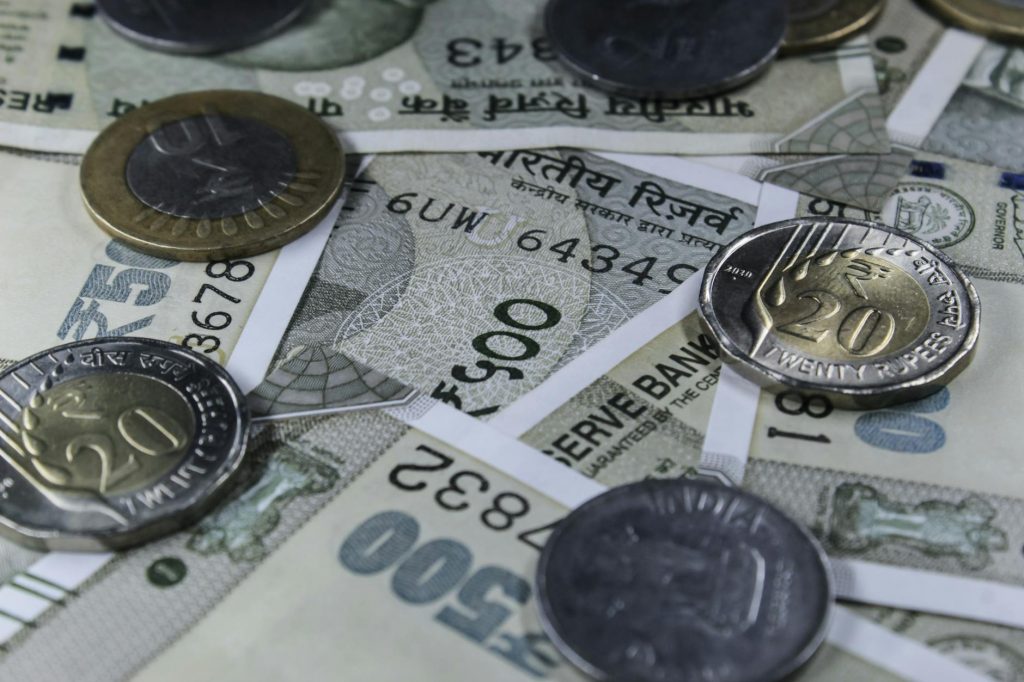
Imagine you’re planning a dream vacation to Europe, but you’re worried about the exchange rate affecting your hard-earned rupees. What if you could travel without breaking the bank? For India, maintaining a healthy foreign exchange (forex) reserve is crucial in ensuring the same. The Reserve Bank of India (RBI) has just confirmed that our forex reserves remain strong, thanks to recent trade pacts and policy reforms.
The RBI has been closely monitoring the country’s forex reserves, which stand at a comfortable level. This is a welcome respite for India’s economy, which has been navigating its way through global economic uncertainties. With the recent trade agreements and policy changes, India’s external sector is expected to strengthen, paving the way for higher economic growth.
Why Are Forex Reserves Important?
Forex reserves act as a safety net for India’s economy. They help to maintain the value of the rupee, ensure stable inflation, and provide a cushion against external shocks. A robust forex reserve also attracts foreign investments, which can fuel economic growth.
The RBI’s decision to maintain adequate forex reserves comes at a critical juncture. India’s trade deficit has been a cause for concern, and the central bank has been working tirelessly to reduce it. The recent trade agreements, including the ones with the United States and the European Union, are expected to boost exports and reduce the trade deficit.
In addition to trade agreements, the RBI has also implemented policy reforms to strengthen the external sector. The central bank has liberalized several sectors, including defence and civil aviation, making it easier for foreign companies to invest in India. This, coupled with the government’s ‘Make in India’ initiative, is expected to attract more foreign investments and boost economic growth.
Experts Weigh In
Experts say that the RBI’s decision to maintain adequate forex reserves is a positive sign for India’s economy. ‘The RBI’s move to maintain a comfortable level of forex reserves is a testament to the country’s economic resilience,’ says Dr. Anurag Singh, an economist at a leading research institution. ‘The recent trade agreements and policy reforms will further strengthen the external sector, paving the way for higher economic growth.’
Another expert, Dr. Jayashree Watal, a trade expert, adds, ‘The RBI’s decision to maintain adequate forex reserves is a welcome move. It will help to maintain the value of the rupee, ensure stable inflation, and provide a cushion against external shocks.’
What’s Next?
So, what does this mean for you and me? A strong forex reserve means a stable economy, which is a boon for businesses and individuals alike. It also means that India is better equipped to navigate global economic uncertainties, ensuring a higher standard of living for its citizens. As India continues to navigate its way through the global economy, maintaining a healthy forex reserve will remain a top priority for the RBI.
In conclusion, the RBI’s decision to maintain adequate forex reserves is a positive sign for India’s economy. With recent trade agreements and policy reforms, the external sector is expected to strengthen, paving the way for higher economic growth. As India continues to grow, maintaining a healthy forex reserve will remain crucial in ensuring a stable economy and a higher standard of living for its citizens.