
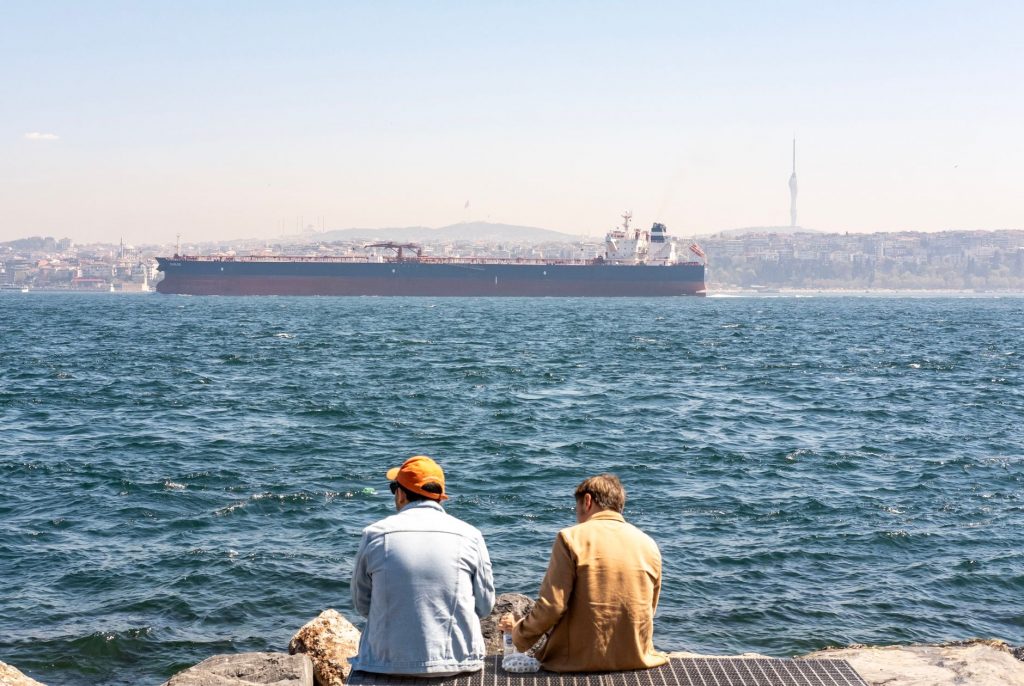
Imagine a vital shipping lane, like India’s own Suez Canal connection, suddenly facing uncertainty. That’s the kind of global economic ripple effect being discussed as world leaders prepare for a crucial summit. French President Emmanuel Macron has announced that the upcoming G7 meeting will put the spotlight on Iran’s nuclear deal and the critical issue of reopening key maritime routes, particularly the Strait of Hormuz.
The Strait of Hormuz, a narrow waterway connecting the Persian Gulf to the open sea, is a major artery for global oil and gas shipments. Any disruption there could send shockwaves through energy markets, impacting prices at the pump even here in India. Macron’s call suggests a growing concern among major economies about the stability of the region and its implications for international trade and energy security.
Iran Deal Under Scrutiny
The fate of the Joint Comprehensive Plan of Action (JCPOA), commonly known as the Iran nuclear deal, is expected to be a significant agenda item. The deal, aimed at curbing Iran’s nuclear ambitions in exchange for sanctions relief, has been a point of contention for years. With renewed tensions in the Middle East, the G7 leaders will likely assess the current state of the agreement and explore potential pathways forward, whether that involves reviving it or considering alternative diplomatic approaches.
Securing Vital Trade Routes
Beyond the nuclear accord, the reopening and secure passage through strategic straits, especially the Strait of Hormuz, is a paramount concern. Recent escalations in the region have raised fears of potential blockades or military confrontations, which could severely disrupt the flow of goods and energy. The G7 nations, representing some of the world’s largest economies, will be seeking to find common ground on how to ensure the unimpeded passage of vessels, crucial for maintaining global economic stability.
This discussion at the G7 level underscores the interconnectedness of global geopolitics and economics. For India, a major importer of oil and a nation heavily reliant on international trade routes, any developments concerning the Iran deal and the Strait of Hormuz will be closely watched. The summit’s outcomes could influence energy prices, regional security, and the broader international diplomatic landscape.