
Imagine being afraid to attend your place of worship. Or carrying a child for nine months only to face mistreatment during delivery. These aren’t hypothetical scenarios anymore—they’re happening right now across the globe, and the international community is raising alarms.
Synagogue Attacks on the Rise
Religious institutions worldwide are facing increasing security threats. Synagogues in particular have become targets of coordinated attacks in recent weeks, sparking fears among Jewish communities globally. These incidents represent a dangerous escalation in religious intolerance that affects people trying to practice their faith peacefully.
The timing matters here. As communal tensions rise across regions, vulnerable places like temples and prayer halls become flashpoints. Many communities are now installing better security measures, but experts say the real solution requires addressing the root cause—growing religious polarization.
Syria’s Hidden Human Rights Crisis
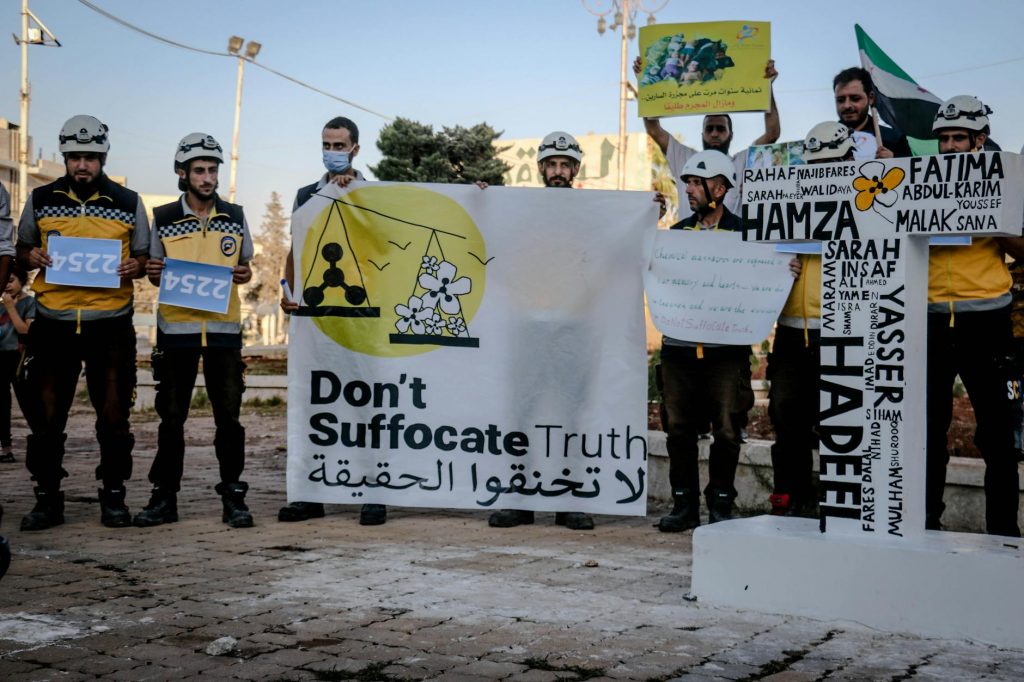
While Syria’s conflict might seem like old news, the violations continue relentlessly. Reports confirm that systematic abuse of civilians remains widespread, from arbitrary detention to torture and forced disappearances. Families still don’t know the fate of loved ones taken years ago.
What’s particularly troubling is how normalized this has become. International attention has shifted elsewhere, but Syrian civilians face daily rights violations. The UN continues documenting cases, but enforcement remains weak—a pattern that emboldens perpetrators.
Women’s Suffering During Childbirth
Here’s something many of us don’t talk about enough: the abuse pregnant women face in hospitals. From verbal humiliation to physical mistreatment during labor, shocking patterns have emerged globally. Some women report healthcare workers denying pain relief or behaving aggressively during one of life’s most vulnerable moments.
In many countries—including several with advanced healthcare systems—this happens regularly. Women from marginalized communities report particularly distressing experiences. This isn’t just about poor bedside manner; it’s systematic abuse that leaves lasting trauma.
For Indian readers, this resonates deeply. We’ve seen reports of maternal mistreatment in our own hospitals, especially in rural areas. The issue cuts across borders and income levels, highlighting a broader failure to protect vulnerable people when they need care most.
Why This Matters Now
These three crises—religious violence, ongoing state abuse, and healthcare brutality—share a common thread: widespread failure to protect basic human dignity. When governments don’t hold perpetrators accountable, it sends a signal that these violations are acceptable.
International organizations are documenting everything, but documentation alone doesn’t stop abuse. Real change requires pressure from citizens, governments taking action, and communities demanding accountability. As these crises persist, the question becomes: how long will the world watch before decisive action follows?