
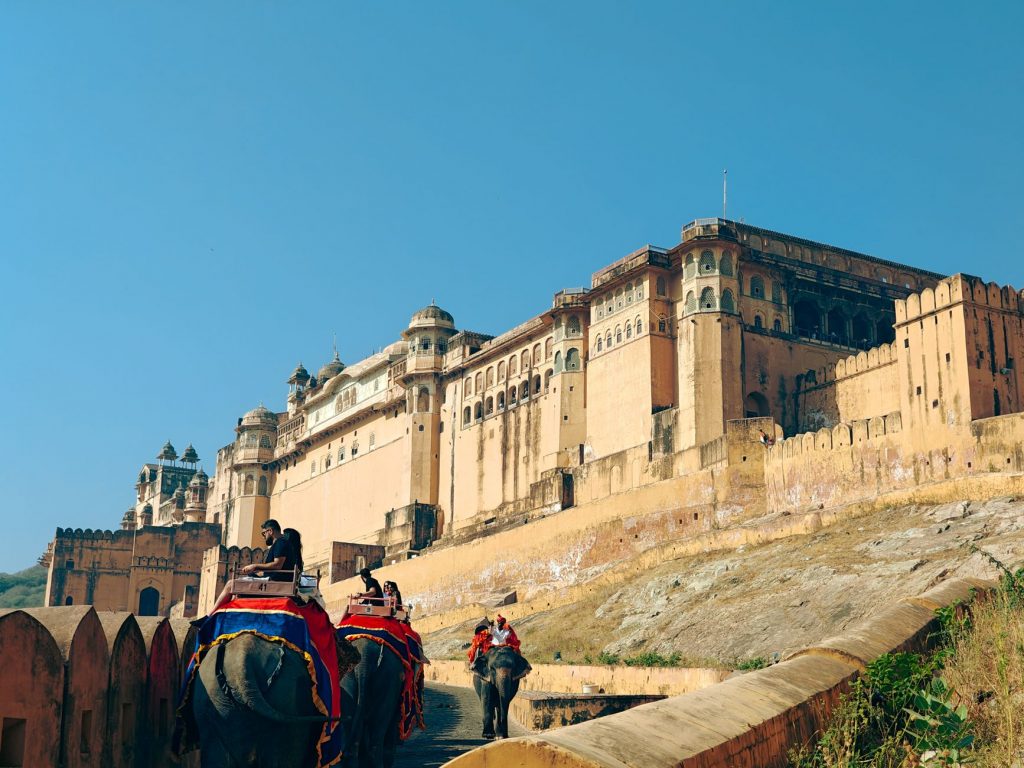
Are India’s picture-perfect landscapes a double-edged sword? As we scroll through social media, we’re often struck by the breathtaking beauty of Rajasthan’s arid landscapes, but have you ever wondered what lies beneath the surface?
While these viral images make us dream of a trip to the desert state, the environmental costs of preserving these picturesque landscapes are being masked by the allure of Instagram-perfect backdrops.
The Rise of Rajasthan’s Tourist Economy
Rajasthan has long been a favorite among tourists, with its rich history, colorful festivals, and majestic forts drawing millions to its doors every year. The state’s tourism industry has seen a significant surge in recent years, with a growing number of Indians and international visitors thronging to its cities and villages.
The popularity of destinations like Jodhpur, Jaipur, and Udaipur has led to a proliferation of hotels, resorts, and other tourism infrastructure, which in turn has fueled the growth of the local economy. However, this growth has come at a cost, with the environmental consequences of tourism taking a toll on the very landscapes that attract visitors in the first place.
From the iconic forts and palaces to the vast expanses of desert sand, Rajasthan’s unique landscape is threatened by the very activities that make it so appealing to tourists. The construction of hotels and resorts, the proliferation of air conditioning and other energy-intensive tourist infrastructure, and the increasing pressure on local water resources are all taking a heavy toll on the environment.
Take, for example, the city of Jodhpur, which has seen a massive influx of tourists in recent years. The city’s iconic Mehrangarh Fort, which attracts millions of visitors every year, is now surrounded by a sea of concrete and steel, with new hotels and resorts springing up to meet the demand for accommodation. While this may seem like a boon for the local economy, the environmental costs of this growth are significant, with the city’s water resources under increasing pressure and its air quality deteriorating rapidly.
The Human Cost of Tourism
But the human cost of tourism in Rajasthan goes beyond the environmental consequences. The rapid growth of the tourism industry has led to a significant influx of migrant workers, who are often exploited and underpaid by local contractors and hotel owners. The lack of proper infrastructure and amenities has also led to a range of health and sanitation issues, with many tourists and locals falling prey to water-borne and other diseases.
The situation is not unique to Jodhpur, with other cities and villages in Rajasthan also struggling to cope with the demands of tourism. From the overcrowding of popular destinations to the strain on local resources, the human cost of tourism in Rajasthan is a pressing issue that needs to be addressed.
So, what’s the solution? While it’s impossible to stop tourism in Rajasthan altogether, there are steps that can be taken to mitigate its impact on the environment and local communities. By promoting sustainable tourism practices, investing in renewable energy, and providing proper infrastructure and amenities for tourists and locals alike, we can ensure that the beauty of Rajasthan’s landscapes is preserved for future generations.
A Call to Action
As we continue to share and admire the breathtaking images of Rajasthan’s landscapes, let’s not forget the environmental and human costs of tourism in the state. By being more mindful of our impact and taking steps to mitigate it, we can ensure that the beauty of Rajasthan’s landscapes remains untouched for generations to come.
So, the next time you’re planning a trip to Rajasthan, consider staying in eco-friendly accommodations, using public transport, and respecting local customs and traditions. Together, we can make a difference and preserve the beauty of Rajasthan’s landscapes for future generations.