
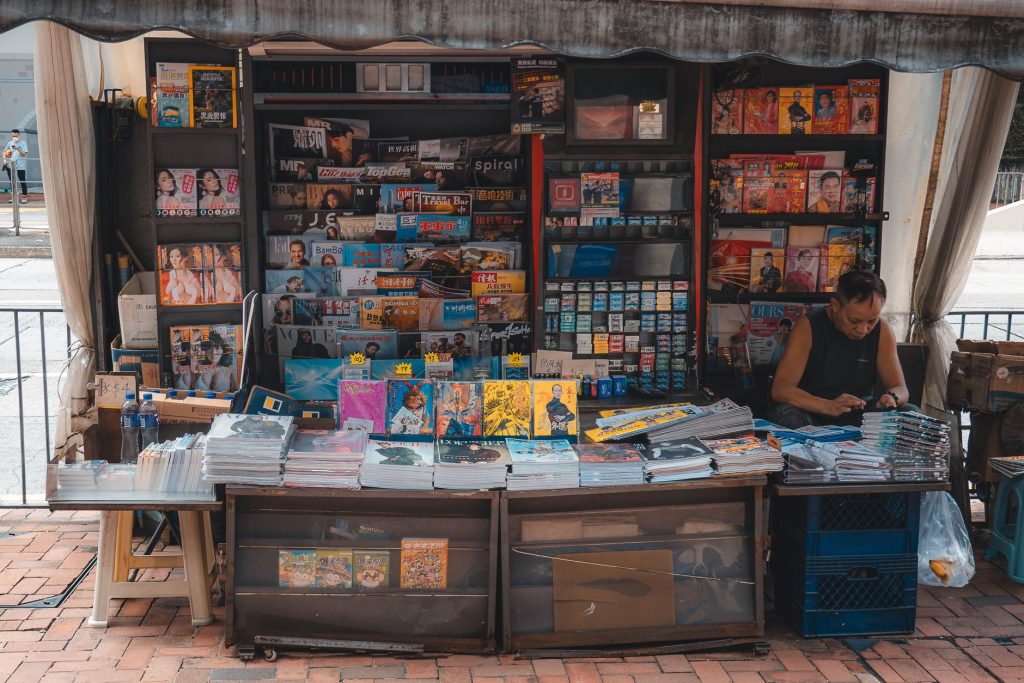
Imagine walking into a cozy neighbourhood bookstore in your city, the kind where the scent of paper and ink fills the air, and you can spend hours browsing shelves that hold not just bestsellers, but also diverse opinions and challenging ideas. For many of us in India, such places are cherished havens, offering a quiet escape and a chance to explore different perspectives. Now, picture this: for some readers from mainland China, similar independent bookstores in Hong Kong have served a crucial, albeit bittersweet, purpose – a rare portal to a world of thought and expression often restricted back home.
A Sanctuary of Uncensored Thought
These haven’t been just any bookshops. For years, Hong Kong’s vibrant independent literary scene, particularly its smaller, owner-run bookstores, have been a vital conduit for mainland Chinese citizens seeking literature that delves into sensitive topics, historical narratives, or philosophical debates that are often absent or heavily curated within China’s tightly controlled publishing landscape. These establishments, often tucked away in bustling districts, offered a tangible space where one could hold a book, flip through its pages, and engage with ideas that challenged the prevailing narrative. It was a subtle, yet profound, act of intellectual exploration, a quiet rebellion against information scarcity.
The Closing of Doors
However, this crucial window is rapidly shutting. Recent reports indicate a worrying trend of these independent bookstores in Hong Kong facing mounting pressures, leading to their closure. The reasons are complex, but often cited are the prevailing political climate and increased regulatory scrutiny, making it increasingly difficult for these businesses to operate. For the mainland readers who relied on them, this signifies a stark loss – a reduction in their access to alternative viewpoints and a silencing of voices that dared to question, to dissent, or simply to present a more nuanced reality. The shelves that once offered a glimpse of a freer intellectual world are now being systematically emptied.
Expert Views on the Impact
Scholars and observers of Chinese society have expressed deep concern over these developments. Dr. Ananya Sharma, a China studies expert based in Delhi, notes, “The closure of these bookstores is not merely an economic event; it’s a significant blow to intellectual freedom and cross-border information flow. For many mainlanders, these spaces represented a vital, albeit limited, opportunity to engage with ideas that foster critical thinking. Their disappearance risks further isolating them from global discourse and reinforcing existing information barriers.” The loss is particularly poignant given Hong Kong’s historical role as a bridge between the mainland and the outside world, a role that now appears to be diminishing.
This trend underscores a broader concern about the shrinking space for open discourse and the potential impact on the intellectual development of a generation of Chinese readers. As these literary sanctuaries disappear, the challenge for those seeking diverse perspectives becomes even greater, leaving many to wonder what other avenues for critical engagement will inevitably be curtailed.