
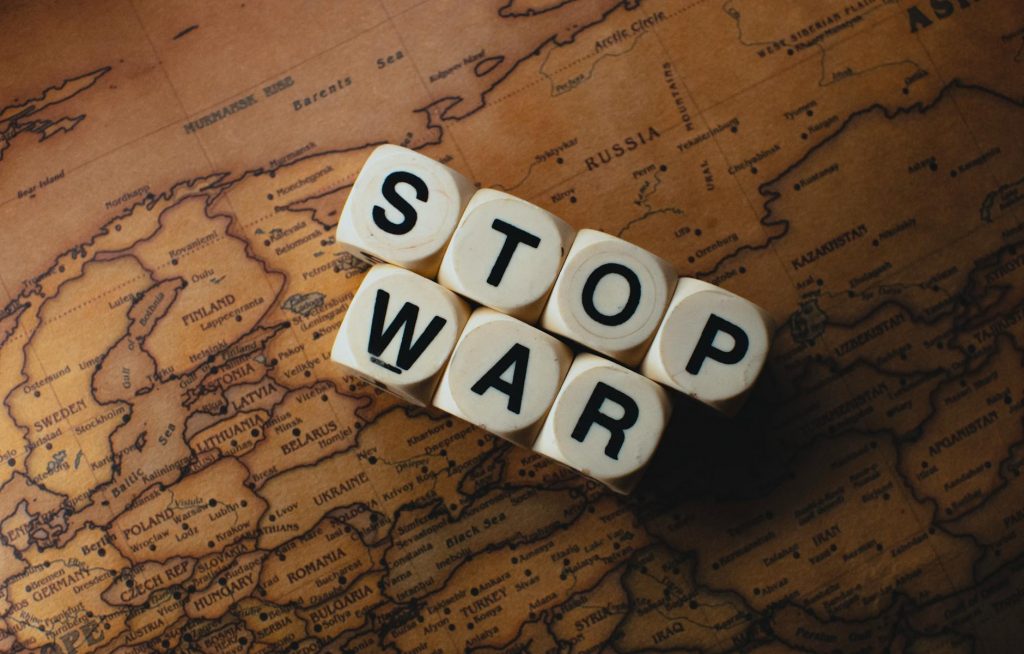
Here’s a question that keeps security experts up at night: if a global conflict broke out tomorrow, how would we even know it’s World War Three and not just another regional crisis?
It sounds strange, but there’s actually no official moment when the world collectively declares “yep, this is it.” Unlike the two World Wars, where declarations came thick and fast, modern conflicts are messier. They don’t come with clear start dates.
The Signs Would Be Unmistakable
If a truly global war started, we’d see some obvious signals. Nuclear-armed nations mobilizing military forces at scale. Major economic powers cutting off trade relationships overnight. Internet blackouts across entire regions. Civilian evacuations from major cities. But here’s the thing — even these signs might not immediately scream “World War.”
Think about it. Countries would be glued to their phones checking news, analyzing satellite images, listening to government statements. Social media would explode with speculation. Stock markets would crash within hours. But the actual moment someone says “World War Three has begun”? That might take days, even weeks of political leaders acknowledging what’s happened.
Why This Matters for India
For Indians, understanding this is crucial. In today’s interconnected world, a conflict between distant powers could affect you directly — through economic collapse, supply chain disruptions, or even military escalation spreading to your region.
India’s position is unique. We’re not part of any military alliance like NATO. We trade with countries on all sides of global tensions. A major conflict would hit our economy hard, disrupt imports of critical goods, and create uncertainty about our own security.
The honest truth? We might realize World War Three has started the same way we realize any major crisis — through a mix of official announcements, desperate news alerts, and watching the world’s economy implode in real-time.
Governments would eventually make formal statements. The UN Security Council would meet. Countries would invoke treaties and alliances. But by then, the damage would already be done. Markets would have crashed. Supply chains would be broken. People would already be panicking.
Most experts believe that a truly global conflict is unlikely in the traditional sense because nuclear weapons make it catastrophic for everyone. But that doesn’t mean regional conflicts won’t escalate dangerously, or that cyberattacks and economic warfare won’t create crisis-like conditions.
The real takeaway? Pay attention to news about major military buildups, sanction announcements, and diplomatic breakdowns. These are the warning signs. Because by the time the world officially agrees that World War Three has started, it might already be too late to prepare for what comes next.