
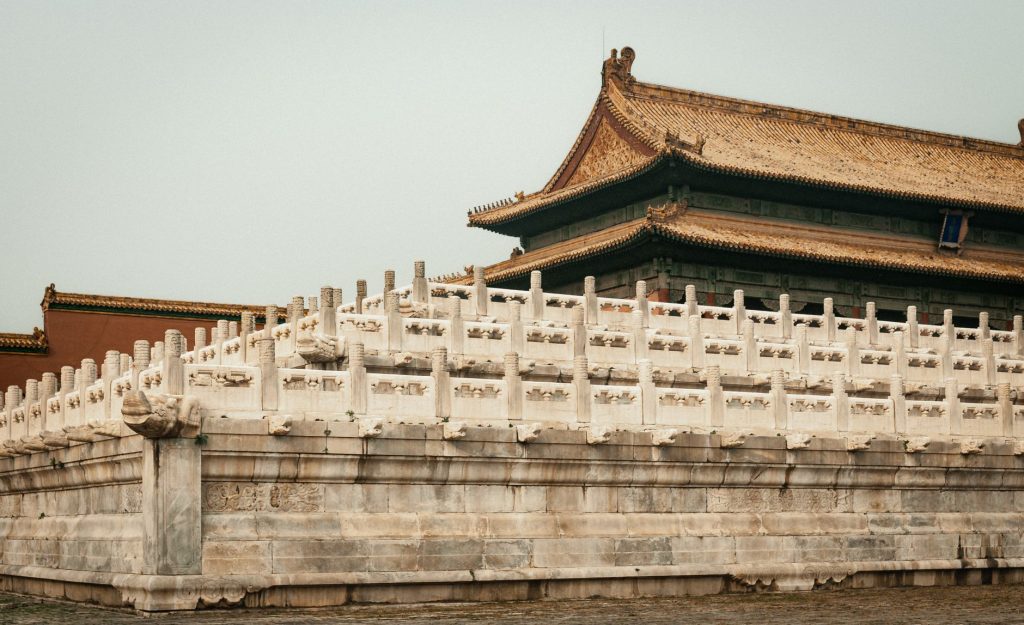
Have you ever wondered if the elaborate feasts of ancient Chinese emperors are still enjoyed today? The answer is a resounding yes! While the grand imperial courts are long gone, the rich culinary traditions they fostered continue to thrive, offering a unique glimpse into China’s historical grandeur through its food.
Imperial cuisine, often referred to as ‘Gongting Cai’ in Mandarin, was not merely about sustenance; it was a meticulously crafted art form. For centuries, these dishes were exclusively prepared for the emperor and his entourage within the Forbidden City. The emphasis was on the finest ingredients, presented with unparalleled artistry, and often imbued with symbolic meanings related to health, longevity, and imperial power. Each meal was a carefully orchestrated event, reflecting the dynasty’s wealth and sophistication.
The Art of Imperial Dining
The preparation of imperial dishes was a complex process involving skilled chefs who followed strict guidelines. Ingredients were sourced from across the vast empire, ensuring the highest quality, from rare bird’s nests to exotic spices. Presentation was paramount – dishes were not just meant to be eaten but admired. Think delicate carvings, vibrant colours, and intricate arrangements that mirrored the beauty of nature or auspicious symbols. The sheer variety of dishes served at imperial banquets could be staggering, with hundreds of options available, though only a select few would be chosen for the emperor’s table.
From Palace to Plate: Modern Echoes
Today, the legacy of imperial cuisine is kept alive by dedicated chefs and restaurants, particularly in regions like Beijing and Shandong, where these traditions have strong roots. While it might not be served on golden platters by eunuchs, the essence of ‘Gongting Cai’ remains. Restaurants specializing in this cuisine focus on recreating the authentic flavours and elaborate presentation, offering diners a chance to experience a taste of history. This revival is crucial not just for preserving culinary heritage but also for understanding the social and cultural nuances of imperial China.
The enduring appeal of imperial cuisine lies in its fusion of history, artistry, and flavour. It serves as a powerful reminder that food is more than just nourishment; it’s a vessel for culture, tradition, and storytelling. For food enthusiasts and history buffs alike, exploring the world of imperial Chinese cuisine offers a delicious journey back in time, connecting us to a magnificent past through the universal language of taste.