
Imagine you’re at a family gathering in a small town in India, where everyone knows each other’s names. Now, imagine a similar scenario but on a global scale, where countries come together to discuss and decide on international issues. This is the United Nations, a platform where 193 countries work together to promote peace, security, and cooperation.
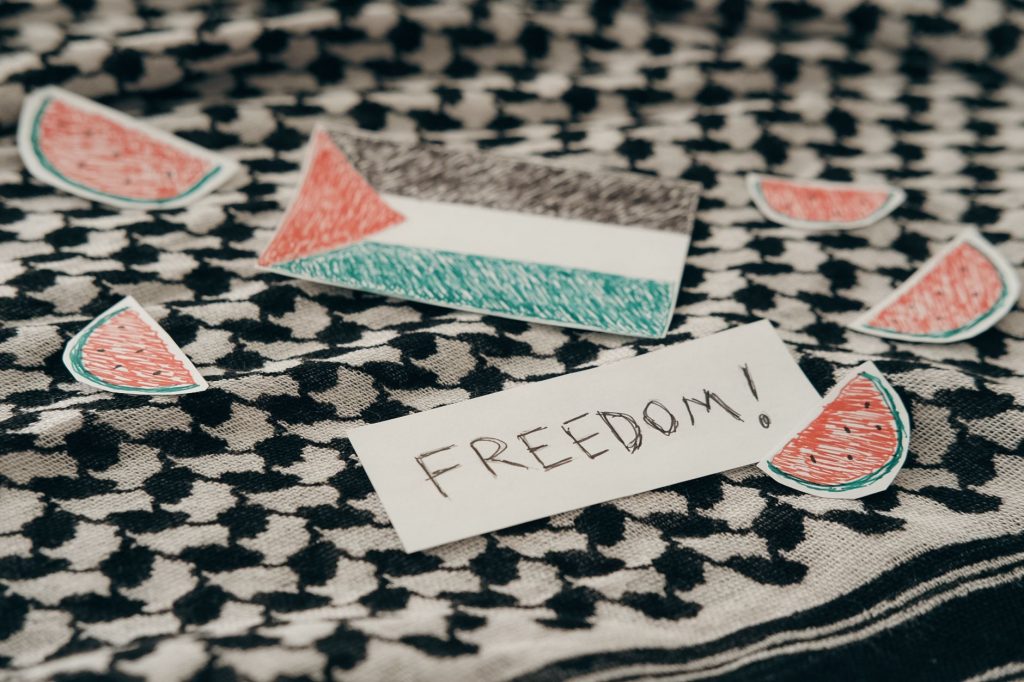
Recently, India made a significant move in this global arena by announcing its support for Palestine’s bid to become a member of the United Nations. This decision has sent shockwaves across the globe, with many wondering what this means for India’s foreign policy.
A Brief History of Palestine’s UN Bid
Palestine, a region in the Middle East, has been a contentious issue for decades. In 2012, the Palestinian Authority submitted a request to the UN General Assembly to become a non-member observer state. This move was seen as a significant step towards gaining international recognition and eventual statehood. However, this bid was met with opposition from several countries, including the United States, which vetoed a UN Security Council resolution to upgrade Palestine’s status.
Fast forward to 2023, and the Palestinian Authority has made another push for UN membership. This time, India’s support has given a significant boost to their efforts. In a statement, the Ministry of External Affairs (MEA) confirmed that India has expressed its support for Palestine’s bid, citing its long-standing commitment to the Palestinian people and its desire to see a two-state solution to the Israeli-Palestinian conflict.
What Does This Mean for India?
India’s decision to support Palestine’s UN bid has sent mixed signals across the globe. On one hand, it has been seen as a bold move by India to assert its independence in international diplomacy. India has long been a vocal supporter of Palestinian rights and has consistently voted in favor of Palestinian resolutions at the UN. This move is seen as a reflection of India’s commitment to its values of justice, equality, and human rights.
On the other hand, India’s decision has raised eyebrows in some quarters, particularly in the United States. The US has traditionally been a key ally of Israel, and this move may be seen as a sign of India’s growing proximity to the Palestinian cause. This could have implications for India’s relations with the US, which has been a key player in regional politics.
Experts say that India’s decision is not a surprise, given its long-standing commitment to the Palestinian people. ‘India has always been a strong supporter of Palestinian rights, and this move is a continuation of that policy,’ said Dr. Raza Ahmad, a leading expert on Indian foreign policy. ‘However, this move also reflects India’s desire to assert its independence in international diplomacy and to play a more proactive role in regional politics.’
Expert Context: What’s Next for Palestine?
Palestine’s bid for UN membership is a complex issue that involves several stakeholders, including the Palestinian Authority, Israel, the US, and the international community. While India’s support is a significant boost, it is still unclear whether Palestine will be able to achieve full UN membership.
Dr. Ahmad believes that Palestine’s bid is a ‘long-term strategy’ that involves building international support and pressure on Israel to accept a two-state solution. ‘This move is part of a larger diplomatic effort to isolate Israel and to build international support for the Palestinian cause,’ he said. ‘India’s support is a significant development, but it is still unclear how this will play out in the long run.’
The next few weeks and months will be crucial in determining the outcome of Palestine’s bid. The UN will hold a vote on the matter, and it is unclear how other countries will vote. However, one thing is clear: India’s support has given a significant boost to Palestine’s efforts, and this marks a new chapter in India’s diplomatic relations with the Middle East.
As we look to the future, it is clear that India’s decision has sent a powerful message to the international community. It has asserted India’s commitment to its values and its desire to play a more proactive role in regional politics. Whether this move will yield tangible results for Palestine remains to be seen, but one thing is clear: India’s support has marked a significant milestone in the country’s diplomatic journey.