
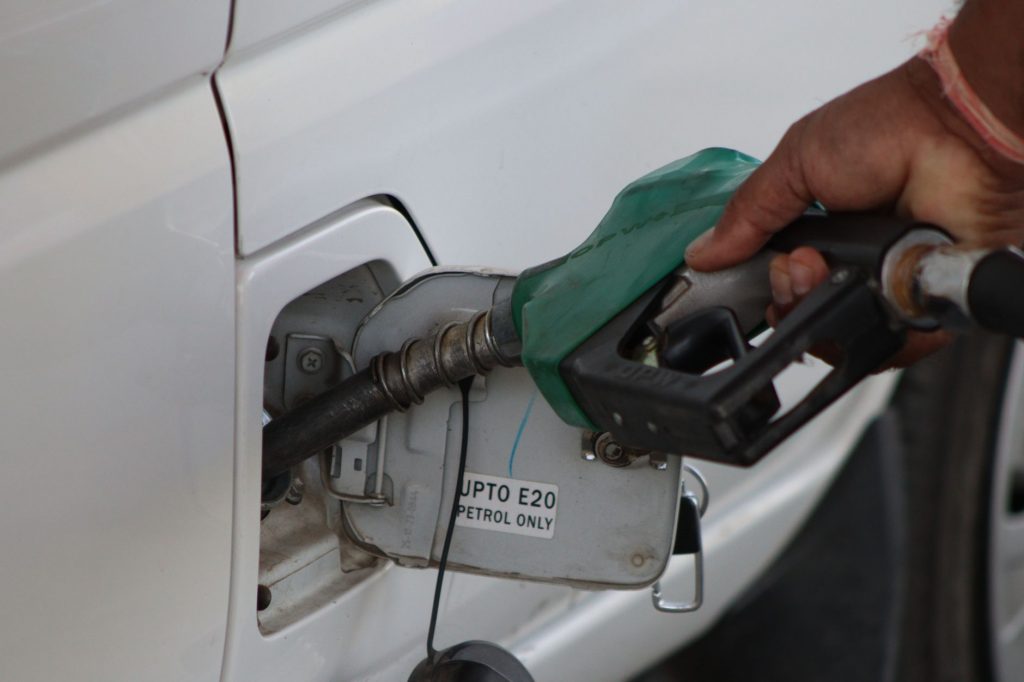
A high-stakes row has broken out between the Indian government and a Bhutanese news outlet over the alleged rejection of E20 petrol at a border checkpost.
The incident occurred on May 20, when a consignment of E20 petrol was turned away by customs officials at the Phuentsholing border checkpost in Bhutan.
What led to the dispute?
The Bhutan Times reported that the consignment of E20 petrol was rejected because it did not meet the country’s fuel standards. However, the Indian government has disputed these claims, stating that the petrol was not rejected but rather held for further examination.
The Indian government has accused the Bhutan Times of making a ‘baseless’ claim that has caused unnecessary panic among Indian exporters.
According to sources, the consignment of E20 petrol was being transported from India to Bhutan when it was stopped at the Phuentsholing checkpost.
Why does this matter?
The rejection of E20 petrol at the border has sparked concerns among Indian exporters who rely on the Bhutanese market.
The E20 petrol is a blend of 20% ethanol and 80% petrol, and its rejection could have significant implications for the Indian government’s efforts to promote the use of biofuels.
The Indian government has been pushing to increase the use of biofuels, particularly ethanol blends, to reduce the country’s dependence on imported crude oil.
What happens next?
The Indian government has summoned the Bhutanese ambassador to clarify the matter and resolve the dispute.
The Bhutanese government has denied any wrongdoing and has stated that the consignment of E20 petrol was held for technical reasons.
The dispute highlights the complexities of trade relations between India and Bhutan and the need for greater coordination between the two countries to resolve such issues.
As the row continues to simmer, Indian exporters are bracing for the impact on their business. The incident is a reminder of the challenges faced by Indian exporters in navigating the complexities of international trade.
The Indian government has vowed to take all necessary steps to protect the interests of Indian exporters and to resolve the dispute amicably.
The outcome of the dispute will have significant implications for the Indian government’s plans to promote the use of biofuels and for the Indian economy as a whole.
The row between India and Bhutan is a testament to the complexities of international trade and the need for greater cooperation between countries to resolve such issues.
The incident highlights the importance of clear communication and transparency in trade relations between countries.