
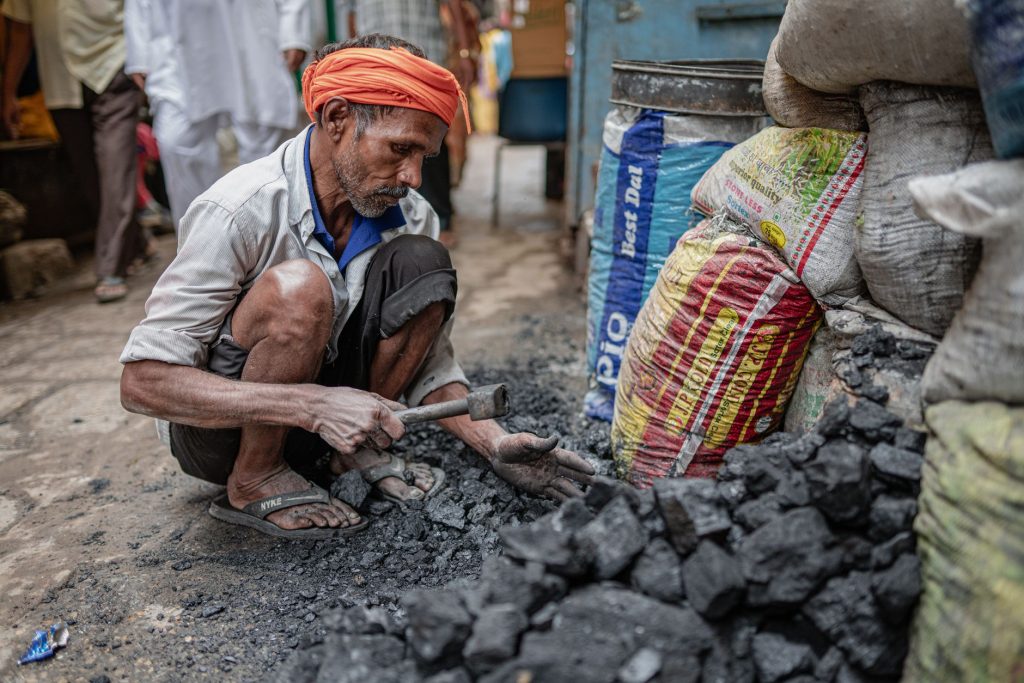
Are we heading back to the dark ages of coal? The answer isn’t straightforward, but one thing is clear – India is playing a significant role in the worldwide increase in planned coal production. The country, already the world’s third-largest coal consumer, has seen a surge in coal mining projects over the past few years. In fact, between 2020 and 2022, India’s coal production has risen by over 20%, outpacing the global average.
This sudden spurt in coal production is partly due to the government’s efforts to boost the country’s economic growth. By investing in coal mining and increasing production, the government aims to reduce India’s reliance on imports and create more jobs in the sector. However, environmentalists and health experts are sounding the alarm, highlighting the risks associated with coal mining and its impact on public health.
The Rise of Coal in India
India’s love affair with coal dates back to the 19th century when the country was a major coal producer. However, with the rise of renewable energy sources in recent years, coal’s popularity has waned. But the government’s pro-coal stance has led to a resurgence in coal mining. In fact, the country’s coal production has grown by over 10% in the past year alone.
The increase in coal production is driven by a combination of factors, including the government’s policies, investments in infrastructure, and growing demand from power plants and industries. The government has also been actively promoting coal mining through various initiatives, such as tax breaks and subsidies for miners. As a result, many private companies are now investing heavily in coal mining projects, further driving up production.
The Environmental Concerns
However, the surge in coal production has raised concerns about the environment. Coal mining is a dirty business, and the process of extracting coal can have devastating effects on the ecosystem. The release of methane and other greenhouse gases during coal mining contributes to climate change, while the mining process can also lead to soil erosion and water pollution.
Furthermore, coal-fired power plants, which account for the majority of India’s electricity generation, are a significant contributor to air pollution. The particulate matter and other pollutants released by these plants can cause respiratory problems and other health issues, particularly in urban areas. In fact, a recent study found that air pollution in Indian cities is responsible for over 1 million premature deaths every year.
The Way Forward
So, what’s next for India’s coal industry? The government has set ambitious targets to increase coal production and reduce imports. However, experts warn that the country’s reliance on coal is unsustainable and will only exacerbate the environmental crisis. Instead, they recommend a shift towards renewable energy sources, such as solar and wind power, which are cleaner and more sustainable.
As India continues to grapple with the complexities of coal production, one thing is clear – the country needs to find a balance between economic growth and environmental protection. By investing in renewable energy and reducing its reliance on coal, India can create a cleaner, healthier future for its citizens and contribute to a more sustainable world.