
Imagine waking up to a surprise visit from your neighbor, only to find them claiming ownership of your home. Sounds absurd, right? But that’s exactly what’s been happening on the India-China border.
For years, China has been trying to claim parts of Arunachal Pradesh, a state in northeastern India. But India won’t take it lying down. In a bold move, the government has officially mapped 27 places in Arunachal Pradesh, using their own names and geographical coordinates.
This move is a clear rebuke to China’s claims, which have been a point of contention between the two nations for decades. By mapping these places, India is essentially saying, ‘We know these are our territories, and we’re not going to let anyone take them away.’
Arunachal Pradesh: The Heart of India’s Northeast
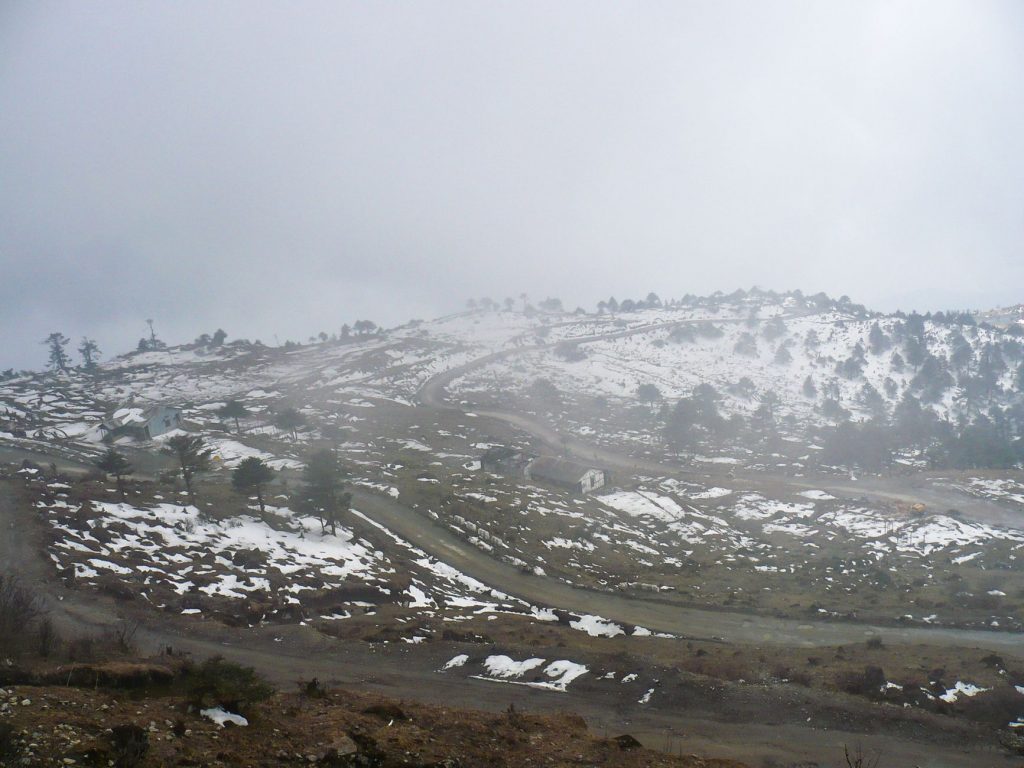
Arunachal Pradesh is a state like no other. Located in the northeastern corner of India, it shares a border with China, Bhutan, Myanmar, and Tibet. The state is home to some of the most breathtaking natural beauty in the country, with towering mountains, pristine rivers, and lush forests.
But Arunachal Pradesh is more than just a picturesque destination. It’s also a sensitive geopolitical hotspot, where India’s sovereignty is constantly being tested. In the past, China has made several attempts to claim parts of the state, but India has always stood firm.
Now, with the mapping of 27 places in Arunachal Pradesh, India is sending a strong message to China: we will not back down. The move is seen as a strategic one, aimed at bolstering India’s claims to the disputed territories.
The Significance of Official Mapping
So, what’s the big deal about mapping these places? It may seem like a simple administrative task, but it’s actually a complex process that involves a lot of research and verification.
By officially mapping these places, India is essentially putting its stamp of approval on their ownership. It’s a way of saying, ‘We know these are our territories, and we’re not going to let anyone take them away.’
The significance of this move can’t be overstated. It’s a clear message to China that India is not willing to compromise on its sovereignty. It’s also a shot across the bow for any other nation that might try to make similar claims.
What’s Next for India-China Relations?
So, what happens next? Will China take India’s mapping exercise as a challenge, or will it try to find a way to diffuse the situation?
Only time will tell. But one thing is certain: India’s move has sent a strong message to China and the world at large. India will not back down on its sovereignty, and it’s willing to take bold steps to protect its territorial integrity.
As India continues to navigate the complex world of geopolitics, one thing is clear: its sovereignty will not be compromised. The mapping of 27 places in Arunachal Pradesh is just the beginning of a new chapter in India-China relations. And only time will tell how it will all play out.