
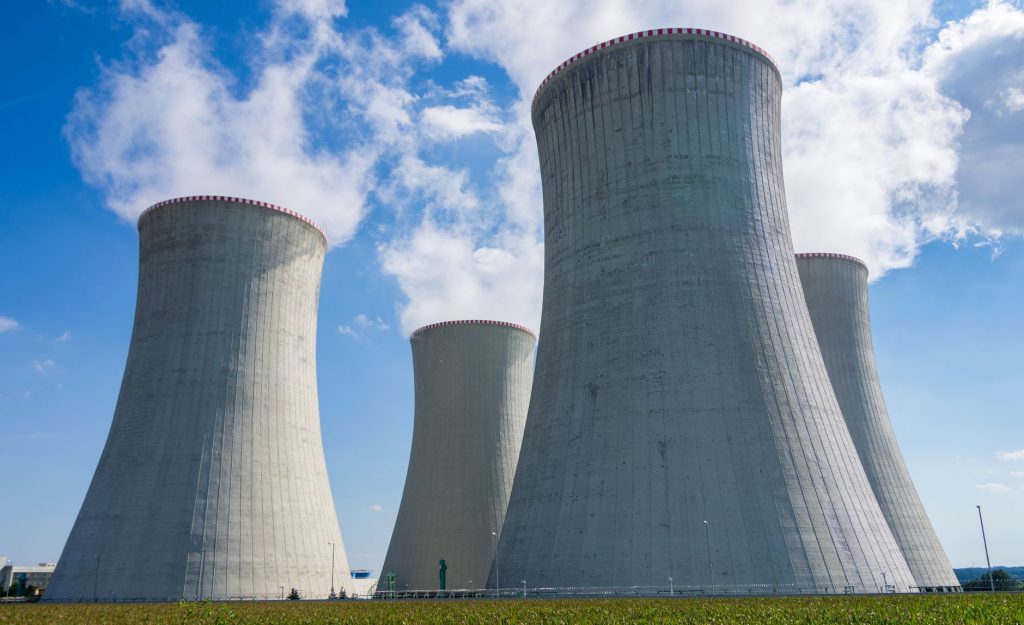
Are we finally on the cusp of a hydrogen economy in India?
After years of research and development, the answer is a resounding yes. On [Date], the Department of Atomic Energy (DAE) announced the commissioning of the world’s first nuclear process heat-based hydrogen production facility in the state of Tamil Nadu.
The facility, a result of a collaborative effort between the DAE, the Indian Institute of Technology (IIT) Madras, and the Nuclear Power Corporation of India Limited (NPCIL), uses excess heat from a nuclear reactor to produce hydrogen through a process called steam methane reforming.
According to experts, the new facility has the potential to produce up to 100 metric tons of hydrogen per year, which can be used as a clean fuel for transportation, power generation, and industrial processes.
The significance of this achievement cannot be overstated. India is one of the world’s largest consumers of energy, and its energy demands are expected to grow exponentially in the coming years. The commissioning of this facility marks a significant step towards reducing India’s dependence on fossil fuels and achieving its goal of becoming a carbon-neutral economy by 2070.
How Does It Work?
The nuclear process heat-based hydrogen production facility uses a novel approach to produce hydrogen. The process involves the use of excess heat from a nuclear reactor to generate steam, which is then used to split methane into hydrogen and carbon dioxide.
The hydrogen produced through this process is then further purified and stored for use in various applications. The facility has the potential to produce hydrogen at a cost that is competitive with fossil fuels, making it an attractive option for industries and transportation sectors.
The use of nuclear process heat to produce hydrogen is a game-changer in the field of clean energy. It offers a promising solution to the world’s growing energy demands while reducing greenhouse gas emissions and mitigating climate change.
What’s Next?
The commissioning of the nuclear process heat-based hydrogen production facility is a significant milestone in India’s journey towards a clean energy future.
As the facility begins commercial operations, it is expected to pave the way for the development of a hydrogen economy in India.
The government has announced plans to set up several more such facilities across the country, with the aim of producing 1,000 metric tons of hydrogen per year by 2025.
While there are challenges ahead, the commissioning of this facility is a testament to India’s commitment to clean energy and its determination to reduce its carbon footprint.
The future of energy production in India is looking bright, and the world is watching with interest as the country takes giant leaps towards a cleaner, greener future.
Why Does It Matter?
The commissioning of the nuclear process heat-based hydrogen production facility is a significant development in the field of clean energy.
It marks a major step towards reducing India’s dependence on fossil fuels and achieving its goal of becoming a carbon-neutral economy by 2070.
The facility has the potential to produce hydrogen at a cost that is competitive with fossil fuels, making it an attractive option for industries and transportation sectors.
As the world grapples with the challenges of climate change, the commissioning of this facility serves as a beacon of hope for a cleaner, greener future.
India’s commitment to clean energy is a shining example for the world, and the commissioning of this facility is a testament to the country’s determination to reduce its carbon footprint.
The future of energy production in India is looking bright, and the world is watching with interest as the country takes giant leaps towards a cleaner, greener future.