
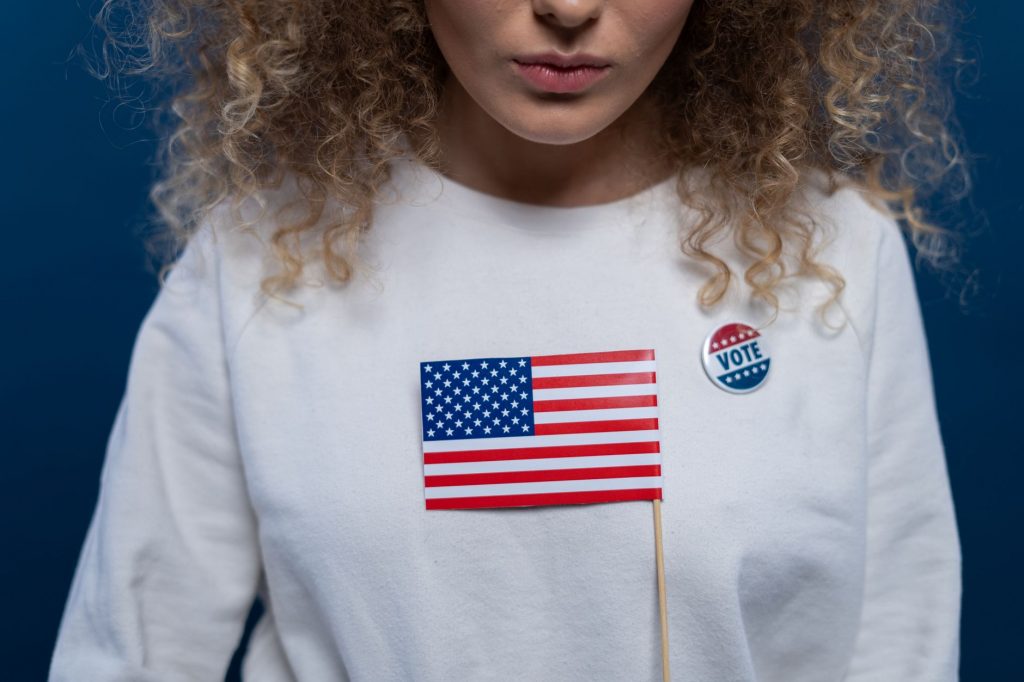
In a significant shift observed during the recent US midterm elections, a notable portion of the Indian-American community has shown a discernible inclination towards supporting Democratic candidates. This trend, while not a monolithic movement, suggests a nuanced evolution in the political allegiances of this influential diaspora group, moving away from a previously perceived neutrality or leaning towards Republican figures in some instances.
Shifting Sands of Political Allegiance
The Indian-American electorate, a rapidly growing and increasingly influential bloc in American politics, appears to be recalibrating its political compass. While specific exit poll data is still being analyzed, anecdotal evidence and preliminary reports from various constituencies indicate a stronger engagement with and vote share for Democratic contenders. This development is particularly noteworthy given the community’s diverse economic and social backgrounds, often characterized by high educational attainment and entrepreneurial spirit. Factors such as social justice issues, climate change policies, and healthcare access seem to be resonating more deeply with a segment of this population, aligning them with the Democratic platform.
Why This Matters for India and the Diaspora
This evolving political landscape within the Indian-American community holds significant implications for both the United States and India. A more engaged and Democrat-leaning diaspora could translate into increased advocacy for issues pertinent to India, such as immigration policies, trade relations, and strategic partnerships. Furthermore, it signals a growing integration and participation in American civic life, where community concerns are increasingly being voiced through the ballot box. Understanding these shifts is crucial for policymakers in both nations as they navigate bilateral relations and for the diaspora itself, as it shapes its future influence in American governance.
Looking Ahead: Future Political Trajectories
The observed leanings towards Democratic candidates in the midterms are likely to set a precedent for future elections, including the upcoming presidential polls. This trend underscores the dynamic nature of ethnic voting blocs and their capacity to influence electoral outcomes. As the Indian-American community continues to grow and diversify, its political engagement will undoubtedly remain a focal point for political strategists and observers alike. The coming months will be crucial in understanding whether this shift is a sustained phenomenon or a response to specific electoral circumstances, and how it will shape the broader narrative of the diaspora’s political journey in America.