
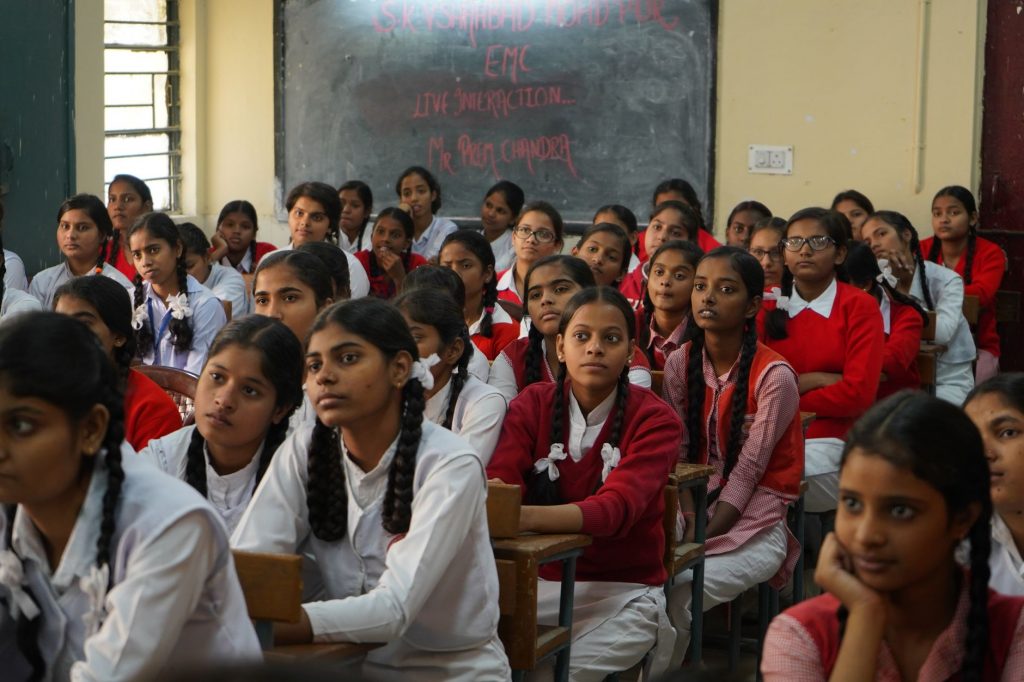
In a worrying trend, the number of government elementary schools in India has witnessed a massive decline of over 10,000 schools in the last year. This alarming drop has sparked concerns among educationists and policymakers, who are now grappling with the challenge of providing quality education to millions of students.
The statistics paint a grim picture. According to the latest data available, the country is losing its elementary schools at an unprecedented rate. As a result, many rural and semi-urban areas are now facing a severe shortage of schools, leaving students without access to basic education.
Reasons Behind the Decline
The decline of government elementary schools can be attributed to several factors. One major reason is the lack of infrastructure and resources in many schools. Many schools lack basic facilities such as classrooms, toilets, and drinking water. The absence of qualified teachers and outdated curriculum is another significant factor contributing to the decline.
Another significant reason behind the decline is the increasing preference of parents for private schools. With the growing middle-class population, parents are now opting for private schools, which offer better amenities and a more modern curriculum. This trend has led to a significant shift in the enrollment patterns, with many students opting out of government schools and seeking admission in private institutions.
Consequences of the Decline
The decline of government elementary schools has severe consequences for the country’s education system. Firstly, it leads to a significant shortage of schools in rural and semi-urban areas, affecting the education of millions of students. Secondly, it puts a strain on the existing infrastructure, leading to overcrowding and poor learning conditions in many schools.
Furthermore, the decline of government elementary schools hampers the country’s efforts to promote quality education. With millions of students lacking access to basic education, the country’s future is at stake. The decline of government elementary schools is a wake-up call for policymakers, who need to take immediate action to address the issue.
What’s Next?
So, what’s next? The government needs to take immediate action to address the issue of crumbling infrastructure and lack of resources in many schools. They need to invest in modernizing the existing infrastructure, providing quality teaching and learning materials, and recruiting qualified teachers. Additionally, they need to focus on promoting quality education in rural and semi-urban areas, where the shortage of schools is most pronounced.
The government also needs to rethink its education policy, making it more inclusive and equitable. They need to ensure that every child has access to quality education, regardless of their socio-economic background. The time to act is now, and the government must rise to the challenge of providing quality education to millions of students.
The decline of government elementary schools is a serious issue that requires immediate attention. It’s a wake-up call for policymakers, who need to take drastic measures to address the crisis. The time to act is now, and the government must take bold steps to ensure that every child has access to quality education.
The consequences of inaction will be severe, and the country will pay a heavy price for its complacency. The government must rise to the challenge and make quality education a priority. Only then can we ensure a bright future for our children and a prosperous future for our nation.
As the country grapples with the challenge of providing quality education, one thing is clear – the time to act is now. The government must take immediate action to address the crisis and ensure that every child has access to quality education.