
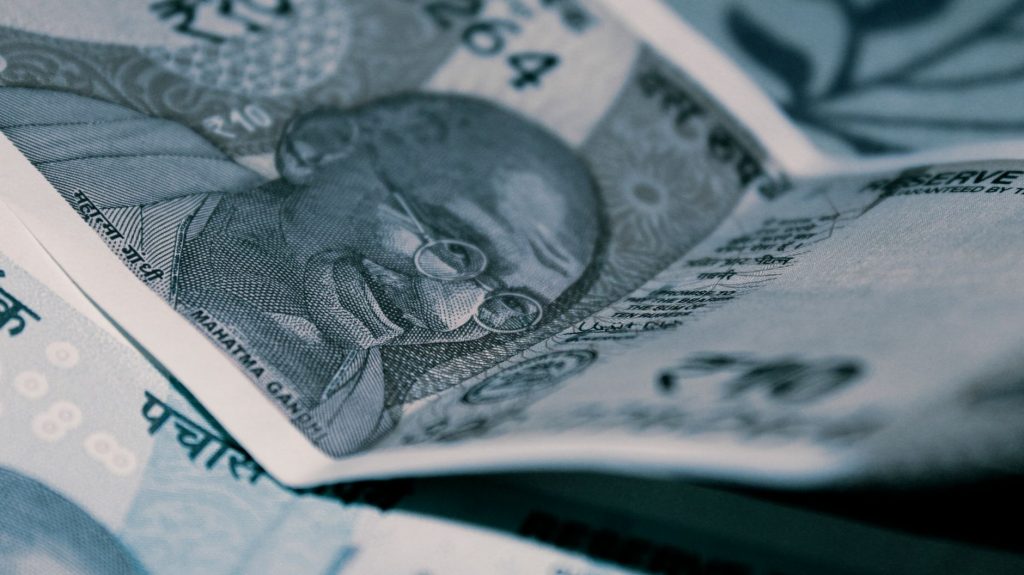
Do India’s cash transfer schemes actually help the poor, or do they strain the country’s finances?
India’s government has rolled out several cash transfer initiatives in recent years, aimed at providing financial assistance to the most vulnerable sections of society. But are these schemes achieving their intended goals, or are they simply adding to the country’s fiscal burden?
At the heart of India’s cash transfer boom is the Pradhan Mantri Jan-Dhan Yojana (PMJDY) launched in 2014. This flagship scheme aims to provide every household with a bank account, and has so far achieved remarkable success, with over 400 million accounts opened across the country. The scheme has also led to a significant increase in financial inclusion, with more people now having access to banking services than ever before.
Strains on the Budget
However, the rising costs of cash transfer schemes have raised concerns about the sustainability of India’s finances. The government has been struggling to contain the fiscal deficit, and the cash transfer schemes have added to the burden. In 2020-21, the government spent over ₹1.7 lakh crore on cash transfers, which is a significant increase from the ₹1.3 lakh crore spent in 2019-20. This has led to accusations that the government is using cash transfer schemes as a means of buying votes, rather than addressing the underlying issues of poverty and inequality.
Another issue with cash transfer schemes is the lack of transparency and accountability. The government has been criticized for not providing adequate information about the distribution of cash transfers, making it difficult to track the effectiveness of these schemes. Furthermore, there have been instances of cash transfers being diverted or misused, which has eroded trust in the system.
In addition, cash transfer schemes have also been criticized for creating dependency among beneficiaries. Many experts argue that these schemes reinforce a culture of handouts, rather than encouraging people to take charge of their own financial lives. This can have long-term consequences, as people become reliant on government support rather than developing skills and entrepreneurial spirit.
Despite these challenges, the government remains committed to cash transfer schemes, arguing that they have helped to alleviate poverty and improve living standards. However, the debate continues, with many experts calling for a more nuanced approach that combines cash transfers with other forms of support, such as vocational training and microfinance.
A More Nuanced Approach
One possible solution is to adopt a more targeted approach to cash transfers, focusing on the most vulnerable sections of society. For instance, the government could provide additional support to families living below the poverty line, or those affected by natural disasters. This would help to ensure that cash transfers are reaching those who need them most, rather than being distributed broadly.
Another approach is to combine cash transfers with other forms of support, such as vocational training and microfinance. This would enable people to develop skills and entrepreneurial spirit, rather than simply relying on government handouts. For example, the government could provide training and mentorship programs for young people, or offer microloans to entrepreneurs starting their own businesses.
In conclusion, India’s cash transfer boom has brought relief to many, but it has also strained the country’s finances. As the government continues to grapple with the challenges of poverty and inequality, it’s essential to adopt a more nuanced approach that combines cash transfers with other forms of support. By doing so, India can create a more sustainable and equitable system that benefits all citizens, rather than just a select few.
What’s Next?
As India’s cash transfer schemes continue to evolve, it’s essential to monitor their effectiveness and adapt to changing circumstances. The government will need to balance the need to provide financial assistance with the need to maintain fiscal discipline. This will require careful planning, coordination, and communication with stakeholders. By taking a more targeted and nuanced approach, India can ensure that its cash transfer schemes are truly making a difference in the lives of its citizens.