
Are exotic pets a status symbol in India?
For some, they are a symbol of wealth and status, but the reality is far from glamorous. India’s exotic pet trade has been making headlines recently, thanks to a viral video featuring actor Vikram with a pet gibbon. But this is just the tip of the iceberg.
The exotic pet trade in India is a multi-million dollar industry, with many individuals and companies making a fortune by importing and selling exotic animals. From monkeys and birds to reptiles and big cats, the variety of animals available is staggering. But with great demand comes great danger, and the consequences of India’s exotic pet trade are far-reaching.
The Dark Side of Exotic Pets
Many exotic animals are captured from the wild, often using cruel methods that harm both the animals and their habitats. For example, monkeys are sometimes caught using nets or snares, which can cause them severe injuries. Birds are often caught in traps or shot out of the sky, leaving them with broken wings or other injuries. Reptiles are frequently poached from their natural habitats, leading to a decline in their populations. And big cats, like tigers and lions, are often bred in captivity for the pet trade, which can lead to inbreeding and other health problems.
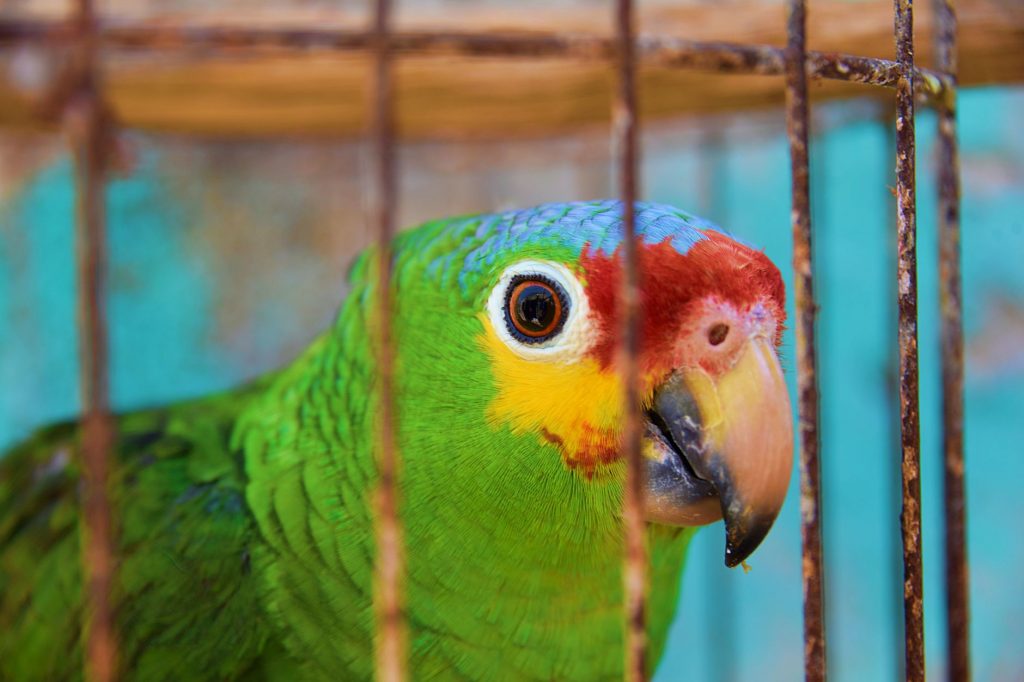
But even if exotic animals are not taken from the wild, they often face a life of cruelty and neglect in captivity. Many exotic pets are kept in small cages or enclosures, which can be detrimental to their physical and mental health. They may also be subjected to poor living conditions, inadequate food and water, and a lack of veterinary care. In some cases, exotic pets are even used for entertainment purposes, such as in circuses or as performing animals.
So why do people keep exotic pets in India? For some, it’s a status symbol, as I mentioned earlier. For others, it’s a way to show off their wealth and power. But for many, it’s simply a lack of understanding about the consequences of exotic pet ownership.
The Law and the Loopholes
The Indian government has laws in place to regulate the exotic pet trade, but they are often poorly enforced. The Wildlife Protection Act of 1972, for example, prohibits the capture, sale, and trade of wild animals, but there are many loopholes and exceptions that allow exotic animals to be imported and sold. Additionally, many exotic pets are not registered with the authorities, making it difficult to track their origins and ownership.
The Central Zoo Authority, which is responsible for regulating zoos and wildlife parks in India, has also been criticized for its lax enforcement of laws. In some cases, zoos and wildlife parks have been caught keeping exotic animals in inhumane conditions, or even selling them to private owners. And while the Indian government has announced plans to crack down on the exotic pet trade, it’s unclear whether these measures will be enough to address the problem.
So what can be done to address India’s exotic pet trade? For one, education and awareness are key. Many people are unaware of the consequences of exotic pet ownership, and educating them about the risks and challenges involved could help reduce demand. Additionally, stronger laws and better enforcement are needed to regulate the industry and protect both humans and animals.
The Future of Exotic Pets in India
As India’s exotic pet trade continues to grow, it’s essential that we take action to address the problems it poses. By educating ourselves and others about the consequences of exotic pet ownership, and by demanding stronger laws and better enforcement, we can work towards a future where exotic pets are no longer a status symbol, but a relic of the past. The well-being of both humans and animals depends on it.
In the meantime, it’s up to all of us to make a difference. By spreading awareness and supporting organizations that work to protect animals and the environment, we can help create a better future for all.