
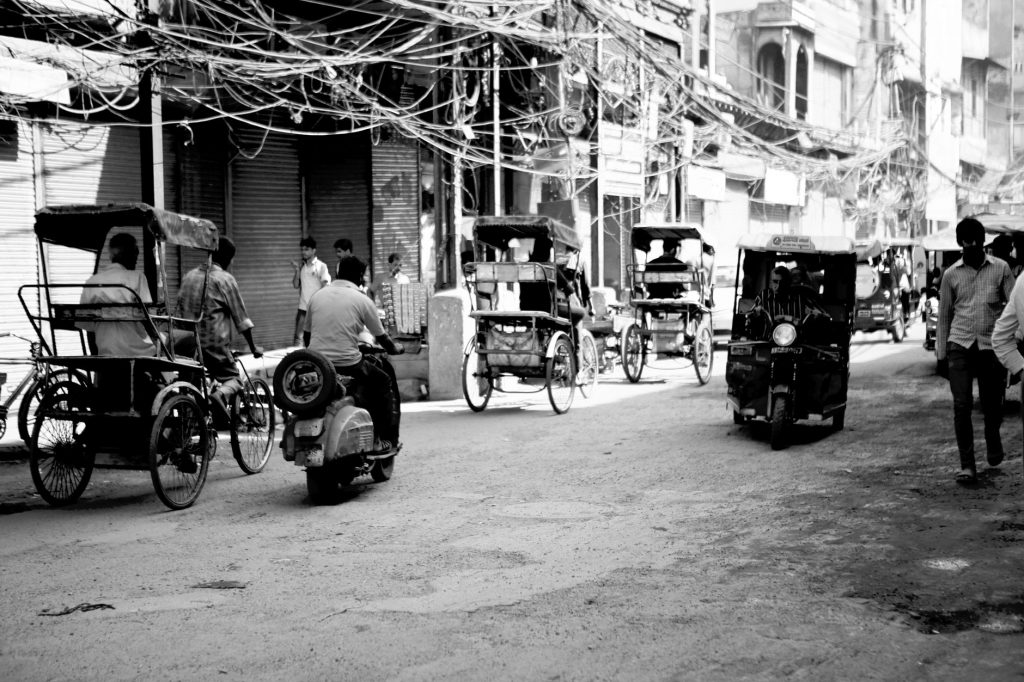
India is home to over 1.3 billion people, a staggering number of whom walk every day. But despite this, the country’s cities have all but forgotten the humble pedestrian. The recent statement by the Supreme Court, highlighting the need for pedestrian-friendly infrastructure, has come as a wake-up call for urban planners and policymakers.
The court’s observation is not unfounded. Indian cities are notorious for their poor pedestrian infrastructure, with narrow sidewalks, uneven roads, and a general disregard for the safety of walkers. The consequences are dire: thousands of pedestrians are maimed or killed every year in accidents involving vehicles.
India’s Walking Culture
But India’s disinterest in pedestrian infrastructure is not just a recent development. The country’s walking culture has been eroded over the years, as more and more people turn to motorcycles and cars for transportation. The increasing popularity of e-commerce and food delivery services has only added to the problem, with couriers and delivery personnel often seen walking on roads and sidewalks.
So, what led to this neglect of the pedestrian? One reason is the sheer scale of India’s urbanization. Cities like Delhi, Mumbai, and Bengaluru are growing at an unprecedented rate, with new buildings and roads sprouting up overnight. In the rush to build and develop, pedestrian infrastructure has often taken a backseat.
The Human Cost
The consequences of neglecting pedestrian infrastructure are not just limited to accidents and injuries. The lack of walkable spaces also has a profound impact on public health, with Indians increasingly suffering from lifestyle diseases like diabetes and heart disease. A study by the World Health Organization found that Indians spend a staggering 80% of their daily energy expenditure on walking, making it a crucial aspect of their overall health.
The human cost of India’s forgotten pedestrians is also reflected in the country’s mental health statistics. With the constant noise, chaos, and stress of urban life, many Indians are struggling to cope with the pressures of modern living. The lack of peaceful, walkable spaces has only added to the problem, with anxiety and depression rates soaring in recent years.
A New Era for Pedestrians?
So, what does the Supreme Court’s statement mean for India’s pedestrians? For one, it’s a recognition that the country’s urban planning policies have failed to prioritize the needs of walkers. The court’s observation is a wake-up call for policymakers to rethink their approach to urban development, with a focus on creating cities that are safe, accessible, and enjoyable for all.
The court’s statement also has implications for the way Indians live and interact with their cities. With the rise of mobility services and e-commerce, the demand for pedestrian-friendly infrastructure is likely to grow. This could lead to a new era of walkable cities, with safe and accessible spaces for pedestrians of all ages and abilities.
But for now, the challenges ahead are significant. India’s cities will need to undergo a radical transformation, with a focus on creating pedestrian-friendly infrastructure that prioritizes the needs of walkers. Only then can we create cities that are truly livable, sustainable, and enjoyable for all.