
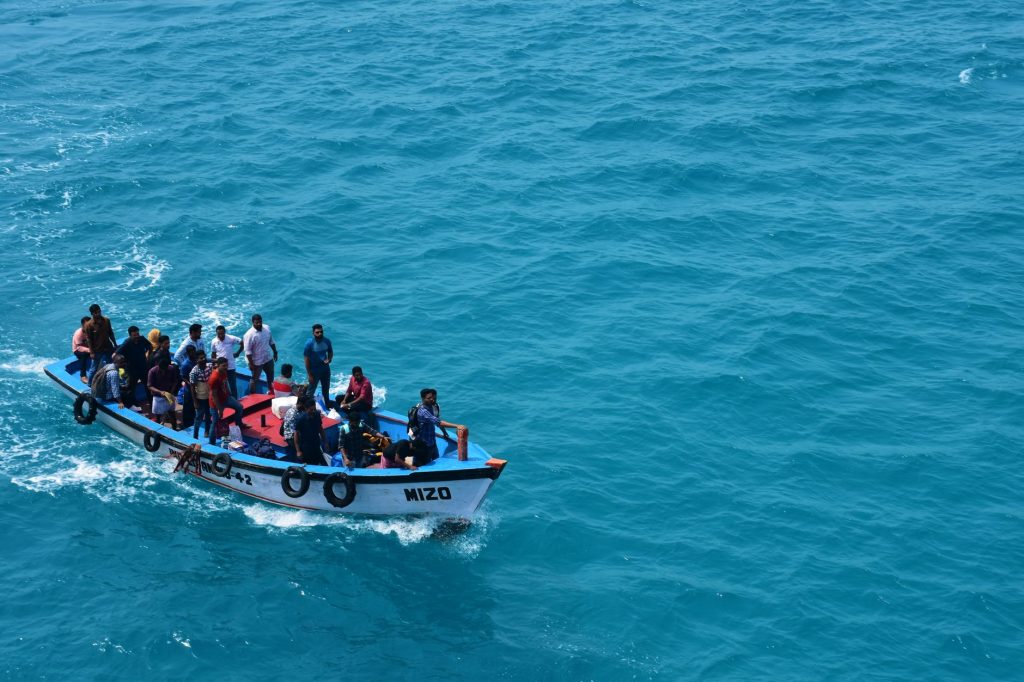
Are Indian seafarers the backbone of the country’s maritime growth? The answer is a resounding yes, according to Sarbananda Sonowal, a key figure in India’s maritime sector.
Sonowal, a former Union Minister, made this observation during a recent interaction with industry experts and stakeholders. He highlighted the crucial role that seafarers play in India’s maritime growth, which is expected to touch $5 trillion by 2050.
India’s Maritime Ambitions
India’s maritime ambitions are well-documented. The country aims to become a major player in the global maritime trade, with a focus on promoting its shipping and shipbuilding industries. To achieve this goal, the Indian government has been actively working to create a conducive environment for the maritime sector to grow.
This includes initiatives such as the Sagarmala Programme, which is a comprehensive plan to develop India’s coastal regions and improve its port infrastructure. The programme aims to create jobs, stimulate economic growth, and increase India’s competitiveness in the global maritime trade.
However, Sonowal believes that seafarers are the unsung heroes of India’s maritime growth. They are the ones who navigate through treacherous waters, braving harsh weather conditions and ensuring the safe transportation of goods across the globe.
The Challenges Faced by Seafarers
Despite their crucial role, seafarers face numerous challenges. One of the biggest challenges is the lack of skilled manpower in the industry. With the growth of the maritime sector, there is an acute shortage of skilled workers, including sailors, engineers, and other technical personnel.
Another challenge faced by seafarers is the issue of job security. With the rise of automation and digitalization in the maritime sector, there are concerns that jobs may be lost to machines. This has led to a sense of uncertainty among seafarers, who are worried about their future in the industry.
Additionally, seafarers also face the challenge of maintaining their skills and competencies in a rapidly changing industry. The maritime sector is becoming increasingly complex, with new technologies and regulations emerging all the time. Seafarers need to stay up-to-date with the latest developments in order to remain relevant in the industry.
The Way Forward
So, what does the future hold for seafarers in India? Sonowal believes that the government, industry, and other stakeholders need to work together to address the challenges faced by seafarers.
This can be achieved through a range of initiatives, including training and upskilling programmes, job security measures, and support for seafarers’ welfare. By working together, we can ensure that seafarers continue to play a vital role in India’s maritime growth.
As India looks to become a major player in the global maritime trade, it is essential that we recognize the importance of seafarers in our maritime growth story. By doing so, we can create a bright future for seafarers and ensure that they continue to be the backbone of India’s maritime sector.
So, what happens next? The Indian government has announced plans to launch a new skill development programme for seafarers, which will provide training and upskilling opportunities in areas such as navigation, engineering, and ship management.
The programme is expected to benefit thousands of seafarers, who will be equipped with the skills and competencies needed to succeed in a rapidly changing industry.
By investing in seafarers, India can ensure that they continue to play a vital role in its maritime growth story. This will not only benefit the industry but also create a bright future for seafarers and their families.